
















Vacation in India: 8 facts worth knowing in advance
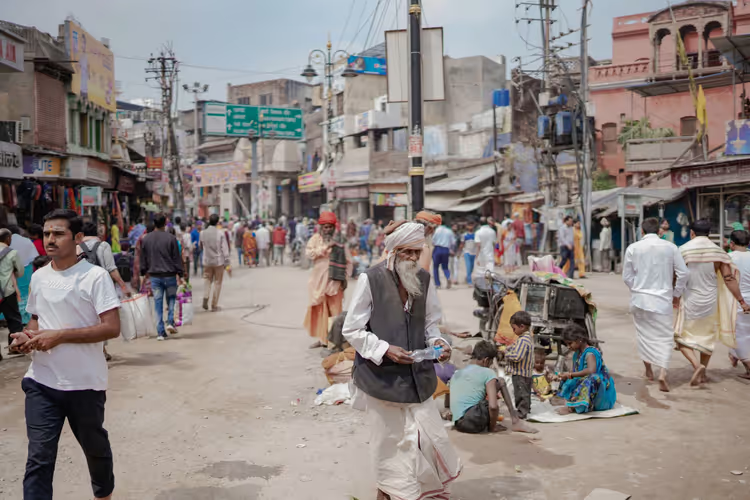
India scares some people and keeps pulling others back. In a single trip you will see only a small part of this country, so it is important to pick a region and a season right away.
A tourist visa is issued online, without visiting a consulate. You submit the application in advance on the official portal, check the status there, and print the permit (verified on 09/14/2026 on the official e-Visa portal).
Below are the key facts about traveling in India. They will help you understand when to go, where to stay, and what to keep in mind so the trip does not disappoint.
1. When to go and where: India's resort regions
💡 In short:
- Choose the dry season if you want beaches, calm seas, and sightseeing without rain.
- Split your route by interest: Goa for beaches, Kerala for Ayurveda, Shimla for the mountains.
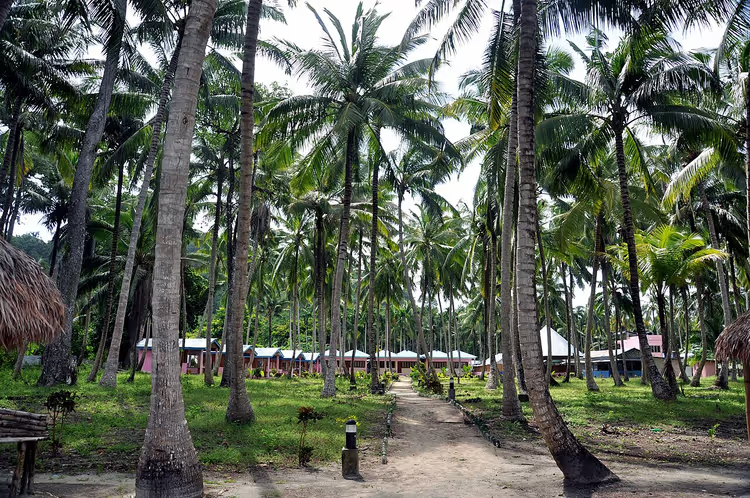
Beach season in India coincides with the dry winter, roughly from November to March. During this time the sea is calm, the air is dry, and the heat is easier to handle. From June to September the monsoon reaches the coast: it becomes humid, stuffy, and windy.
Resort regions differ in character. Goa wins you over with golden beaches and nightlife, Kerala draws you in with backwaters and Ayurveda, and mountain Shimla suits those who are tired of the heat. The choice depends on what you expect from your vacation.
 © Biswajit Majumdar · CC BY-SAPhoto: Biswajit Majumdar, CC BY-SA (https://creativecommons.org/licenses/by-sa/3.0), Wikimedia Commons
Region | Known for | Who it's for |
|---|---|---|
Goa | Golden beaches, nightlife | Those who want the sea and parties |
Kerala | Backwaters, Ayurveda, greenery | Those looking for calm and wellness |
Shimla | Mountain climate, the Himalayas | Those tired of the heat |
If you only need a beach next to your hotel, go for Goa. For quiet and a mild climate, choose Kerala or mountain Shimla.
2. Goa: north versus south
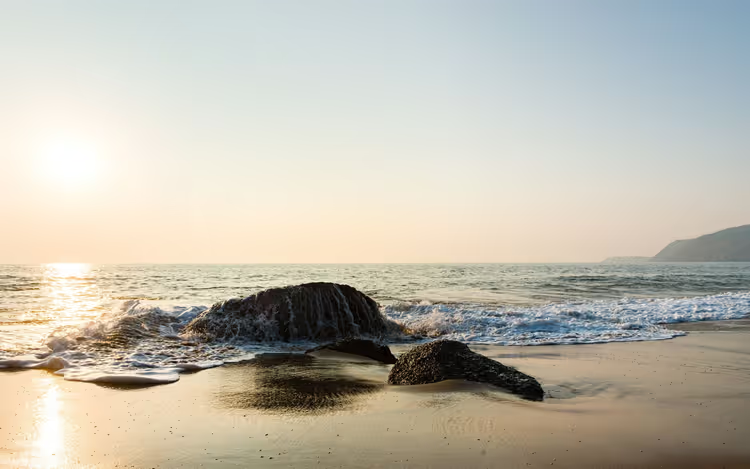
Goa remains India's main beach destination. The coast here is divided into two parts, and the choice depends on your mood.
The northern coast is loved for parties and bars. Young people come here to dance until morning. The southern coast attracts an older crowd: hotels are a higher class, service is European-style, and it is quiet.
Who it's for: those who want to combine the sea with nightlife or with calm.
The catch: on the northern coast it is noisy at night because of the parties.
3. Hotels and service on the first line
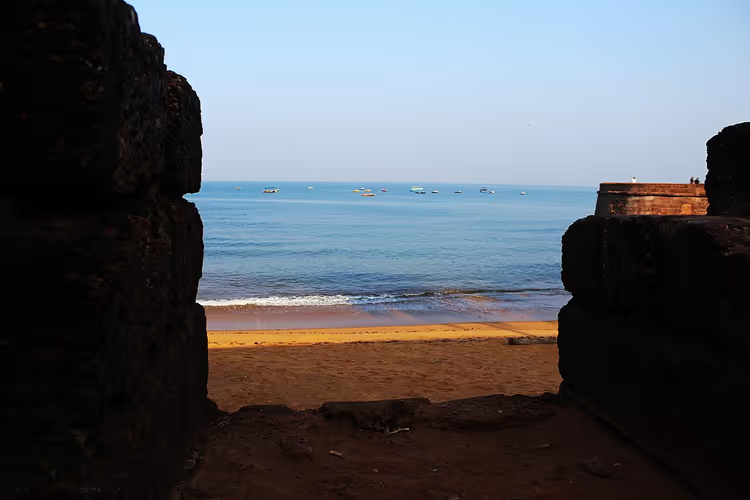
Modern hotels in India are built in a national style and placed right by the water. The windows open onto a sea view, and the beach starts just beyond the property.
 © Vijay Tiwari · CC BY-SAPhoto: Vijay Tiwari, CC BY-SA (https://creativecommons.org/licenses/by-sa/4.0), Wikimedia Commons
Inside, there is usually everything for rest and wellness: a meditation center, a yoga club, an Ayurvedic and SPA salon, and restaurants with evening programs. Some add an astrologer's office.
Before booking, check what is included in the rate and what is paid separately. This will protect you from extra expenses on the ground.
4. Exotic sights and temples of India
Exotic experiences in India are everywhere. Hindu temples amaze with carvings and colors, and ritual dances, saris, and mehndi patterns on the body stay in your memory for a long time.
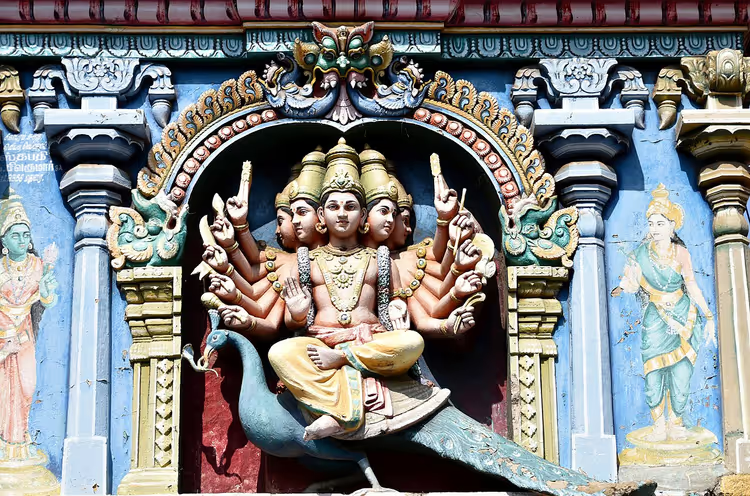 © Richard Mortel from Riyadh, Saudi Arabia · CC BYPhoto: Richard Mortel from Riyadh, Saudi Arabia, CC BY (https://creativecommons.org/licenses/by/2.0), Wikimedia Commons
In New Delhi, travelers head to the Lotus Temple, which is recognized by its flower shape. This place is worth adding to your route along with a walk through the central markets.
5. Sacred traditions and rules
India has traditions worth respecting. The cow is considered a sacred animal, so the animals walk freely through the streets and act like they own the place.
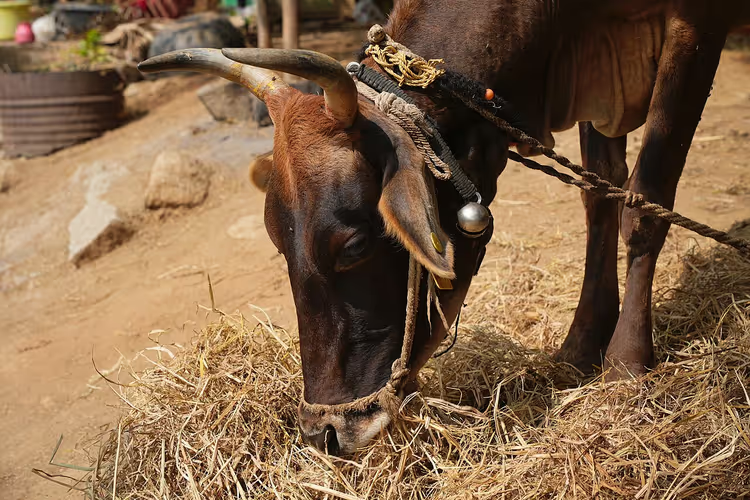 © Ingo Mehling · CC BY-SAPhoto: Ingo Mehling, CC BY-SA (https://creativecommons.org/licenses/by-sa/4.0), Wikimedia Commons
There is also a simple etiquette rule. The left hand is considered "unclean," so pass food, money, and handshakes with your right hand, and you will avoid an awkward situation.
In February, Goa hosts a carnival: several days of parades, music, and dancing. If your trip coincides with it, book accommodation in advance.
6. Ayurveda and Panchakarma in Kerala
Kerala is considered the center of Ayurveda. Panchakarma programs for health and rejuvenation are offered here, and this is one of the main draws of local tourism.
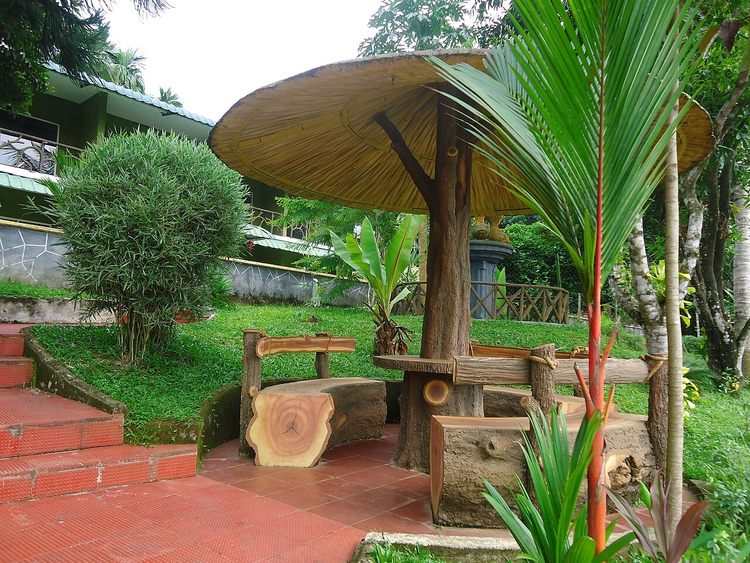 © Srijinfrancis · CC BY-SAPhoto: Srijinfrancis, CC BY-SA (https://creativecommons.org/licenses/by-sa/4.0), Wikimedia Commons
The package includes yoga, meditation, acupressure, reflexology, herbal baths, saunas, and aromatherapy. Such courses are recommended during the monsoon season: the air is clean at that time, and the body absorbs oils better (according to Kerala Tourism).
7. Indian cuisine and spices
Indian cuisine is built on rice, curry, vegetables, fish, and seafood. Coconut oil and exotic fruits are served at the table, and spices and sauces set the foundation of flavor.
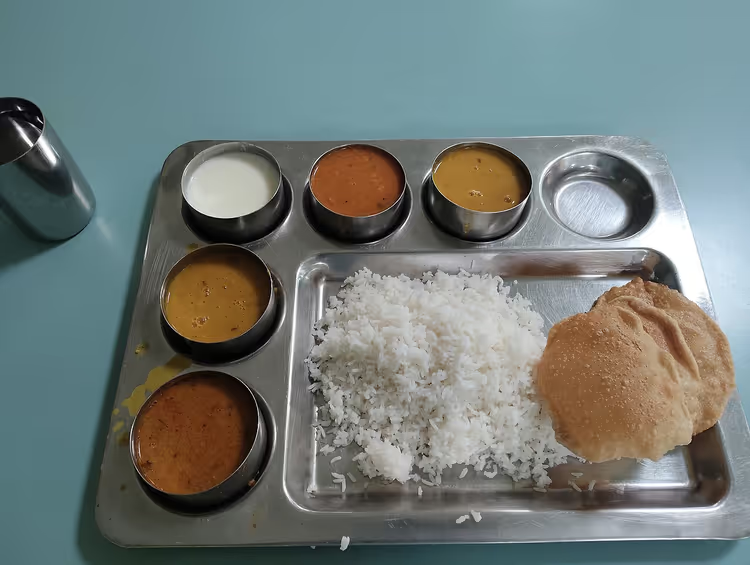 © Mallikarjunasj · CC BY-SAPhoto: Mallikarjunasj, CC BY-SA (https://creativecommons.org/licenses/by-sa/3.0), Wikimedia Commons
Tourists are often served familiar European dishes, but local spices are added, and the familiar taste sounds new.
- The catch: local cuisine is spicy. If you do not like spices, ask for "not spicy."
8. Shopping: bazaars and malls
Shopping in India suits those who love markets. Malls carry branded goods, while eastern bazaars offer silk fabrics, saris, boxes with precious stones, and spices.
 © Biswarup Ganguly · CC BYPhoto: Biswarup Ganguly, CC BY (https://creativecommons.org/licenses/by/3.0), Wikimedia Commons
Bargain almost everywhere: at bazaars, the price for tourists is often inflated. This is part of the local tradition, and sellers take haggling in stride.
⁉️🤔 Frequently asked questions
When is the best time to go to India?
For beaches and sightseeing, choose the dry season, roughly from November to March. From June to September the monsoon arrives, and the coast is humid and windy. In winter the sea is calm and the air is dry. Check exact tour dates with your carrier, because weather differs by region.
Do I need a visa and how do I get one?
Yes, a tourist visa is required. It is issued online on the official portal, without a trip to the consulate. Submit your application in advance so you receive the permit before departure, and print it for border officers.
What is Panchakarma and where is it offered?
Panchakarma refers to an Ayurvedic cleansing and rejuvenation program. Courses are offered in Kerala.
What to bring back from India?
Most often people bring silk fabrics, saris, spices, boxes with precious stones, and coconut oil. Before buying, check what is allowed to be exported.
In short: what to book
A vacation in India comes down to season, resort region, and hotel. If you want beach and nightlife, go for North Goa. For quiet and a family vacation, the southern coast works well. Look for wellness and Ayurveda in Kerala, and mountain coolness in Shimla.
- If you want parties: book a hotel in North Goa.
- If you are traveling with family: choose the southern coast with first-line hotels.
- If you want Ayurveda: plan Kerala for the monsoon season.

A small editorial team writing guides for independent travel. We travel ourselves, but we haven’t been everywhere, so we check prices, opening hours and how to get there against official sources.