
















Where to go in Australia: 20 destinations and best seasons for a vacation
Australia occupies an entire continent, and its resorts are scattered across thousands of kilometers.
The beaches of the Gold Coast, the reef near Cairns, and the snowy slopes near Canberra are separated by flights, not buses.
We've put together 20 destinations from Sydney to Alice Springs and noted when to go, how to get there, and where to look for hotels.
You need a visa or permit to enter the country.
Ad: this article contains affiliate links; we earn a commission if you book through them, at no extra cost to you.
💡 In short:
- The south of the country is good for swimming from October to April, while the northern reef and Darwin welcome visitors from May to October.
- The list includes 20 destinations from Sydney to Alice Springs, with flights between them, not buses.
- You need a visa or permit to enter the country.
1. Sydney
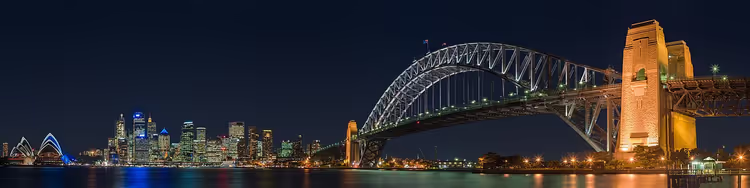 © Diliff · CC BY-SAPhoto: Diliff, CC BY-SA (https://creativecommons.org/licenses/by-sa/3.0), Wikimedia Commons
Sydney sits on the Pacific Ocean, and its coastline is cut by bays.
The bays hide calm spots for swimming, while the open beaches are left to surfers. Bondi Beach is considered the city's most famous beach: it has appeared in dozens of films and TV series. Balmoral Beach and Shark Beach are more convenient with kids: the waves are smaller and there's shade. Surfers choose Tamarama Beach, where the waves are stronger.
The Blue Mountains begin west of the city. A national park operates there, home to koalas and kangaroos, with guided tours along the trails. The Hawkesbury River flows to the north, where fishing trips are organized. If you're tired of the beach and museums, head to the Woronora Plateau and hike its trails.
Port Jackson, together with Sydney Harbour, is considered one of the largest natural harbors in the world. Guided climbs are organized on the Harbour Bridge, and tours inside the Sydney Opera House run on a schedule (see the official website).
The best time for swimming is January and February, when the water is warmest. You can visit the city year-round.
- Who it's for: a first trip to Australia, beaches and a big city in one place.
- The catch: Tamarama Beach is not a place for calm swimming, it's for catching waves.
2. Melbourne
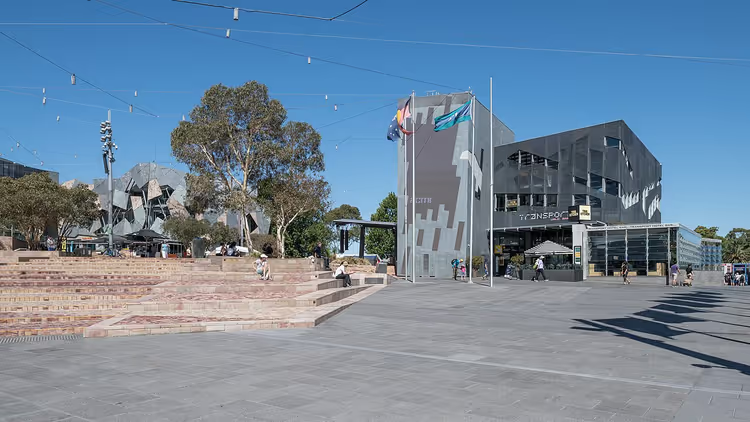 © DXR · CC BY-SAPhoto: DXR, CC BY-SA (https://creativecommons.org/licenses/by-sa/4.0), Wikimedia Commons
Melbourne holds the title of the country's cultural capital. International exhibitions, concerts, and sports tournaments take place here, and the city hosts the Australian Grand Prix. You won't be bored: the cultural calendar is packed and runs year-round.
Beaches stretch along Port Phillip Bay in multi-kilometer sandy strips. Some sections are sheltered from the wind, while others are open to the waves and suit surfers. For warmer water, surfers head to Portsea, Sorrento, and Rye, about an hour's drive from the center.
The bay water is cool even in summer because cold currents pass nearby. But the coastal air is dry and warm, so you tan evenly. The best season for the city and beaches runs from October to April.
- Who it's for: museums, concerts, coffee, and city energy.
- The catch: don't expect warm water even at the height of summer.
- Hotels: Melbourne hotels on Trip.com
3. Brisbane
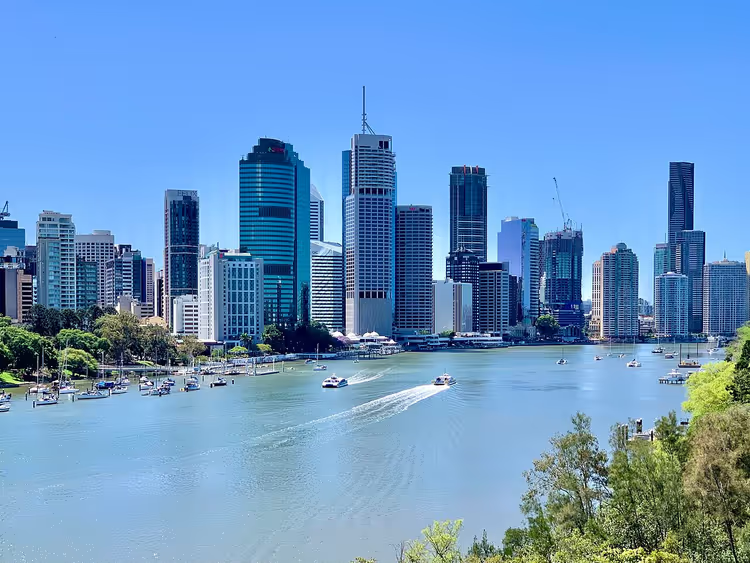 © Chris Olszewski · CC BY-SAPhoto: Chris Olszewski, CC BY-SA (https://creativecommons.org/licenses/by-sa/4.0), Wikimedia Commons
Brisbane sits away from the ocean, and that's exactly what gives the city its character. It was built haphazardly, so colonial buildings stand next to glass high-rises, and in several botanical gardens, plants from other continents have taken root alongside endemics.
The cultural scene is diverse. The Gallery of Art exhibits Australian and international artists, and the planetarium's mini-theater puts on shows about space. The West End dining district brings together local artists and people who love debating art over dinner. For shopping, head to malls and boutiques that sell pieces by both established and emerging Australian designers.
The Brisbane River winds through the center and forms bays, and river ferries have long been the city's calling card. A boat trip shows the historic part of the city from the water.
If you want the sea, take a suburban train to the river mouth. Moreton Bay has many sandy islands, dolphins and whales swim nearby, and jeep tours are organized along the coast. One of the country's largest wineries also operates here, with tastings for visitors.
- Who it's for: city breaks without beach crowds and trips to the bay islands.
- The catch: there's no beach within the city limits, you'll have to travel to swim.
- Hotels: Brisbane hotels on Trip.com
4. Gold Coast
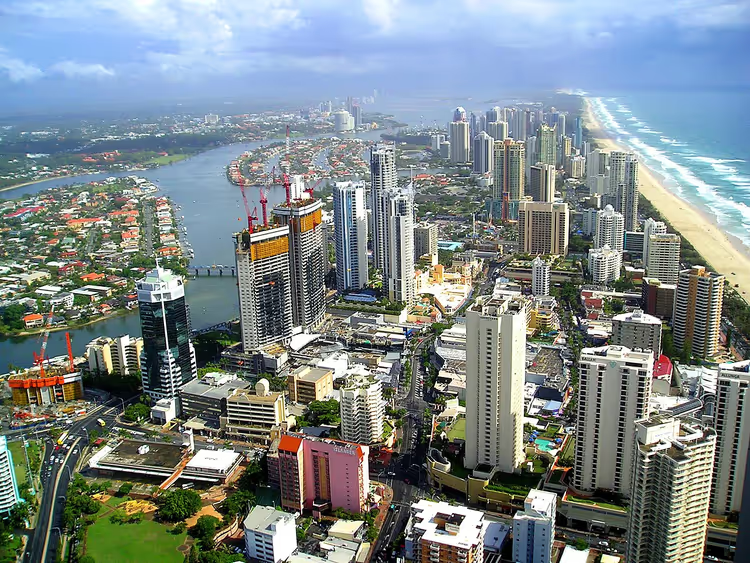 © E-CBD · CC BY-SAPhoto: E-CBD, CC BY-SA (http://creativecommons.org/licenses/by-sa/3.0/), Wikimedia Commons
The Gold Coast grew up next to Brisbane and consists of a string of coastal neighborhoods that flow into one another. Each has its own character, so the choice depends on your budget and who you're traveling with.
Surfers Paradise is considered the heart of the resort. The ocean here is rough, so beginners should stick to the netted areas: the nets protect swimmers from venomous jellyfish. Apartments are available for every budget, and bars and restaurants open in the evening, which is why young people love it here.
Main Beach is chosen for its high level of service and seclusion. There are few hotels and prices are above average, but Sea World is right nearby. Broadbeach offers a wide choice of hotels and eateries on every corner: you can even find kangaroo steak on the menu. You'll also find a large shopping center there.
When you've had enough of the beaches, take a trip to Lamington National Park, a UNESCO site. K'gari (Fraser Island) is also on the UNESCO list, but it's far from the Gold Coast.
The Gold Coast works well as a base for several days. From Brisbane you can get here by car or train in about an hour. Buses run between the coastal neighborhoods, but with kids it's easier to rent a car. Swim only in the netted areas: the open shore has strong waves, and surfing in Surfers Paradise requires experience. Sea World in Main Beach takes a full day, so plan it as a separate date. Book accommodation in advance: high season here runs from December to February.
- Who it's for: surfing, water parks, and a beach vacation lasting several weeks.
- The catch: hotels are packed close together, and in the afternoon much of the beach is in shadow.
- Hotels: Gold Coast hotels on Trip.com
5. Great Barrier Reef
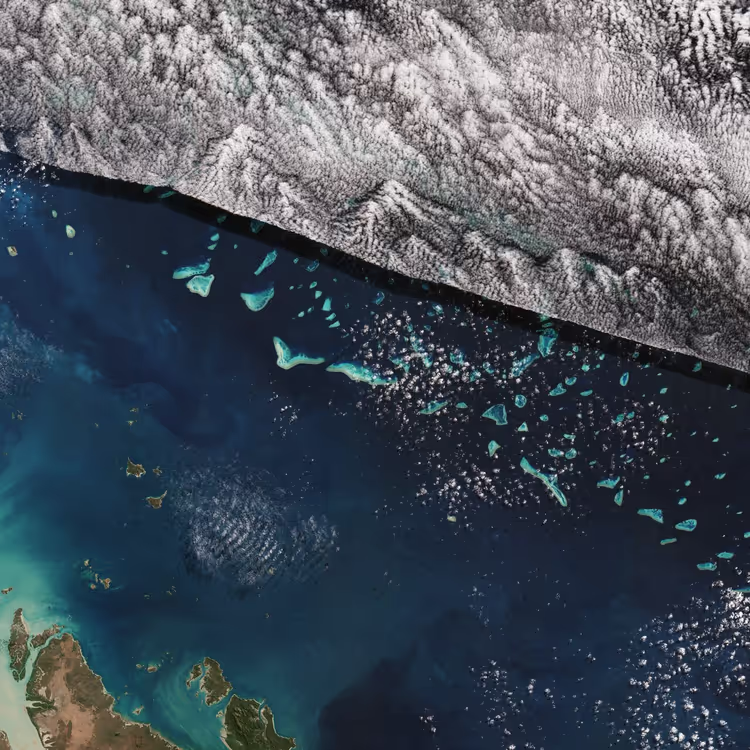 © European Space Agency · CC BYPhoto: European Space Agency, CC BY, Wikimedia Commons
The Great Barrier Reef is a UNESCO World Heritage site stretching along the Queensland coast for more than 2,300 km (as of 09/2026, UNESCO list). It's not a single coral wall but almost 2,900 individual reefs and about 900 islands (as of 09/2026, UNESCO).
The width of the reef varies: it's narrow in the north and widens to tens of kilometers in the south. The reef islands have hotels and beaches in different categories, so it's best to choose accommodation in advance.
- Bedarra: private villas with personal beaches, diving, horseback riding, water skiing, and tennis courts. The hotel accepts adults only.
- Dunk: kids' club, beauty salon, laundry, diving, and fishing tournaments. Ancient rainforests survive nearby, and horseback rides follow shaded trails.
- Heron: the southernmost part of the reef, with white sand and vibrant corals. Bird sanctuaries operate here, and hotels suit every taste.
- Lizard: the most expensive option. The staff creates the most comfortable conditions, and guests are offered helicopter tours, tennis, and diving.
- Hayman: a private island that's a popular honeymoon destination. Wide beaches let you find your own quiet spot.
- Hamilton: comfort here is combined with eco-friendly management practices.
The most convenient departure points for the reefs are Cairns, Port Douglas, or Townsville: boats leave from there to the nearest sections.
You choose the format yourself. Day trips take the whole day, so it's more convenient to spend the night in town rather than on an island. Dive centers operate in every port and provide equipment on site. If you want snorkeling without the crowds, book a small-group tour: visibility on the shallows is better in the morning. Plan your trip for the dry season, when the sea is calmer and the wind is less of a problem. Book island villas in advance: in high season, available options go fast.
- Who it's for: divers, snorkelers, and anyone who wants a beach resort without city noise.
- Tours: Great Barrier Reef tours on GetYourGuide
6. Adelaide
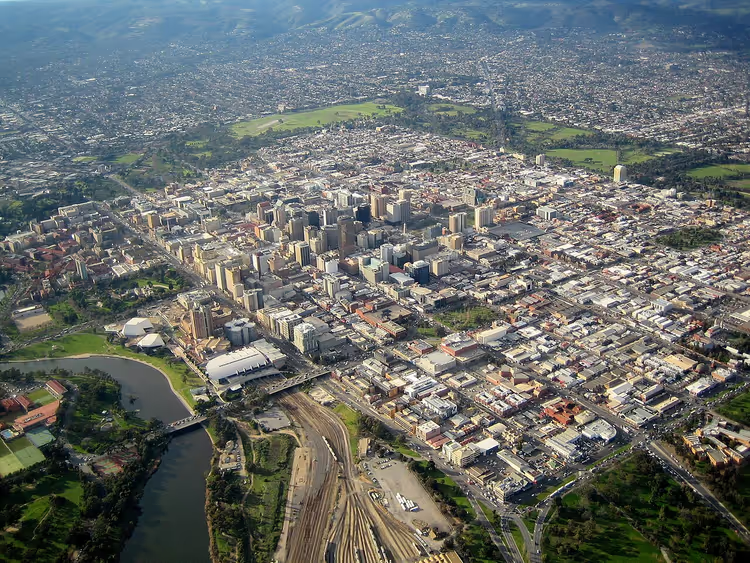 © Photograph by Doug Barber · CC BY-SAPhoto: Photograph by Doug Barber, CC BY-SA (https://creativecommons.org/licenses/by-sa/3.0), Wikimedia Commons
Adelaide looks well cared for: multi-story buildings sit next to one- and two-story houses, facades have been refreshed, and the streets are clean. Walking around the center is pleasant, especially since the city is compact.
Mount Lofty, the highest point in Adelaide, rises within the city limits. Vineyards spread out around it, and local wines are poured at the market and in shops. At night, food events are held here, serving dishes of the local cuisine.
A separate reason to come here: Kangaroo Island. It's a national park where sea lions and kangaroos live in natural conditions, and anglers are allowed trophy fishing. You reach the island on the SeaLink ferry from Cape Jervis to Penneshaw: the crossing takes 45 minutes, with up to 12 departures a day (as of 09/2026, SeaLink).
The beaches around the city are sandy and clean, but the water is cool because of the currents. People mostly swim in wetsuits, but sunbathing is comfortable. Surfers catch waves, while everyone else can try tennis, horseback riding, yachts, and a golf course. The best season runs from October to April, when rainfall is low.
- Who it's for: a calm city, wine, and the nature of Kangaroo Island.
- The catch: the water won't be warm even in summer, the ocean is cold.
- Hotels: Adelaide hotels on Trip.com
7. Cairns
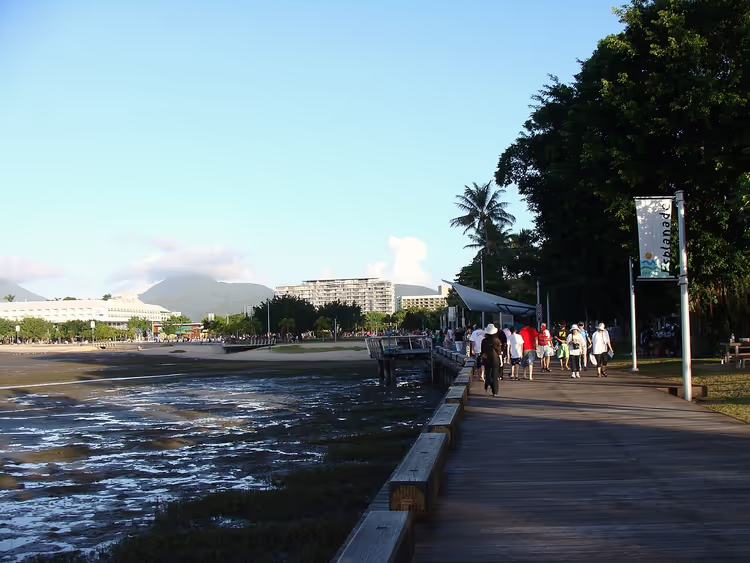
Cairns is called the gateway to the Great Barrier Reef. Tourism brings the city more money than sugarcane plantations, and all the services here are geared toward reef trips.
Cairns doesn't have a classic beach of its own: the shore is muddy and silty, and pelicans feed among the seaweed. For swimming, there's a lagoon in Esplanade Park, separated from the ocean by a net to keep out venomous jellyfish. Sand was brought in, so the entry into the water is soft.
In the evening, life moves to bars and restaurants with live entertainment. During the day, it's worth going up Walsh's Hill, where farmers hold fairs with rides. Plan your trip for the dry season and bring diving gear.
- Who it's for: the reef, diving, and a tropical city without a beach promenade.
- The catch: you can only swim in the lagoon, the ocean near the city isn't suitable.
- Hotels: Cairns hotels on Trip.com
8. Perth
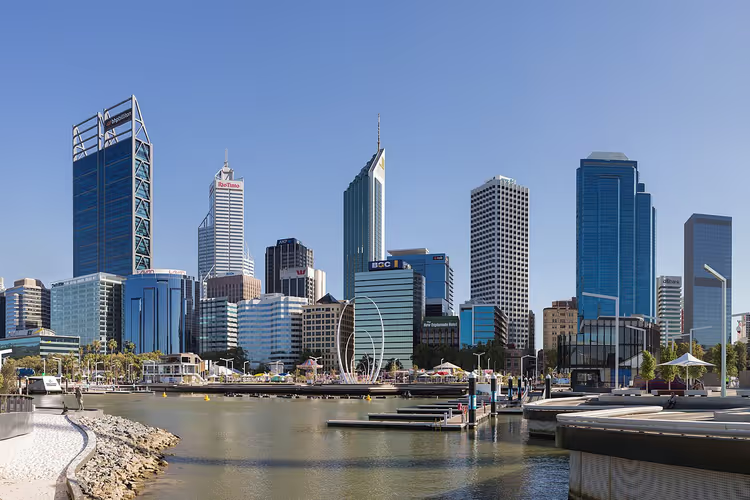 © Samuel Wiki · CC BYPhoto: Samuel Wiki, CC BY (https://creativecommons.org/licenses/by/4.0), Wikimedia Commons
Perth grew rich from mining nickel, gold, and diamonds. Some of that money went into construction, so the city leads in festivals, conferences, exhibitions, and concerts. Good conditions have been created for guests and participants.
The local beaches are made for long stays: fine soft sand, clear water, a gently sloping bottom with no seaweed. The shore is surrounded by shady groves, so there's plenty of natural shade. But caution doesn't hurt: the sun is bright, the air is dry, and it's easy to get sunburned.
Take a walk along the Swan River, where the embankment runs through the entire center. Small restaurants do a good job with fish and seafood. In the evening, check out the Northbridge area: the fun starts late there and lasts until morning.
You can visit Perth year-round, but the swimming season runs from October to April. June and July are cool and often rainy.
- Who it's for: long beaches, urban comfort, and nightlife.
- The catch: swimming is cold in winter, June and July are rainy.
- Hotels: Perth hotels on Trip.com
9. Fremantle
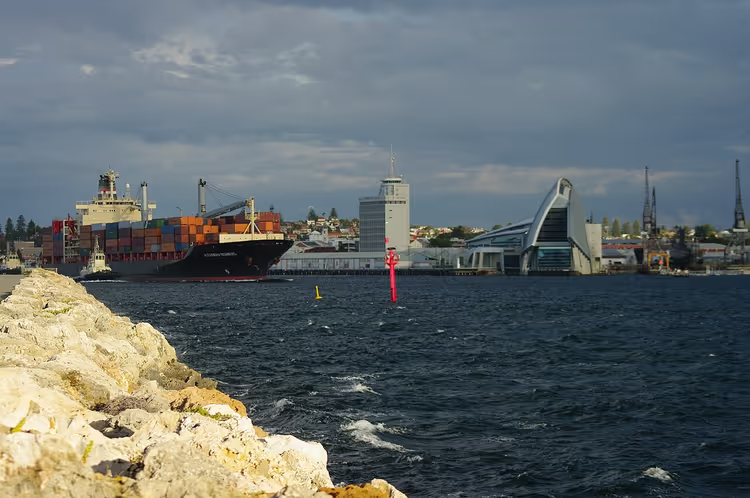 © Gnangarra · CC BYPhoto: Gnangarra, CC BY (https://creativecommons.org/licenses/by/2.5/au/deed.en), Wikimedia Commons
Fremantle sits a couple dozen kilometers from Perth and is formally considered part of it. Locals, however, consider the city a separate settlement, and they have their reasons.
Fremantle has preserved its 19th- and 20th-century architecture. The buildings have been restored, some reconstructed, so the center looks like a set from a historical film. Where the Swan River flows into the Indian Ocean, a multi-kilometer sandy coastline stretches out. The water is clean and slightly less salty than in the open ocean, thanks to the river outflow.
Beach time here suits both solo travelers and families with children. At the mouth of the Swan, both saltwater and freshwater fish bite. Culture lovers also have plenty to see: walk through the center on foot or pick up a city map at the information center.
Walk to the lighthouse: it offers the best sunset in the city. In Fishing Boat Harbour, restaurants and bars serve fish and seafood dishes. The best time to visit runs from October to April: it's warm and pleasant for swimming.
- Who it's for: a historic port, fishing, and calm beaches near Perth.
- The catch: the swimming season is short, outside it the ocean is brisk.
- Hotels: Fremantle hotels on Trip.com
10. Canberra
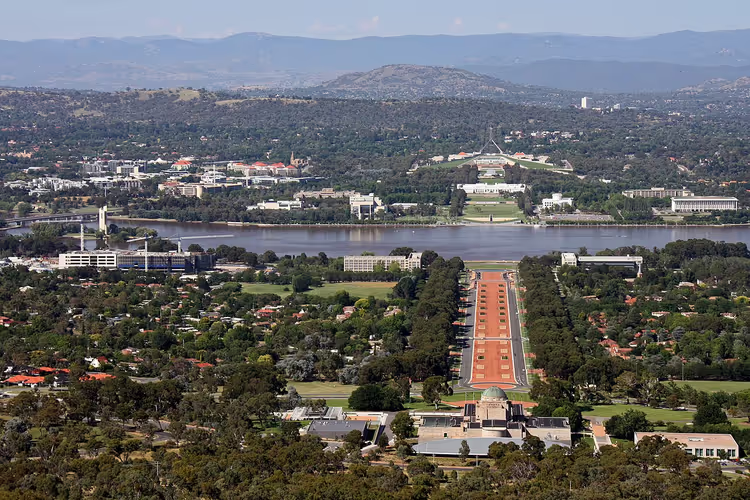 © Tim J Keegan from Lake Macquarie, Australia · CC BY-SAPhoto: Tim J Keegan from Lake Macquarie, Australia, CC BY-SA (https://creativecommons.org/licenses/by-sa/2.0), Wikimedia Commons
Canberra combines urban planning and wild nature. The capital has preserved creeks, wetlands, eucalyptus groves, meadows, and patches of savanna, all woven into the landscape.
At the center lies the artificial Lake Burley Griffin. It beautified the cityscape and also protected the center from flooding, and it was named after the author of the development plan, Walter Burley Griffin. Not far from the center, the National Botanic Gardens showcases a collection of endemic plants and species from around the world.
Canberra is also a starting point for ski trips to the Snowy Mountains. The Thredbo resort is about 200 km from the city. It offers good infrastructure and welcomes guests from June to September. If you're traveling in winter, bring warm clothes and check trail conditions.
- Who it's for: museums, lake walks, and the ski season in the Snowy Mountains.
- The catch: there are no beaches nearby, so a seaside vacation has to be planned separately.
- Hotels: Canberra hotels on Trip.com
11. Darwin
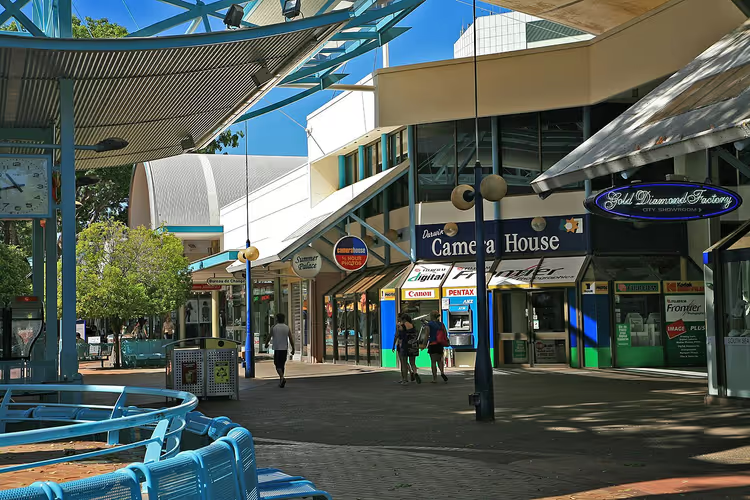 © W. Bulach · CC BY-SAPhoto: W. Bulach, CC BY-SA (https://creativecommons.org/licenses/by-sa/4.0), Wikimedia Commons
Darwin is chosen by those seeking untouched nature. There really is plenty to see here:
- The country's largest crocodile farm: besides crocodiles, it is home to snakes, lizards, and birds.
- Kakadu National Park, the largest in Australia, with some of the oldest rock art in the world.
- An Aboriginal cultural center where the living conditions of Indigenous people are recreated.
- Wineries whose products can be tasted in shops and at the market.
- Local beer varieties that hold their own against German and Czech ones.
Darwin's cuisine is also interesting: restaurants serve meat, vegetables, and poultry, and the ingredient combinations are surprising. The best time to visit is from May to October, when it's warm and there is almost no rain. In November the rainy season begins, and the heat does not let up.
Darwin is not a beach resort: there is nowhere to swim here, but parks and nature are close by. For Kakadu you buy a separate park pass; it is not included in the fees for other parks (as of 09/2026, Australian parks).
- Who it's for: national parks, wild nature, and rock art.
- The catch: no swimming in the sea, so beaches have to be found in other cities.
- Hotels: Darwin hotels on Trip.com
12. Bunbury
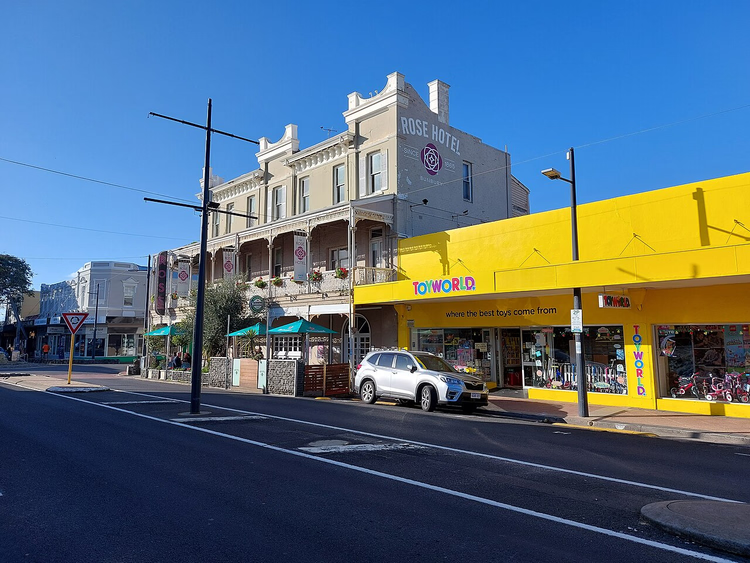 © Orderinchaos · CC BY-SAPhoto: Orderinchaos, CC BY-SA (https://creativecommons.org/licenses/by-sa/4.0), Wikimedia Commons
Bunbury sits at the mouth of the Collie River and attracts tourists with miles of sandy beaches. People come here to sunbathe, swim, and surf.
The city has historically been a port, and the old jetty remains a popular spot for walks. Worth seeing is St Mark's Church, built in the 19th century. Markets sell jewelry made from local pearls, silver and gold, as well as souvenirs crafted by Aboriginal artists.
- Who it's for: beaches without the crowds and a quiet city in the southwest.
- The catch: there are few major attractions, and the city quiets down in the evening.
- Hotels: Bunbury hotels on Trip.com
13. Broome
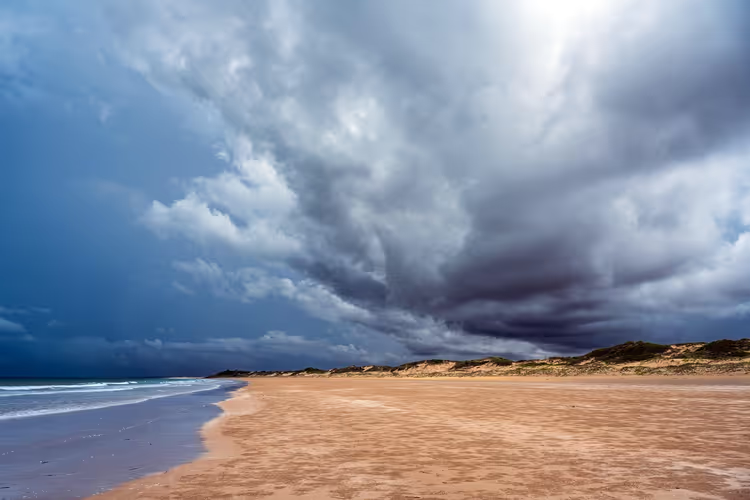
Broome is a quiet place today, a good base for combining beach time with active recreation. In the 19th century, sea pearls were harvested here, and that industry fed the town for almost a hundred years.
The main beach is Cable Beach, with soft white sand. The water is clear and warm, and swimming is pleasant. The coast got its name from the telegraph cables laid along the shore. The infrastructure is typical for Australia: umbrellas and loungers are available for rent, and for food it's worth heading off the beach. Cable Beach attracts surfers and jet ski fans. Keep in mind that this shore is also popular with nudists.
In the evening, take a walk along Carnarvon Street with its restaurants and souvenir shops. At Town Beach, watch the moon during a full moon: the reflection on the water draws something like a staircase into the sky. The best time to visit starts in late April and lasts until mid-October.
- Who it's for: long beaches, warm water, and wintering over in the dry season.
- The catch: in high season the beach is popular, so don't expect peace and quiet.
- Hotels: Hotels in Broome on Trip.com
14. Port Douglas
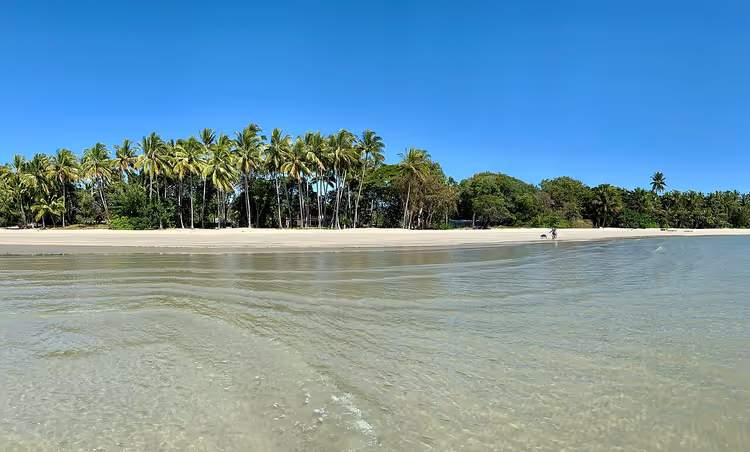 © Chris Olszewski · CC BY-SAPhoto: Chris Olszewski, CC BY-SA (https://creativecommons.org/licenses/by-sa/4.0), Wikimedia Commons
Port Douglas got a second life in the late 20th century, when vacationers appreciated the beauty of the Four Mile Beach coastline. The tourism industry responded quickly, and today the town lives mainly off its visitors.
You won't be bored in town: excursions to the Great Barrier Reef depart from here. At Four Mile Beach people swim, sunbathe, surf, and kiteboard. The colorful carnivals and festivals appeal even to discerning guests.
Natural attractions lie nearby. The Mossman River plunges as a waterfall into Mossman Gorge, Daintree Rainforest National Park suits ecotourism lovers, and the Bloomfield Valley surprises with its system of waterfalls. In town itself, it's worth visiting the shipwreck museum: it displays the remains of vessels that broke apart on the reefs.
- Who it's for: the reef close to town, rainforest, and a calm beach.
- The catch: the town center is small, so people go to Cairns for entertainment.
- Hotels: Hotels in Port Douglas on Trip.com
15. Newcastle
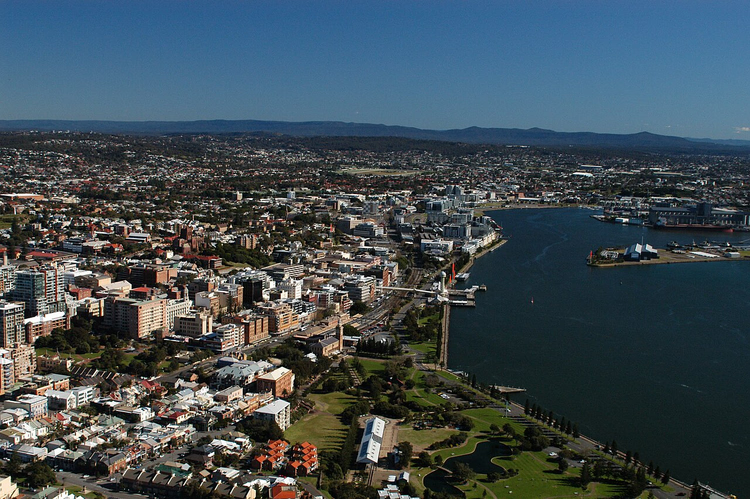 © Doug Beckers from Avoca Beach, Australia · CC BY-SAPhoto: Doug Beckers from Avoca Beach, Australia, CC BY-SA (https://creativecommons.org/licenses/by-sa/2.0), Wikimedia Commons
Newcastle remains the country's oldest operating port, but it also works as a tourist hub. People come here for beaches, active recreation, and ecotourism.
Fans of wide, empty shores choose Stockton: the dunes stretch almost to Nelson Bay. Most often people choose Bar Beach: in high season it gets crowded. Nobbys Beach sits near the station and is considered safe for swimming. Nature lovers head to Barrington Tops National Park, home to platypuses and reptiles.
Around Newcastle, wineries work with local ingredients and regularly hold tastings. A walk to Nobbys Island is interesting: it's connected to the mainland by a causeway built by convicts in the 19th century. From there you get a panorama of Stockton Beach and the harbor. To see the whole city, go up to the tower's observation deck.
- Who it's for: surfing, long beaches, and wine tastings close to town.
- The catch: Bar Beach is packed in high season, so look for a spot at Stockton.
- Hotels: Hotels in Newcastle on Trip.com
16. Townsville
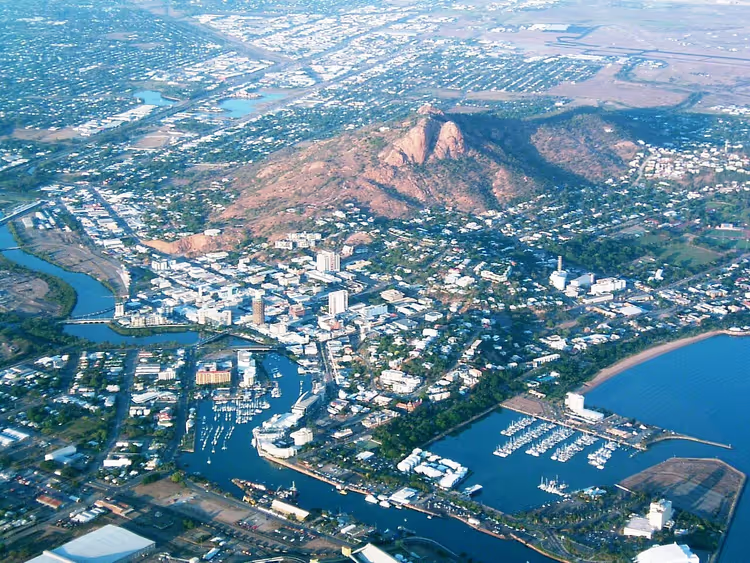
Townsville attracts divers from all over the world. The underwater landscapes here are stunning, and boats to the reefs leave almost every day.
The proximity of Magnetic Island adds extra appeal to the city. It's easy to head over for a day, and when you return, it's worth strolling through the center: cafes and eateries operate on every street, with simple and varied food.
- Who it's for: diving, the reef, and the city as a base for a few days.
- Hotels: Hotels in Townsville on Trip.com
17. Tasmania
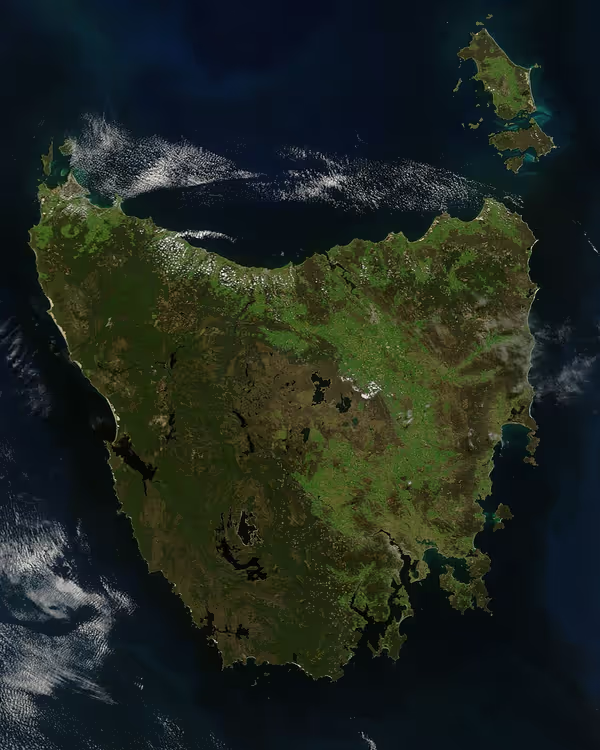
Tasmania has kept its nature almost untouched, and that's what draws travelers. Relict forests cover more than half the island. They are home to possums, wombats, and the Tasmanian devil, which is listed in the International Red Book.
Besides forests, there are picturesque waterfalls, clean lakes, and lavender fields whose harvest is bought by perfume factories. Beach lovers will enjoy the sandy stretches of coastline: you can swim, sunbathe, and do water sports.
The excursion program is packed too. Port Arthur, with its convict prison, is on the UNESCO list. In Devonport, there's an ethnographic exhibition about the life of the indigenous population. The best time to visit the island runs from November to April, when there is almost no rain. The ocean here is cold even in summer.
- Who it's for: wildlife, trekking, and the history of penal settlements.
- The catch: the weather is changeable, bring clothes for a cool evening.
- Hotels: Hotels in Tasmania on Trip.com
18. Byron Bay
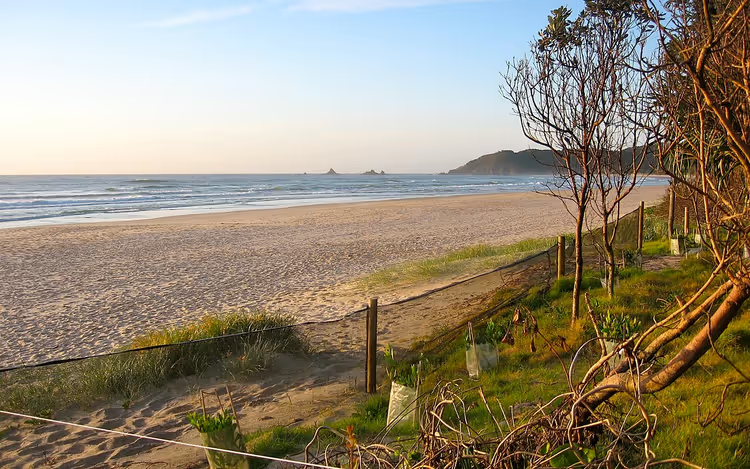
Not long ago Byron Bay was a small whaling settlement, then hippies discovered its secluded beaches. Today it's a laid-back spot by a gentle ocean. In the early 20th century sand was mined here and the environment suffered badly, but the mines closed and the area recovered.
Dolphins often swim into the bays, and whale spouts are visible on the horizon. Surfers love the coastal waters: the wave here is high and consistent.
Above Byron Bay beach stands a lighthouse, the town's main attraction. The observation deck offers a panorama of the ocean. Active travelers follow a walking route through the hills and descend to the beach. The town hosts ethnographic festivals, craft and agricultural fairs, and divers hold competitions. Nearby lies Nightcap National Park with Minyon Falls.
- Who it's for: surfing, dolphins and whales near the shore, and a relaxed pace.
- The catch: high waves are not for beginners, it's better to swim in the bays.
- Hotels: Hotels in Byron Bay on Trip.com
19. Margaret River
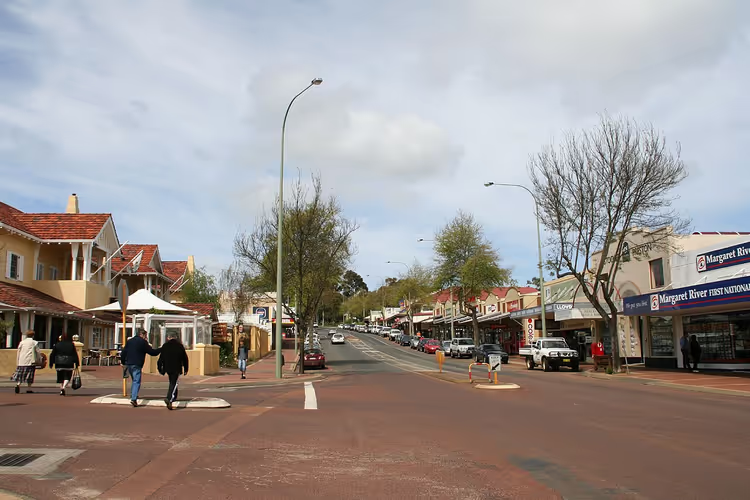 © Rob & Jules · CC BYPhoto: Rob & Jules, CC BY (https://creativecommons.org/licenses/by/2.0), Wikimedia Commons
Margaret River suits those who combine a beach holiday with an active itinerary. The town has good beaches, a clean coastline, and plenty of fairs.
The surrounding area is covered with vineyards, and more than two hundred wineries operate here. The local wines have won Australian and international awards, and you can arrange your first tasting right in town. The coastline is cut by bays, and caves with chambers are hidden in the cliffs: this appeals to divers. Surfers catch their wave, and nature lovers head into the eucalyptus forests.
- Who it's for: wine, caves, surfing, and nature without city noise.
- The catch: getting around without a car is difficult, the distances here are large.
- Hotels: Hotels in Margaret River on Trip.com
20. Alice Springs
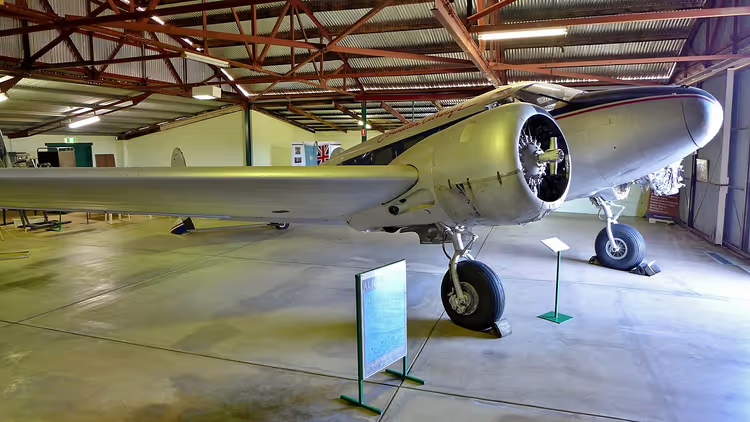 © Bahnfrend · CC BY-SAPhoto: Bahnfrend, CC BY-SA (https://creativecommons.org/licenses/by-sa/4.0), Wikimedia Commons
Alice Springs lies in central Australia. The town was founded to service the telegraph line between Adelaide and Darwin, and today it operates as one of the country's tourist hubs.
The area's main attraction, Uluru, lies about 450 km from the town. For Australian Aboriginal people it is a sacred place where they find spiritual harmony. Climbing the rock is closed, but the park has marked routes.
Entry requires a paid park pass. It is valid only within Uluru-Kata Tjuta National Park.
The best time to visit Alice Springs runs from May to September. During these months agricultural fairs, wine and food festivals, rodeos, and camel races take place.
- Who it's for: Uluru, the desert, and festivals in the dry season.
- The catch: summer brings intense heat, tours are moved to dawn.
- Hotels: Hotels in Alice Springs on Trip.com
Australia's resorts on the map
All 20 destinations from this selection are marked on one map. Open it to gauge the distances between cities and plan your route.
Australia's resorts
Places on the map
- 1Sydney Bays, Bondi Beach and Port Jackson harbour
- 2Melbourne Cultural capital, Port Phillip Bay beaches with cool water
- 3Brisbane City without its own beach, trips to Moreton Bay islands
- 4Gold Coast Resort areas Surfers Paradise, Main Beach and Broadbeach
- 5Great Barrier Reef UNESCO site, almost 2,900 reefs and about 900 islands
- 6Adelaide Vineyards and a ferry to Kangaroo Island, cool water
- 7Cairns Gateway to the reef, swimming only in the Esplanade lagoon
- 8Perth Long fine-sand beaches and the Swan River promenade
- 9Fremantle Historic port at the mouth of the Swan River, fishing and beaches
- 10Canberra Lake Burley Griffin and the Thredbo ski resort nearby
- 11Darwin Kakadu National Park and a crocodile farm, no swimming in town
- 12Bunbury Port city with sandy beaches stretching for kilometres
- 13Broome Cable Beach with white sand, a former pearling hub
- 14Port Douglas Four Mile Beach and trips to the reef and Mossman Falls
- 15Newcastle Stockton, Bar Beach and Nobbys Beach, wineries nearby
- 16Townsville Diving and the reef, Magnetic Island nearby
- 17Tasmania Untouched forests, waterfalls and UNESCO-listed Port Arthur
- 18Byron Bay Lighthouse, dolphins and whales offshore, big waves for surfing
- 19Margaret River Over 200 wineries, caves and surfing
- 20Alice Springs Town near Uluru rock, paid park pass required
⁉️🤔 Frequently asked questions
When is the best time to go to Australia?
Think by region. The south of the country, which includes Sydney, Melbourne, and Adelaide, is good for swimming from October through April. The north, meaning Cairns, Darwin, and the reef, runs on a different schedule: the dry season lasts from May through October. Tasmania warms up from November through April. For a route across the whole continent, allow at least three weeks.
Do I need a visa to travel to Australia?
Check the requirements for your passport on the government agency's website. Citizens of many countries only need an ETA: you apply for it in the official app, the fee is 20 AUD, the permit is valid for 12 months and allows stays of up to 3 months at a time (as of 09/2026, agency website). Do not buy the permit from third-party sites.
How much does it cost to see Uluru?
For adults, the park pass costs 38 AUD for three days or 50 AUD for a year; children and teenagers under 18 enter free (as of 09/2026, Parks Australia). The pass is valid only in Uluru-Kata Tjuta National Park; Kakadu requires a separate one. Climbing the rock is closed, but you can walk on the designated trails.
Where is the best place to see the Great Barrier Reef from?
From Cairns, Port Douglas, and Townsville: boats depart from there to the nearest sections of the reef. Cairns is more convenient for day trips, Port Douglas is quieter and closer to the rainforests, and Townsville suits divers. An alternative is island hotels right on the reef, but they are more expensive and need to be booked well in advance.
Sydney or Melbourne?
The answer depends on your plans. Sydney gives you the ocean, beaches, and the harbor, while Melbourne gives you museums, concerts, and sports. The cities are similar in temperature, but the water in Port Phillip Bay is cooler than at Sydney's ocean beaches. If you are short on time, choose Sydney: combining the beach and the city is easier there.
In short: what to book
If this is your first trip to Australia: choose Sydney, and for the second week add the Gold Coast or Melbourne. Beyond that, the choice depends on your goal.
- First two-week trip: Sydney, then the Gold Coast or Brisbane.
- Diving and the reef: Cairns, Port Douglas, or Townsville; book boats in advance.
- A relaxed south and wine: Adelaide, Margaret River, or Tasmania.
- The country's center and red sands: Alice Springs with a side trip to Uluru.
Hotels in all destinations are easy to compare on Trip.com: prices depend on the season, and in January and December availability is at its lowest. Book the shoulder dates of the season and check the cancellation policy before paying.

A small editorial team writing guides for independent travel. We travel ourselves, but we haven’t been everywhere, so we check prices, opening hours and how to get there against official sources.