
















How to prepare for a trip to India: visa, water, transport and food
India scares and attracts at the same time. Some people talk about dirt and unsanitary conditions, others come back in love. The truth, as usual, is somewhere in the middle.
The country is big, and it has its own rules: how to greet people, what to eat, where to get water, and how to bargain. We have put together practical tips that make your trip calmer and cheaper.
The best time for most regions: October to March (according to Incredible India, 09/2026). It is dry, the heat eases off, but there are more tourists.
Ad: this article contains affiliate links, we earn a commission if you book through them, at no extra cost to you.
How to prepare for your trip
💡 In short:
- Get your e-Visa online, before you buy plane tickets.
- Bring clothes that cover your shoulders and shoes without laces.
- Keep cash in euros, a card, and a supply of antiseptics.
- Visa, e-Arrival, and entry rules: 09/2026, verified on the official e-Visa portal
Your trip starts with a visa. Citizens of most countries only need an electronic authorization. You submit the application on the official website and pay the fee there. Get it before buying tickets: processing times change.
72 hours before arrival, fill out the e-Arrival card (according to the Bureau of Immigration, 09/2026). It is a separate form and does not replace the visa.
Clothing matters more than it seems at first glance. Bring light, light-colored clothes, but with covered shoulders and elbows. You will not be allowed into a temple in shorts or a miniskirt. Long pants solve the problem.
Choose shoes without complicated fasteners. Indians take off their shoes when entering a home, a temple, and often a shop. Velcro sandals come off in a second.
Keep your money in cash. Cards are accepted in hotels and large stores, but not at the market. Euros are exchanged for rupees in cities, and rupees are withdrawn from a card at an ATM. Outside the city, you may not find an ATM.
Plan your first days without rushing. After a flight, your body takes a long time to adjust to the heat and humidity. Set aside a day for acclimatization.
 © Biswarup Ganguly · CC BYPhoto: Biswarup Ganguly, CC BY (https://creativecommons.org/licenses/by/3.0), Wikimedia Commons
Health and medical insurance
There are no mandatory vaccinations for entry. But the CDC recommends vaccines for hepatitis A and typhoid fever, and the WHO recommends checking the list for your specific route (as of: 09/2026). Get them a month before departure.
A first aid kit in India is not a luxury. Bring remedies for stomach upset and poisoning, antiseptic, wet wipes, and a supply of your own medications.
You are going to the tropics, so protect yourself from the sun and insects. Repellent will come in handy during the rainy season.
Private clinics in India are good, but they bill you immediately. Compare insurance options in advance, while you are still at home.
Get a rabies shot if you plan long hikes. Separately, ask your doctor about malaria prevention for your route.
How to behave with locals
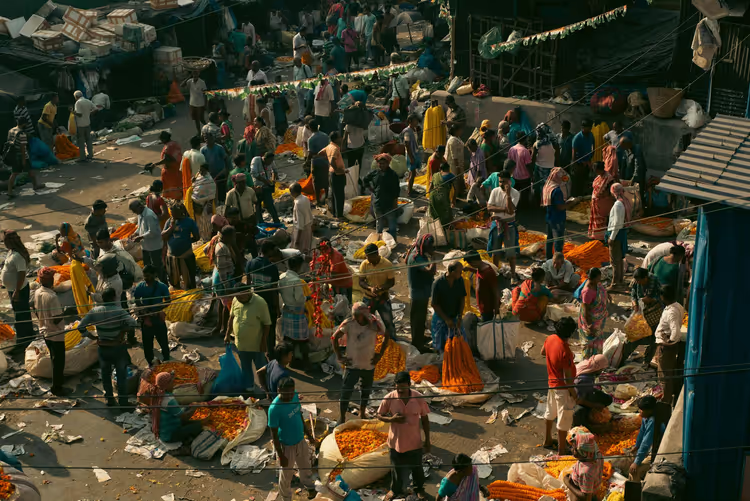
Indians are friendly, but that doesn't stop them from making money off tourists. Bargain everywhere: at the market, in shops, with rickshaw drivers. Prices for foreigners are usually already inflated. They're fixed only in large stores.
There are many beggars on the streets, and they don't let a single traveler pass. You can give to a few, but you won't feed everyone. Walk past calmly.
The question "where are you from" is rarely simple curiosity. That's how a vendor gauges your income. Calmly name your country and don't get drawn into a long conversation.
At a local's table, eat only with your right hand, even if you're left-handed. The left hand is considered unclean. Public hugging and kissing are also inappropriate here. Don't photograph people without permission.
Respect local customs and you'll get the same in return. In temples, don't take photos inside if there's a sign prohibiting it.
Transport: rickshaws, trains and buses
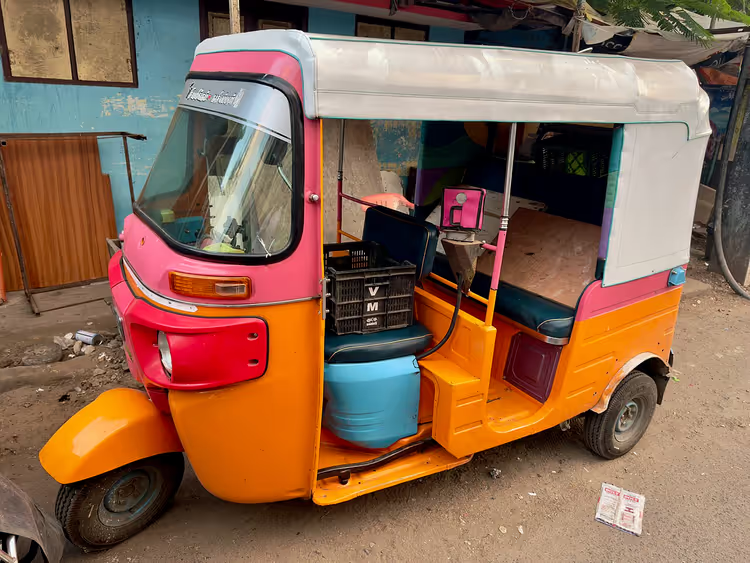
The most common transport in India is rickshaws. You hail them on the street or order them through the Ola app, a local Uber equivalent. Agree on the price before getting in.
Book train tickets in advance. The IRCTC website holds some seats under a tourist quota, but those get snapped up too. Night buses are more comfortable than they seem: the seats recline almost into a bed. In large cities, the metro is a lifesaver: it's fast and doesn't sit in traffic.
The roads are chaos, and almost nobody follows the rules. A beginner shouldn't get behind the wheel. Take a car with a driver or rent a moped in a quiet area.
 © Oleg Yunakov · CC BY-SAPhoto: Oleg Yunakov, CC BY-SA (https://creativecommons.org/licenses/by-sa/4.0), Wikimedia Commons
Food, water and alcohol
Indian spiciness can't be compared to European levels. Before ordering, ask how spicy the dish is and request it milder. The local "slightly spicy" is often already very spicy for a European.
Meat is on the menu, but vegetarians have it easier in India. Choose places where cleanliness is visibly maintained. Even locals sometimes suffer from street food.
Drink only sealed bottled water. Use it to rinse your mouth after brushing your teeth too. It's better to skip ice in drinks, and ask for tea or juice without sugar: it's added by default.
Alcohol is rarely consumed here, and in some states, such as Gujarat and Bihar, it isn't sold. In touristy Goa you'll get a cocktail, but in poorer regions don't count on it.
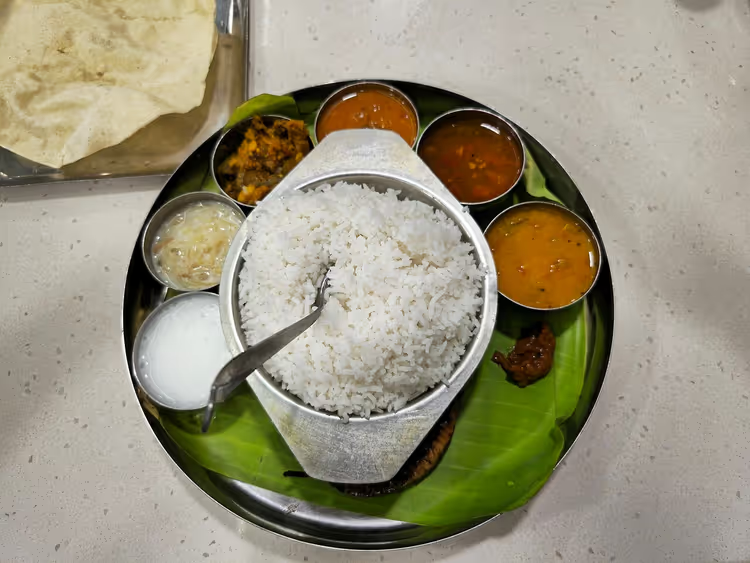
In the first few days, choose light dishes. Rice and flatbreads are easier to digest than spicy curries.
 © Ganesh Mohan T · CC BY-SAPhoto: Ganesh Mohan T, CC BY-SA (https://creativecommons.org/licenses/by-sa/4.0), Wikimedia Commons
Apps and connectivity
Sort out internet and mobile service as soon as you land. Buy a local SIM at the airport, or set up an eSIM for India before you leave home. Wi-Fi in hotels is often slow.
Download an offline map in advance for navigation. Three apps cover almost everything. Ola Cabs calls taxis and rickshaws, IRCTC books trains, and Zomato delivers food.
Bring a couple of your own photos for the visa and hotel. They're sometimes requested at the front desk. Keep copies of your documents separate from the originals.
Before the trip, let your bank know about your plans, otherwise your card may be blocked. Save the support number somewhere other than on your phone.
⁉️🤔 Frequently asked questions
Do I need a visa for India and how do I get one?
Citizens of most countries only need an electronic visa (e-Visa) from indianvisaonline.gov.in. Before arrival, you'll also need to fill out an e-Arrival card.
When is the best time to visit India?
The most comfortable time in most regions is from October to March. Summer heat is hard to bear, and not every hotel has air conditioning. In the south, plan around the monsoons.
Can you drink tap water in India?
No. Drink only bottled water in sealed containers. Wash vegetables and fruit for eating with bottled water, otherwise an upset stomach is almost inevitable.
How do you bargain in India?
Bargain at markets, in shops, with rickshaw drivers and in souvenir stores. Offer about half the stated price, without aggression or rushing. If the deal doesn't come together, walk away: they'll often chase after you with a concession.
Do cards and ATMs work in India?
Cards are accepted in hotels, airports and shopping malls. ATMs exist in cities, but outside tourist areas they're scarce. Keep a cash reserve in euros and a card for withdrawing rupees from ATMs.
In short: what's worth booking
India requires preparation, but it rewards you generously. Sort out three things in advance: visa, accommodation and water. The rest will fall into place on the ground.
If this is your first trip, pick a hotel in a well-established area and book an airport transfer. If you are going for the temples and the itinerary, search for hotels in India on Trip.com and browse tours on GetYourGuide.

A small editorial team writing guides for independent travel. We travel ourselves, but we haven’t been everywhere, so we check prices, opening hours and how to get there against official sources.