








Bulgaria in September: warm sea, grapes and empty trails
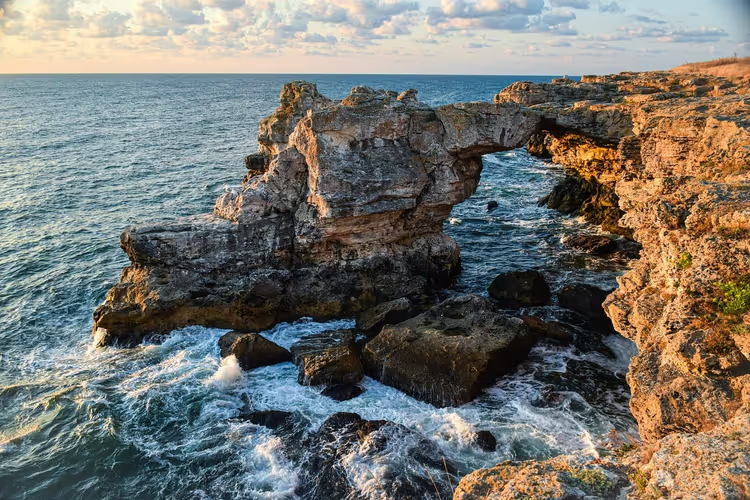
By September, the crowds at Rila Monastery thin out, and the sea stays warm. The vacation peak is over, and the country shifts into a calm mode: the same beaches and mountains, just without the heat and the crowds.
From January 1, 2026, Bulgaria switched from the lev to the euro at a fixed rate of 1.95583 per euro (as of 09/2026, ECB press release). Paying during your trip got simpler: you use a familiar currency and don't have to mentally convert every purchase.
Below, we've put together where to swim in September, which mountain routes are open in autumn, what to see in the old towns, and how to prepare for sudden weather changes at altitude.
Ad: this article contains affiliate links. We earn a commission if you book through them, at no extra cost to you.
September weather and what to pack
💡 In short:
- September on the coast is still beach season: the sea is warm, and the beaches are half empty.
- In the mountains, pack layers: at altitude, nights already bring frost and strong wind.
- Wine routes in the Thracian Valley and around Melnik coincide with the harvest.
September in the lowlands and on the coast remains a summer month. It's warm during the day, the water holds its August temperature, so you can stretch the swimming season by at least a couple of weeks. In the evening, a light jacket comes in handy: cool air drifts in from the sea.
The mountains are a completely different story. In the Rila, Pirin, and Stara Planina ranges, the weather can break within an hour: sunshine in the morning, and by evening your group gets caught in rain, an overnight frost, and strong wind. The contrast between the coast and the high mountains is huge, and it's easy to forget that when packing.
Region | What September is like here | What to bring |
|---|---|---|
Black Sea coast | velvet season, warm sea, cool evenings | swimsuit, windbreaker, sweater |
Sofia and the lowlands | warm dry days, fresh nights | t-shirt, sweater, light jacket |
Rila, Pirin, Stara Planina | sudden weather changes, overnight frosts | shell jacket, hat, warm socks |
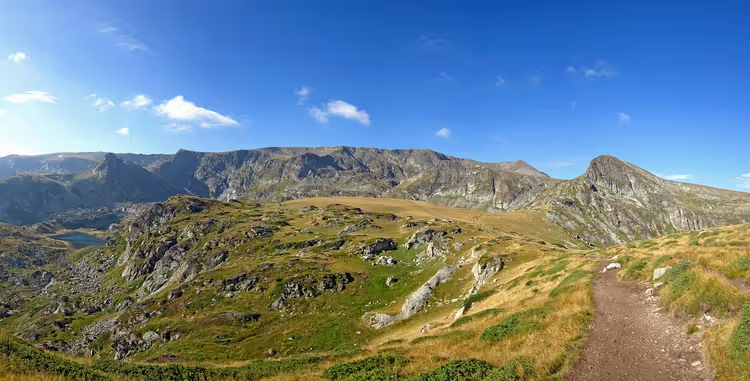
Check the forecast the evening before heading out on a route, and keep a rain jacket in your backpack no matter what the forecast says. Three layers are enough in your suitcase: a t-shirt, a sweater, and a shell jacket. On the coast, the first two will do; in Rila, you'll need the third.
Hiking routes in Rila, Pirin, and the Rhodopes
Autumn forests make the Bulgarian mountains more comfortable: almost no mosquitoes, dry trails, and leaves rustling underfoot. The views open up more because the trees are shedding their foliage. You choose a route based on your fitness, from a relaxed walk to a full ascent.
The seven Rila lakes
People usually start with the Seven Rila Lakes: a cascade of glacial lakes, each with its own character. The trails here are marked, so getting lost is unlikely. In autumn, visitors come for the red and gold slopes.
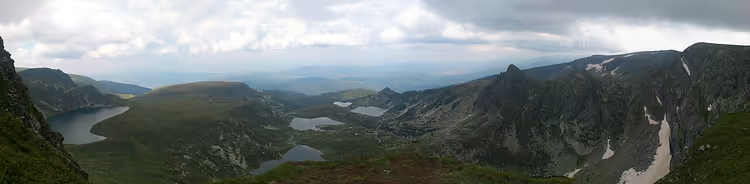 © Vance_95 · CC BY-SAPhoto: Vance_95, CC BY-SA (https://creativecommons.org/licenses/by-sa/4.0), Wikimedia Commons
- Difficulty: moderate, but the altitude is noticeable.
- Who it's for: those who want mountain views without mountaineering.
- The catch: the weather at the top changes instantly, and a group can easily get caught in wet snow.
Start in the morning: you'll complete the loop by lunchtime and get back before dark. In the evening, the pass is colder than the valley, and you feel it on the descent.
Pirin and the Rhodopes
Pirin and the Rhodopes are less famous, and that's exactly why they're quiet. In Pirin, you can climb Vihren, the country's second-highest peak. The Rhodopes greet you with gentle slopes and villages where life moves at a measured pace.
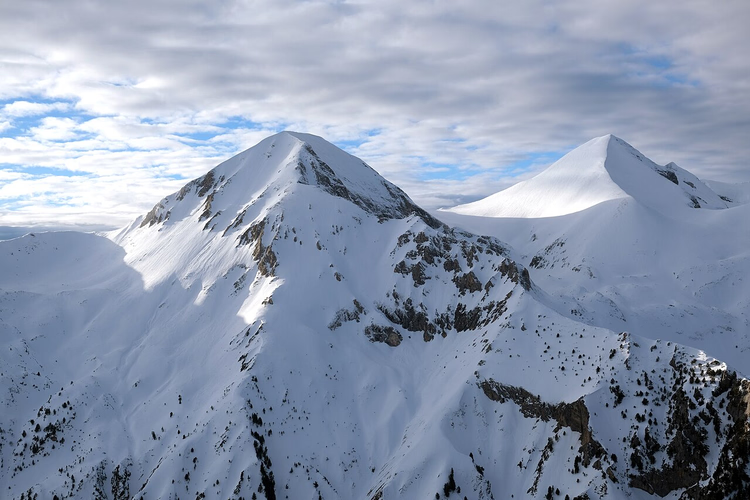 © kallerna · CC BY-SAPhoto: kallerna, CC BY-SA (https://creativecommons.org/licenses/by-sa/4.0), Wikimedia Commons
- Season: in September, the trails are dry and there are noticeably fewer people.
- Who it's for: those looking for quiet instead of viewpoints.
- The catch: the Vihren ascent is meant for experienced hikers.
The Rhodopes suit you if you want to combine walking with overnight stays in villages and unhurried evenings. There are fewer viewpoints here, but more quiet.
Vitosha near Sofia
Vitosha starts right at Sofia, and it's the easiest way to see the capital from above. The trails here are easy, chosen by families and those not ready for long ascents. Half a day is enough for a walk with a panorama of the city.
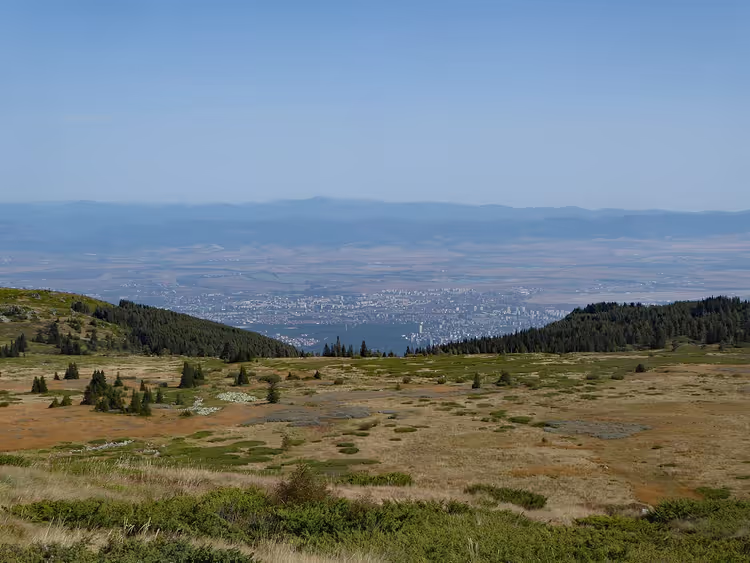 © Hans Birger Nilsen · CC BY-SAPhoto: Hans Birger Nilsen, CC BY-SA (https://creativecommons.org/licenses/by-sa/2.0), Wikimedia Commons
- Who it's for: a short mountain outing with no preparation.
- What to bring: water and a windbreaker; it's cooler at the top than in the city.
Route | Terrain | Who it suits |
|---|---|---|
Seven Rila Lakes | high-mountain loop past glacial lakes | those who want views in one day |
Vihren in Pirin | long ascent | experienced hikers |
Rhodopes | gentle slopes and villages | those looking for quiet |
Vitosha | easy trails near Sofia | a short walk with no preparation |
Historical sites of autumn Bulgaria
September makes sightseeing comfortable: you're no longer walking on scorching stone, and ticket lines are shorter than in high summer. The points on the country's map are conveniently located: in one trip, you can fit in a mountain monastery, an ancient city, and a medieval capital.
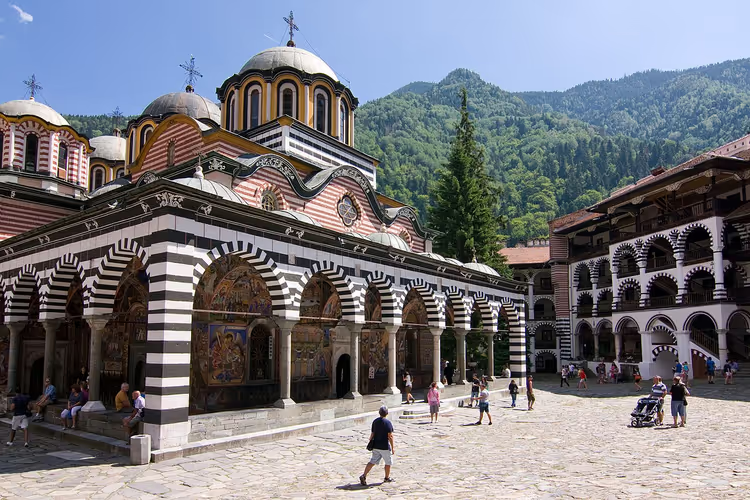 © Raggatt2000 · CC BY-SAPhoto: Raggatt2000, CC BY-SA (https://creativecommons.org/licenses/by-sa/3.0), Wikimedia Commons
Rila Monastery
Rila Monastery is a UNESCO World Heritage Site and is considered the country's largest monastery. It was founded in the tenth century by Saint John of Rila, and since then the monastery has remained the spiritual center of Bulgaria. Frescoes, an icon gallery, and museum halls await you inside the fortress walls.
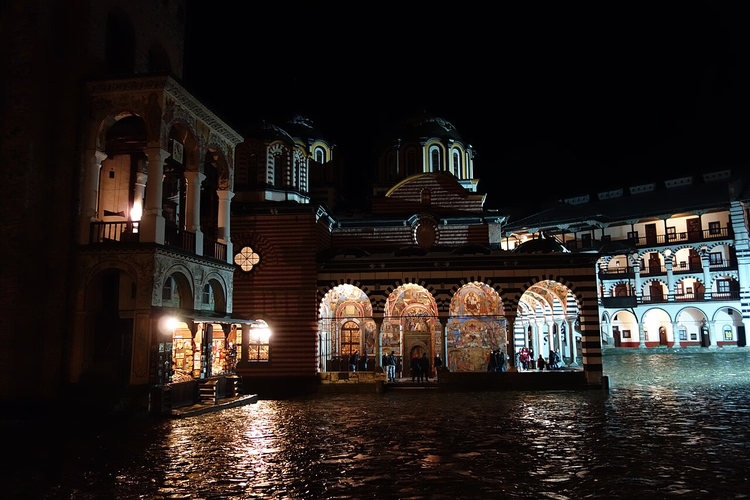 © Manastirile · CC BY-SAPhoto: Manastirile, CC BY-SA (https://creativecommons.org/licenses/by-sa/4.0), Wikimedia Commons
Museum, icon gallery, and Hrelio Tower hours vary by season, so check them before your trip. Visitor requirements and entry procedures are described on the monastery's official website, verified 09/12/2026.
- How to get there: about two hours from Sofia along a scenic road.
- Who it's for: those who want to see frescoes and mountains in one day.
- The catch: with the round trip, the excursion will take a full day.
Plovdiv Old Town
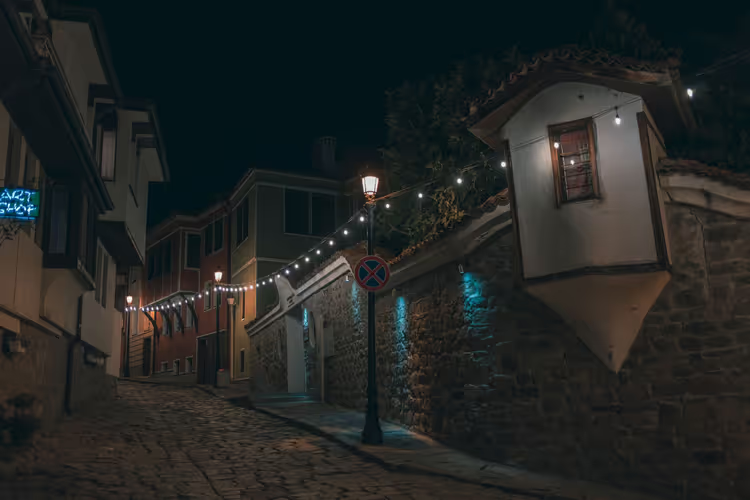
Plovdiv Old Town brings together Roman ruins, Ottoman architecture, and houses from the Bulgarian Revival period. You walk along narrow streets past tiled roofs, with cafes and small galleries tucked between them. Old and new sit side by side in the same neighborhood: from ancient ruins to a modern art installation is just a couple of minutes on foot.
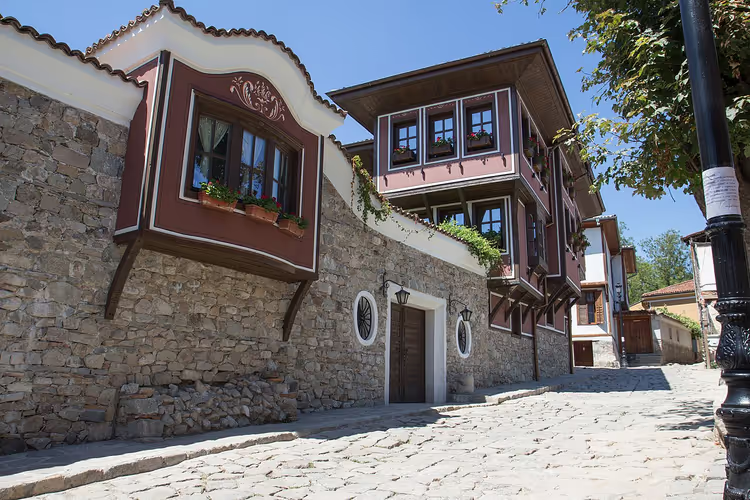 © Faces&&Places · CC BYPhoto: Faces&&Places, CC BY (https://creativecommons.org/licenses/by/2.0), Wikimedia Commons
- What to see: Roman ruins, Bulgarian Revival houses, galleries.
- Who it's for: those who enjoy walking and studying facades.
Veliko Tarnovo and Tsarevets fortress
Veliko Tarnovo sits on hills above the Yantra River, and Tsarevets Fortress is visible from almost everywhere. Old streets cling to the slope, and craft shops bring them to life. At sunset the walls are illuminated, so come in the evening if you want the panorama.
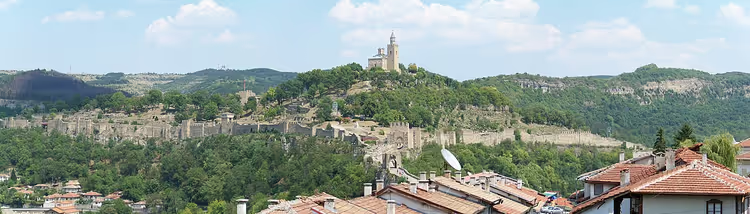 © www.vacacionesbulgaria.com · CC BY-SAPhoto: www.vacacionesbulgaria.com, CC BY-SA (https://creativecommons.org/licenses/by-sa/4.0), Wikimedia Commons
- What to see: fortress walls, the river panorama, the old quarter.
- Not for: those who aren't up for climbing stairs and slopes.
Visiting these three spots requires a car or organized transfer: the distances between them are significant. If you're short on time, set aside a full day for Rila Monastery, and put Plovdiv and Tarnovo on separate days.
Tours and tickets
Guided tours, skip-the-line tickets and activities — most offers can be cancelled free of charge.
See offers on GetYourGuideThe widget loads once you give your consent.
Before buying tickets, check the schedule: the fortress, museums, and galleries follow their own weekend hours.
Black Sea coast: you can still swim
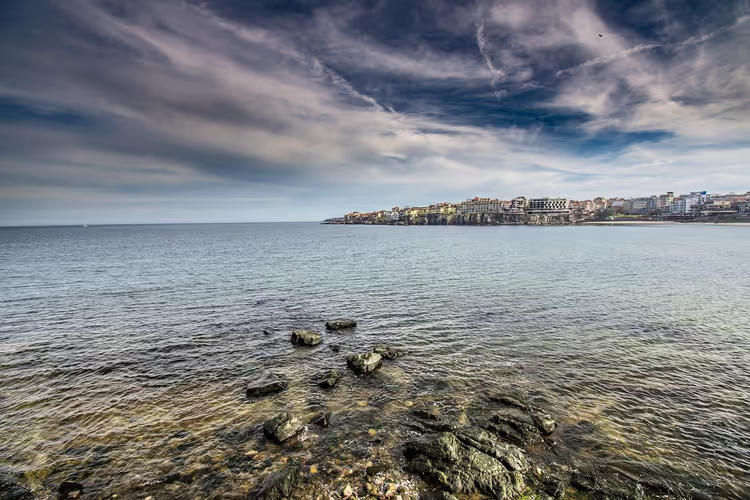
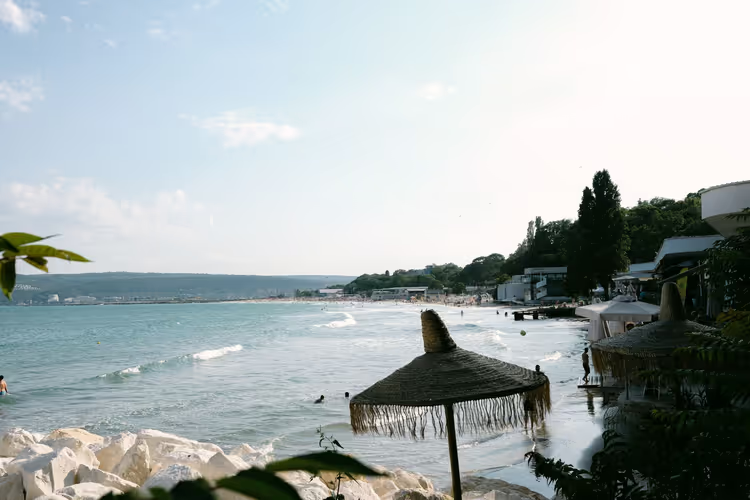
In September the coast settles into a gentle rhythm: the sun no longer beats down, the sea stays warm, and the beaches empty out by lunchtime. Evenings are cool, and the promenades get quieter. This kind of September works best if you can't stand heat and lines at cafes.
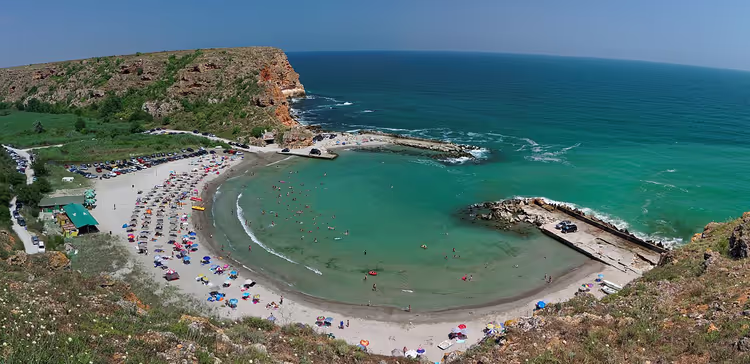 © Dimitar Bachvarov from Bulgaria · CC BY-SAPhoto: Dimitar Bachvarov from Bulgaria, CC BY-SA (https://creativecommons.org/licenses/by-sa/2.0), Wikimedia Commons
Nessebar
Nessebar sits on a narrow peninsula and is entirely listed as a UNESCO World Heritage site. Medieval churches survive here, and the cobblestone streets are pleasant to walk without rushing. Docks line the water, and the old houses look beautiful from the sea.
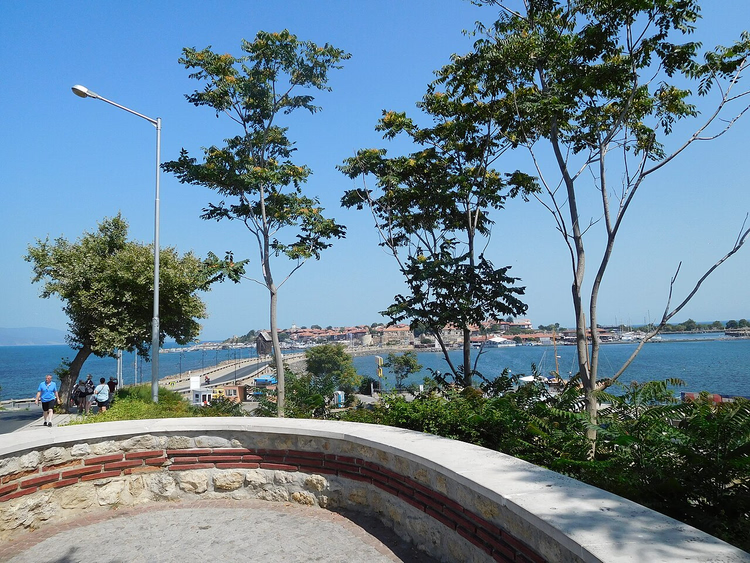 © AdrianB1964 · CC BYPhoto: AdrianB1964, CC BY (https://creativecommons.org/licenses/by/3.0), Wikimedia Commons
Sozopol
Sozopol is divided into the new town and the old town, which stands on a rocky cape. In the old quarter, stone houses stand close together, and quiet courtyards hide between them. The Apollonia festival turns the town into the coast's main stage.
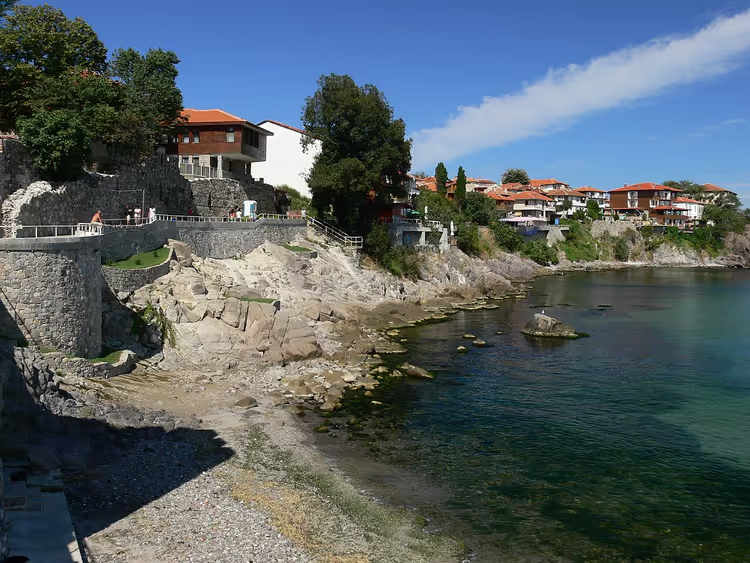 © Nenko Lazarov · CC BYPhoto: Nenko Lazarov, CC BY (https://creativecommons.org/licenses/by/2.5), Wikimedia Commons
- What to see: the old town, fishermen's houses, the view of the bay.
- The catch: during the festival the old town gets crowded, so book accommodation early.
Varna
Varna has plenty to do beyond the beach: Roman baths, the Archaeological Museum, and the large Sea Garden park. The park stretches along the shore, and you can walk through it from the center to the sea. Set aside a full day to explore the city.
- What to see: Roman baths, the Archaeological Museum, the Sea Garden.
Aladzha rock monastery
The rock Aladzha Monastery is carved into a limestone cliff near Varna. Monastic cells and a church survive right in the rock, and the viewing platform opens onto a forest view. Places like this show how hermits lived and are a good break from beach time.
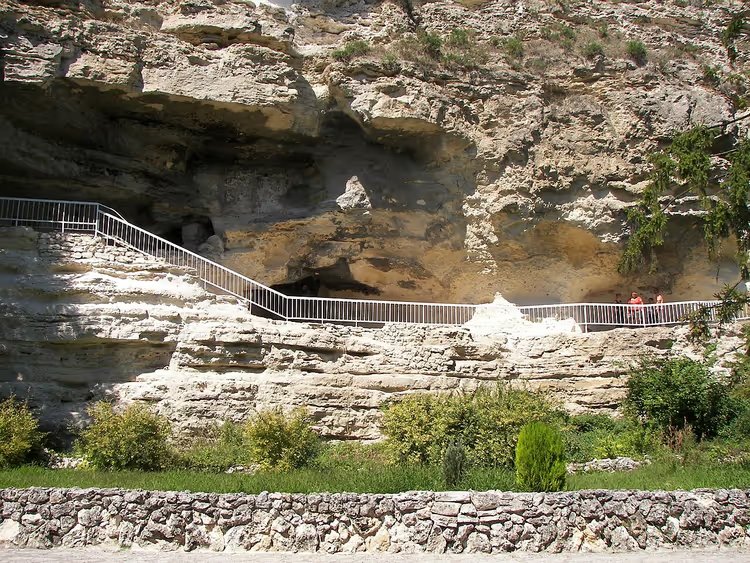 © www.vacacionesbulgaria.com · CC BY-SAPhoto: www.vacacionesbulgaria.com, CC BY-SA (https://creativecommons.org/licenses/by-sa/4.0), Wikimedia Commons
- Combine with Varna: it's usually a half-day trip.
- Who it's for: those who want to mix beaches with history.
The swimming season doesn't end by the calendar but by the weather: a warm September keeps the water pleasant until the end of the month. Get to the beach before noon; the wind picks up toward evening.
Grape harvest and wine routes
September is harvest time, so wineries open their cellars and invite visitors for tastings. You see how grapes are pressed and taste wine right by the vats. This kind of route pairs well with mountains and old towns.
Thracian Valley
The Thracian Valley is considered the country's main wine region: hills and vineyards stretch along the roads. Stop by Villa Yambol and Black Sea Gold, where tastings happen right in the vineyards. September sun makes the trip pleasant, and the views open up right from the terrace.
- What to bring: comfortable shoes; between wineries you walk on dirt.
- The catch: at the height of harvest wineries are busy, so arrange your visit time in advance.
Melnik wineries
Melnik is known for its grape variety and family-run wineries. In this small town you step into cellars where they pour full-bodied red wines straight from the barrels. In September winemakers work at full capacity, so the atmosphere here is lively.
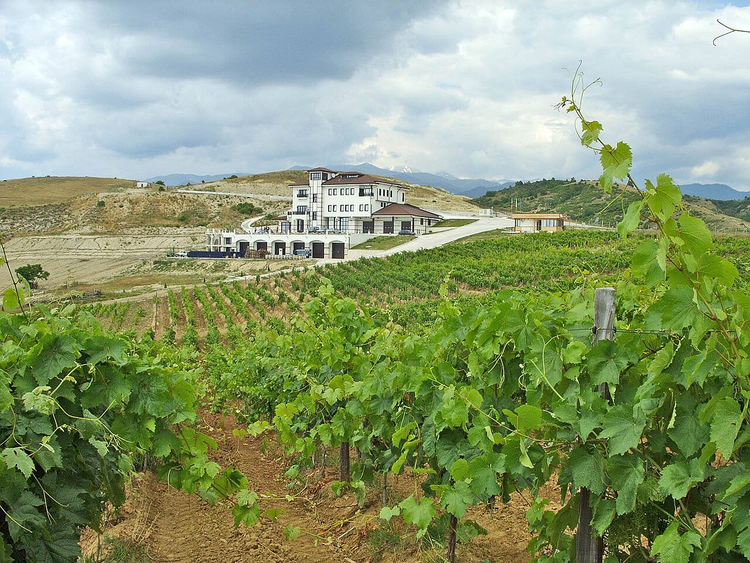 © Azikatanov · CC BY-SAPhoto: Azikatanov, CC BY-SA (https://creativecommons.org/licenses/by-sa/4.0), Wikimedia Commons
- Who it's for: those who want to talk to a winemaker without a line of tour buses.
Tastings in Bulgaria are usually short and relaxed: they pour you a few samples, tell you about the variety, and let you wander the grounds. The red wines here are full-bodied, the whites are fresh, and you'll find both on a single route.
September events: Apollonia and more
September in Bulgaria is alive with festivals, and the main one takes place in Sozopol. Apollonia brings together music, theater, film, and literature on one stage, so the program suits both music lovers and families.
The 42nd Apollonia festival runs from August 27 to September 6, 2026 (as of bg2.info, 09/2026). The program includes more than seventy events: concerts, theater productions, literary evenings, and exhibitions (as of Bulgaria News, 09/2026).
In Plovdiv, the Autumn Salon of Arts takes place in September: the city program is prepared by the municipality and partners. It brings together exhibitions, installations, and theater. If you're going to Plovdiv in the fall, check the schedule before your trip.
Event | Where | When |
|---|---|---|
Apollonia festival | Sozopol | late August - early September |
Autumn Salon of Arts | Plovdiv | September |
Harvest and tastings | Thracian Valley, Melnik | September |
Planning a trip around the festival is convenient: in Sozopol you combine concerts with the sea, and between events you can head to Nessebar or Varna. Tickets for popular evenings sell out early, so don't put off buying them.
What locals do in September
In September Bulgarian families prepare for the cold and fill their pantries for winter. In villages life gets busy: the harvest has to be processed before the rains. This is the best time if you want to see the country without the beach backdrop.
In September, courtyards fill with the smell of homemade lyutenitsa, a thick spread made from tomatoes, red peppers, and eggplant. You will catch its aroma in any village, because it is cooked in large batches. Try it fresh with bread, and take a jar home with you.
Grapes, peppers, and late tomatoes appear at markets, and these are exactly what go into preserves. Locals spend warm evenings in town squares while the weather still allows.
Practicalities: money, tickets, and transport
Cards are accepted almost everywhere; cash is needed in villages and at small markets.
Book tickets for Tsarevets Fortress, Varna museums, and festival evenings in advance. Choose country excursions based on your interests, from wine tours to monastery routes, and book ahead through the GetYourGuide excursion catalog.
Traveling around Bulgaria without a car is harder but doable: buses and trains run between Sofia, Plovdiv, and the coast. For mountain routes, renting a car is more convenient, because trails are located away from major cities.
Footwear and clothing matter more than transport: in the mountains you need boots with good tread, while on the coast sneakers are enough. Keep cash on hand for small expenses and a power bank, because a full day on the road drains your phone.
⁉️🤔 Frequently asked questions
Can you swim in Bulgaria in September?
Yes, the swimming season continues until the end of the month. The sea stays warm, and the air no longer gets scorching hot, so you can spend the whole day on the beach without the heat. Bring a windbreaker for the evening: cool air comes off the sea. In late September the weather varies from year to year, so check the forecast before your trip.
What about money and exchange rates in Bulgaria?
Since January 1, 2026, Bulgaria has been in the eurozone, and the lev exchange rate was fixed at 1.95583 per euro (as of 09/2026, Bulgaria's euro transition according to the ECB). You don't need a currency exchange if you're coming from a eurozone country. Cards are accepted almost everywhere, but keep cash for villages and small markets.
Is it worth going to the mountains in September?
Yes, if you're prepared for changeable weather. In Rila and Pirin the trails are dry, mosquitoes are few, and the views of autumn slopes are better than in summer. At higher elevations, frosts and strong winds already occur at night, so bring a membrane jacket, a hat, and an extra layer of clothing.
What events are on in September?
The month's main event, the Apollonia festival in Sozopol, runs from late August to early September. Plovdiv hosts the Autumn Salon of Arts, and the harvest with tastings begins in the Thracian Valley and Melnik. Check the schedule before your trip, because dates shift from year to year.
What should you try from the local cuisine in autumn?
Lyutenitsa, a thick spread made from tomatoes, red peppers, and eggplant. Eat it fresh with bread.
In short: what to book
September in Bulgaria combines the sea, mountains, and wine season, so it's convenient to build your itinerary around the coast and one mountain trip. The matrix is simple:
- If you have a week: choose Sozopol and Nessebar, and give the remaining days to Varna and Aladzha.
- If you have three days: choose Sozopol with festival evenings and Varna.
- If you have a car: choose the Plovdiv, Veliko Tarnovo, and Melnik loop.
Coastal accommodation gets booked up quickly, so compare options in advance: see hotels in Bulgaria on Trip.com.

A small editorial team writing guides for independent travel. We travel ourselves, but we haven’t been everywhere, so we check prices, opening hours and how to get there against official sources.