
















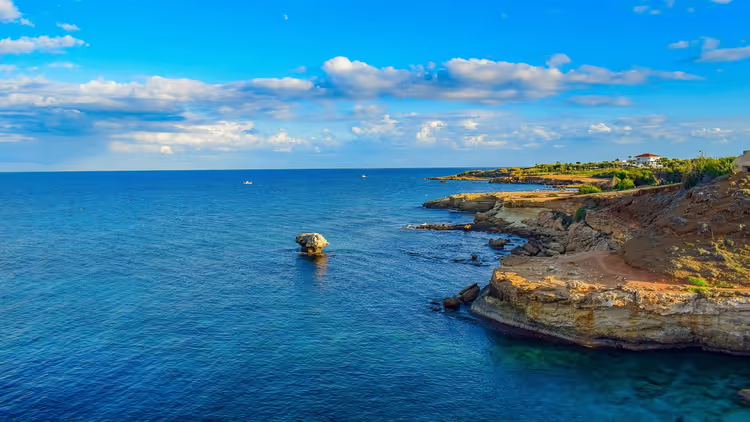
Cyprus: how to plan a vacation and which places to see on your first trip
Cyprus lies at the crossroads of the Eastern Mediterranean. In 2025, the island's two airports handled 13.75 million passengers, a record in the history of island aviation (as of 09/2026, Hermes Airports). The island is compact, yet it combines beaches, mountains, and ancient ruins. Two tourist zones coexist here: the Greek side in the south and the Turkish side in the north.
Many people visit Cyprus for the first time and don't realize that the island is not part of the Schengen Area. Add summer heat and left-hand traffic to that, and preparation becomes more important than it seems. Below: visa rules, transportation, accommodation, cuisine, and the island's main sights worth seeing.
Ad: this article contains affiliate links, we earn a commission if you book through them, at no extra cost to you.
What to know before you go
💡 In short:
- EU citizens don't need a visa: Cyprus has been in the EU since 2004, entry with an ID card.
- Choose your season: mildest in March and April, hottest in July and August.
- Book accommodation in advance, because the south and north of the island are booked separately.
- Visa rules and fees: 09/2026, verified on the Republic of Cyprus website.
History of the island
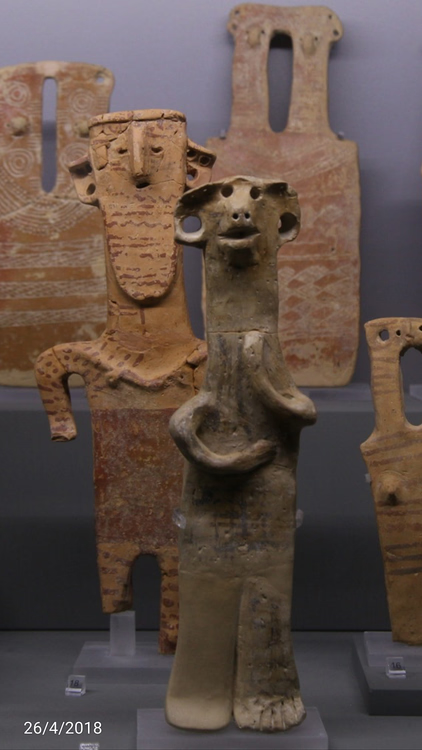
Because of its favorable position in the Mediterranean, Cyprus constantly changed hands. It was conquered by Alexander the Great and later by King Richard the Lionheart. For a time, its own royal dynasty ruled here. Then the island was controlled by the Venetian Republic, the Ottoman Empire, and Great Britain until it gained independence. Since the middle of the last century, the Greek and Turkish communities have been in conflict, and the island is formally divided into the Republic of Cyprus and the Turkish Republic of Northern Cyprus. The northern part is recognized only by Turkey.
 © Jorge6880 · CC BY-SAPhoto: Jorge6880, CC BY-SA (https://creativecommons.org/licenses/by-sa/4.0), Wikimedia Commons
Where Cyprus is located and when to go
The island lies in the eastern part of the Mediterranean Sea. Its closest neighbors by sea: Egypt, Lebanon, Syria, and Turkey. The territory is small, about 225 km from west to east and 96 km from north to south (on the map). The coastline, however, is long, almost 780 km (on the map). Summer is hot and dry: the air heats up, but humidity is low and the heat is easier to bear than in the tropics. If you don't handle heat well, choose March or April. In spring it's already warm, the sea gradually warms up, and beaches and lines are calmer.
Season | Weather | What's good about it |
|---|---|---|
March-April | warm, sea is cool | few tourists, mild heat |
May-June | warm sea | best balance of weather and prices |
July-August | very hot and dry | all beaches open, high prices |
September-October | warm, sea is warm | velvet season, fewer people |
Cyprus visa
The Republic of Cyprus joined the European Union in 2004 but is not part of the Schengen Area. EU citizens don't need a visa; an ID card is enough for entry. Tourists from countries with visa requirements need a Cyprus visa. Cyprus has harmonized its visa procedures, document package, and fees with Schengen countries (as of 09/2026, gov.cy). For the visa, prepare your passport, application form, photo, accommodation booking, and proof of funds. A decision usually comes within a couple of weeks. A visa sometimes requires an insurance policy, so compare options in advance. Check the exact fee amount with the consulate before submitting your documents.
Transportation: airports, buses, and cars
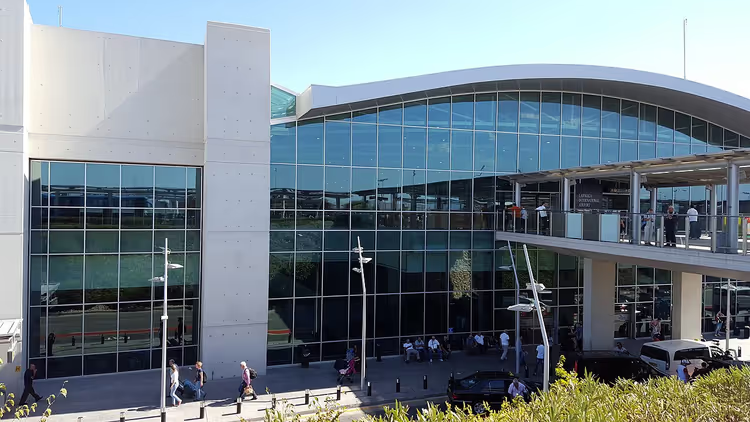
Tourists arrive on the Greek side of the island in two ways. The main hub: Larnaca Airport in the southeast, which handles most of the passenger traffic (as of 09/2026, according to airport operator statistics). The second international airport is in Paphos in the west.
Airport | Location | Convenient for |
|---|---|---|
Larnaca | southeast, near the city of Larnaca | Ayia Napa, Protaras, Limassol, Nicosia |
Paphos | west of the island, 6 km from Paphos (on the map) | Paphos and the west coast |
Ercan | 8 km from Nicosia (on the map) | northern part of the island |
The northern part is visited via Ercan Airport; all flights there stop in Turkey. Several ports connect the island by sea: in Limassol, Larnaca, and Paphos. Cruise ships and yachts dock here. Buses run between cities; a ticket costs a couple of euros (as of 09/2026, Cyprus Public Transport). Schedules are less frequent than in Europe, especially on weekends, so check times in advance.
 © Phpeter · CC BY-SAPhoto: Phpeter, CC BY-SA (https://creativecommons.org/licenses/by-sa/4.0), Wikimedia Commons
Taxis run around the clock, cars have meters, but drivers often offer a fixed price. For longer trips around the island, rent a car: that way you choose your own pace and route. The price depends on the season and car class. Remember that traffic drives on the left and get used to the junctions gradually. If you are flying from Europe, compare flights on Kiwi.com.
Accommodation: resorts, hotels, and rentals
There are several major resorts in the south: Larnaca, Paphos, Protaras, Limassol, and Ayia Napa. In the north, they are Kyrenia and Famagusta. Accommodation varies widely in price: from budget guesthouses to five-star hotels and villas with a pool. For a family, an apartment or a mid-range hotel is usually convenient, where you get more space and a kitchen for the same money.
If you are going for a month or longer, look into renting an apartment or studio. This often works out cheaper than a hotel, especially in the off-season. The most expensive options are beachfront villas with a pool. Seasonality affects everything: prices are higher in summer and during holidays, while winter is quieter and cheaper. Finding a hotel in Cyprus is easiest when you search by each resort separately.
Cypriot cuisine: what to try
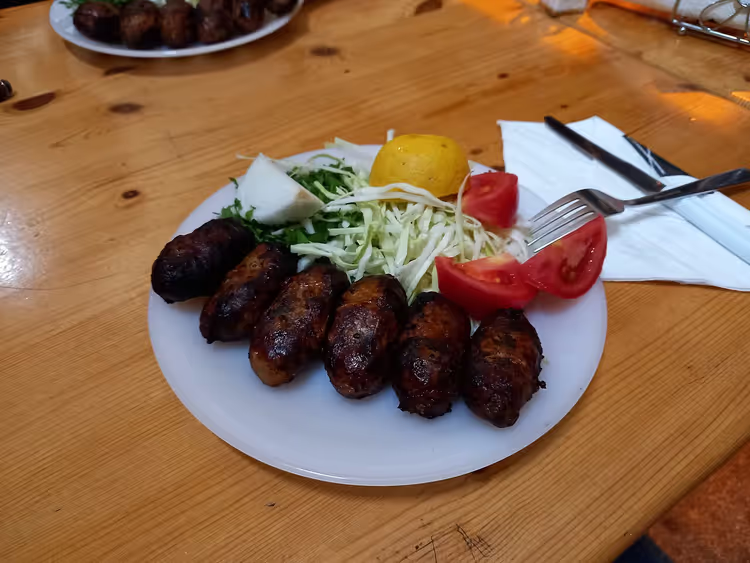
Cypriot cuisine blends Greek and Turkish traditions. The island is rich in fresh fruit, especially citrus. The most commonly used vegetables are potatoes, cucumbers, tomatoes, and eggplant. Strawberries bear fruit almost all year round, so they are worth buying at the market. Lamb, pork, and poultry are popular meats, while beef is rarely cooked.
Be sure to try gyros: pieces of meat from a vertical rotisserie, wrapped in pita with french fries, greens, tomatoes, and a yogurt sauce. Desserts are usually made from dough with nuts and honey. Sweet loukoumades doughnuts, kataifi, or daktyla are a great way to finish a hearty meal.
Seafood is best prepared in coastal cafes: grilled calamari, mussels with feta cheese, octopus in red wine. Among soups, try avgolemono with lemon, the taste will pleasantly surprise you. If you want to cover everything at once, order meze, a set meal made up of many courses. First come salads, then baked vegetables and cheeses, then hot meat and fish dishes.
 © Pampos1997 · CC BY-SAPhoto: Pampos1997, CC BY-SA (https://creativecommons.org/licenses/by-sa/4.0), Wikimedia Commons
Cyprus attractions
The island has plenty of places for any interest: ancient ruins, medieval fortresses, nature parks, and sea coves. Most locations are concentrated around Paphos, Limassol, and Ayia Napa. Below is a quick word about each one so you can set your priorities.
Baths of Aphrodite
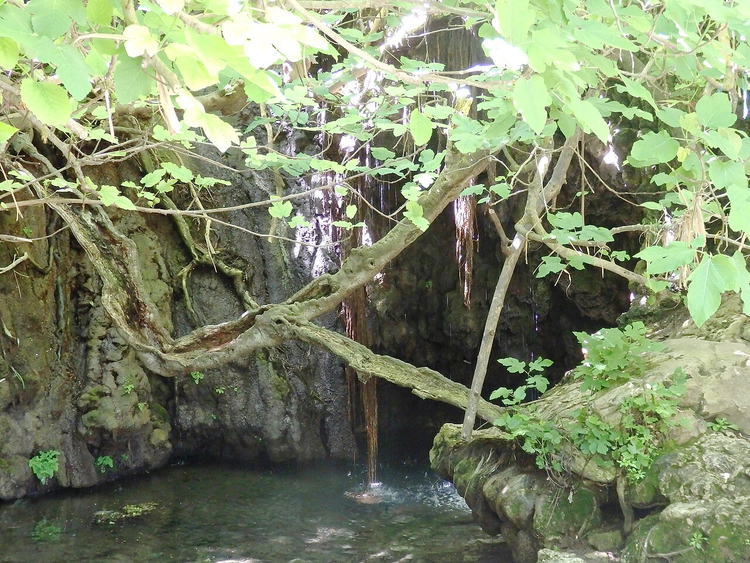
According to Greek legend, Aphrodite met her lovers here. The goddess's bath looks like a small grotto in the rock, surrounded by lush greenery. The water stays cool all year round because of underground springs. How to get there: about 50 km from Paphos on the road to Petra tou Romiou (see map). Come in the morning, it gets crowded in the afternoon.
- The catch: the spot is not suitable for swimming, the water is shallow.
 © Hermann Junghans · CC BY-SAPhoto: Hermann Junghans, CC BY-SA (https://creativecommons.org/licenses/by-sa/3.0/de/deed.en), Wikimedia Commons
Tombs of the Kings, Paphos
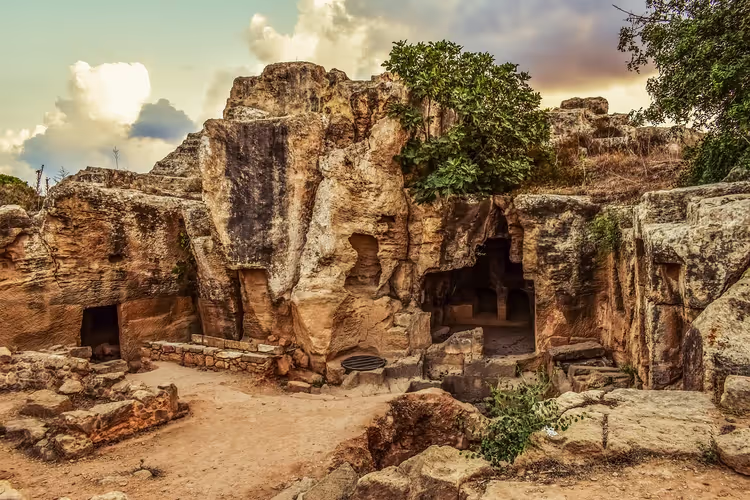
The ancient necropolis was carved into the rocks long before our era. Inside, it forms a whole complex of rooms, staircases, and passageways. Noble figures from Roman times were buried here. Some chambers imitate palace quarters with frescoes and columns. Plan at least an hour: the site is large and there is little shade.
Petra tou Romiou
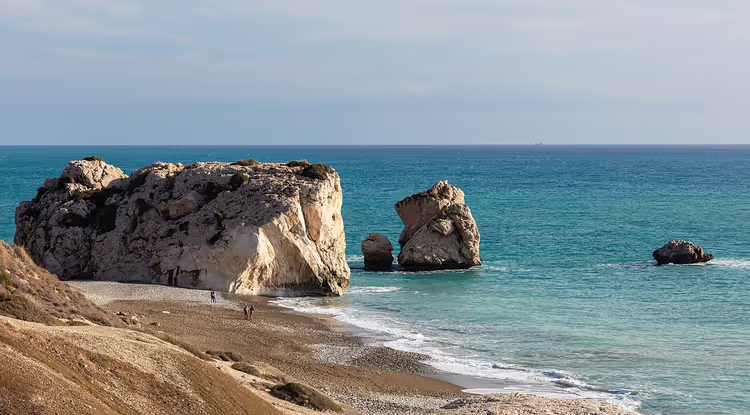
Another place connected with Aphrodite: according to legend, the goddess emerged from the sea foam right here. This is a rocky stretch of beach with unusual boulders and blue sea. You can swim, but the shore is rocky, so bring water shoes. The best time for photos: early morning or sunset.
 © Diego Delso · CC BY-SAPhoto: Diego Delso, CC BY-SA (https://creativecommons.org/licenses/by-sa/4.0), Wikimedia Commons
Akamas National Park
The park combines coniferous forests, pebble beaches, sandy coves, and rare species of plants and animals. The main highlight: the Avakas Gorge between sheer cliffs, with a mountain river flowing below. You can only get there by car, public transport does not go here. Bring water and a hat.
Kolossi Castle
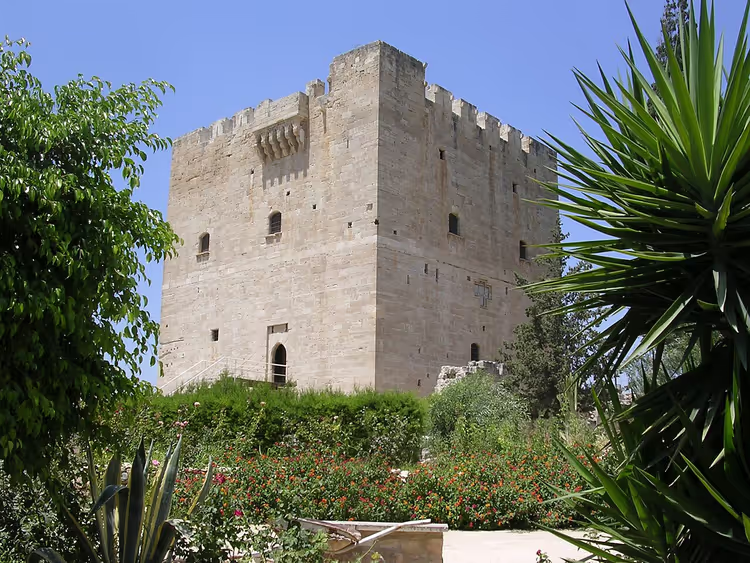
The medieval fortress was built for the Knights Hospitaller. The tower walls are very thick, over a meter, so it stays cool inside in the heat. Frescoes and old details have survived. It is worth stopping by on the way between Limassol and Paphos, the visit takes less than an hour.
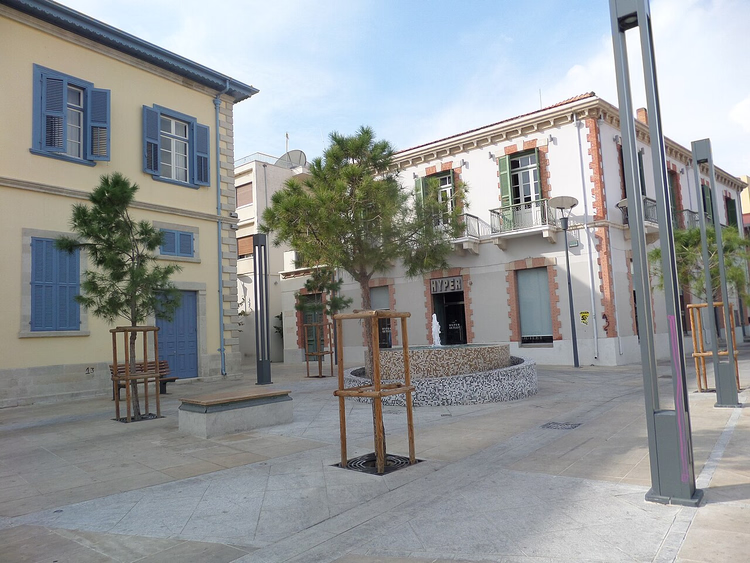
Limassol Old Town
The historic center of Limassol draws visitors with its narrow streets and small houses. Start from the promenade at the old port, then head toward the cathedral. Along the way you will pass mosques, souvenir shops, and cozy cafes. A couple of hours is enough for a relaxed walk.
 © Xaris333 · CC BY-SAPhoto: Xaris333, CC BY-SA (https://creativecommons.org/licenses/by-sa/3.0), Wikimedia Commons
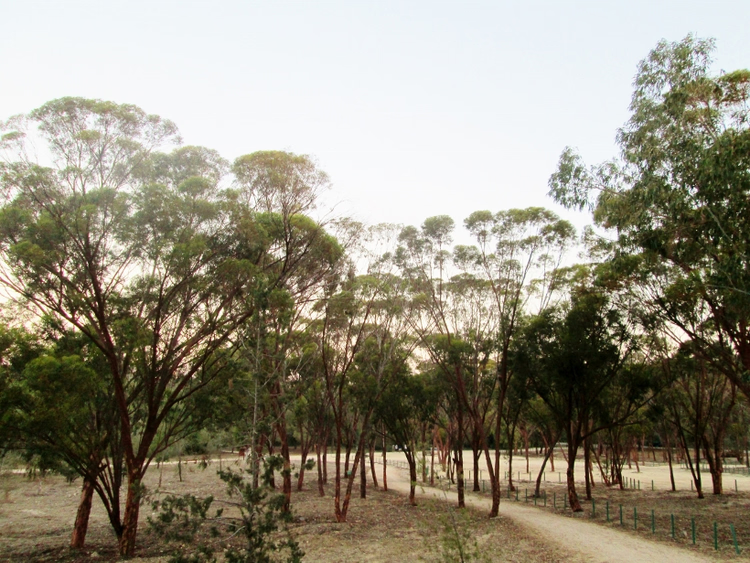
Eucalyptus grove
Along the Limassol coast stretches a eucalyptus grove about one and a half kilometers long (see map). In the heat, it is pleasant to walk in the shade and breathe in the aroma of eucalyptus. The place is free and open around the clock. Bring water, there are no shops nearby.
 © Nicosiaparks · CC BY-SAPhoto: Nicosiaparks, CC BY-SA (https://creativecommons.org/licenses/by-sa/3.0), Wikimedia Commons
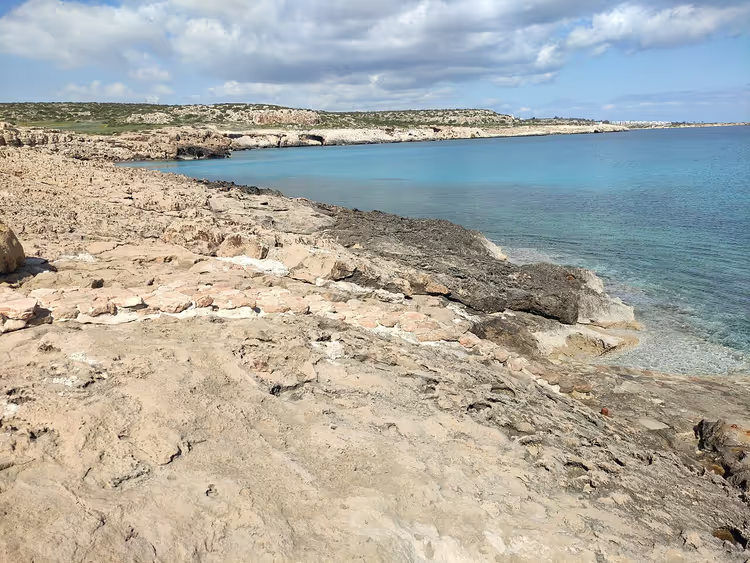
Blue lagoon, Ayia Napa
Azure water, rocks, and schools of bright fish make this cove popular with photographers. Nearby there are caves half-filled with water. The easiest way to get here is by boat tour from Ayia Napa or by car along a dirt road.
- The catch: in summer there are a lot of people here, come at opening time.
 © Fry72, Karel Frydrýšek · CC BY-SAPhoto: Fry72, Karel Frydrýšek, CC BY-SA (https://creativecommons.org/licenses/by-sa/4.0), Wikimedia Commons
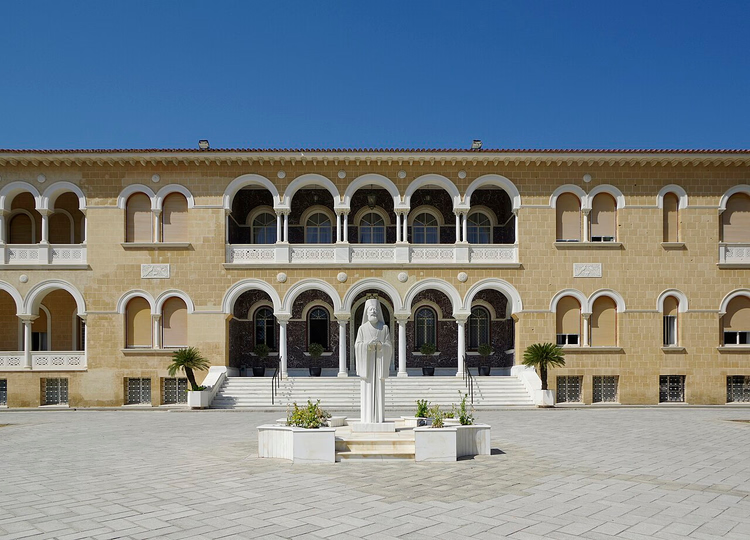
Archbishop's Palace, Nicosia
From the outside, the palace looks like a medieval Venetian building, but it was built from scratch in the middle of the last century. Inside, the bedroom of Archbishop Makarios has been preserved, and even his heart is kept here in a special vessel. The palace operates as a museum, details and hours are best checked on site.
 © Berthold Werner · CC BY-SAPhoto: Berthold Werner, CC BY-SA (https://creativecommons.org/licenses/by-sa/4.0), Wikimedia Commons
Ancient city of Soli, Morphou
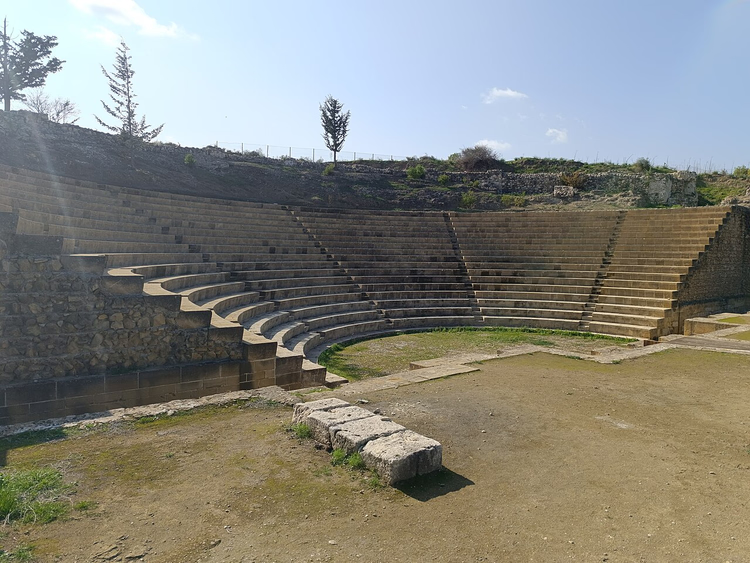
An ancient city on the northern coast of the island. Only ruins remain of the temples and palaces, but they make it easy to imagine the scale of the buildings. It is quiet here and there are few tourists, so you can walk calmly among the columns. You can only get there by car.
 © ToprakM · CC BY-SAPhoto: ToprakM, CC BY-SA (https://creativecommons.org/licenses/by-sa/4.0), Wikimedia Commons
Buffavento Castle
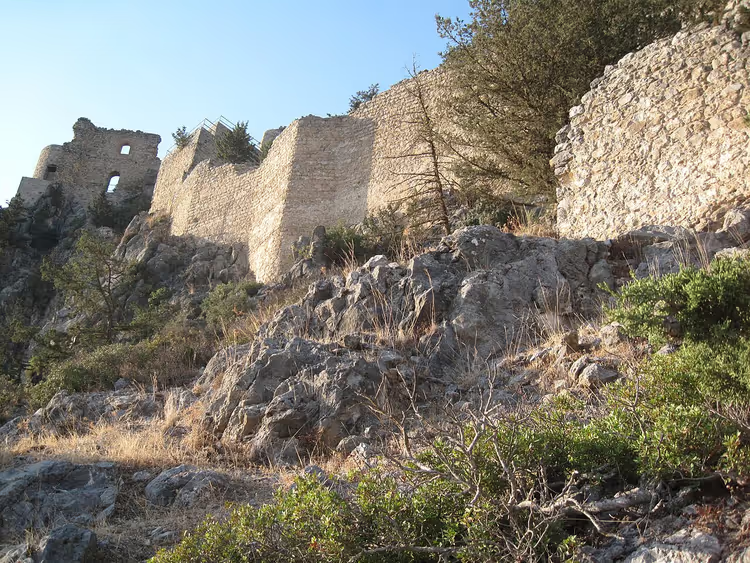
Three medieval castles stand on the Kyrenia mountain range, and Buffavento is one of them. The fortress was built by the Byzantines to defend against the Arabs. The climb is long and hard in the heat, bring water and wear comfortable shoes. In return, you get a panorama of the entire island.
 © Dickelbers · CC BY-SAPhoto: Dickelbers, CC BY-SA (https://creativecommons.org/licenses/by-sa/3.0), Wikimedia Commons
Selimiye Mosque in Nicosia
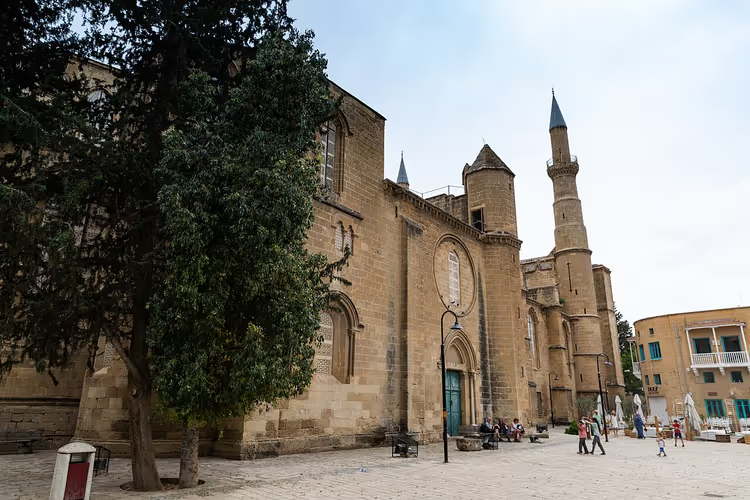
The mosque's minarets have risen above Nicosia since the 13th century. Originally a Gothic cathedral stood here, and during the Ottoman period the building was converted into a mosque: the old interior was removed and a minaret was added. You'll be greeted by massive columns, mosaics, and carved windows. Visitors are allowed inside outside of prayer times, but clothing must cover shoulders and knees.
 © dronepicr · CC BYPhoto: dronepicr, CC BY (https://creativecommons.org/licenses/by/2.0), Wikimedia Commons
Tours and tickets
Guided tours, skip-the-line tickets and activities — most offers can be cancelled free of charge.
See offers on GetYourGuideThe widget loads once you give your consent.
⁉️🤔 Frequently asked questions
Do I need a visa for Cyprus as a tourist?
EU citizens do not need a visa and can enter with an ID card. Cyprus is part of the European Union but not the Schengen Area. Tourists from countries with visa requirements need a Cyprus visa. A decision usually comes within a couple of weeks. Check the exact requirements with the consulate in advance.
When is the best time to visit Cyprus?
The mildest weather is in March and April: the air is warm, the sea gradually heats up, and there are fewer tourists. Summer is very hot and dry, so excursions are moved to the morning and evening. In winter the coast is cool and quiet, but accommodation is cheaper. For a beach vacation, people most often choose May, June, September, and October.
Which Cyprus resort should I fly to for a first visit?
If you want sand and peace, look at Protaras or Ayia Napa in the southeast. For a city and a promenade, Limassol works well, and for history and archaeology, Paphos is a good base. Larnaca is convenient because of its proximity to the airport. In the north, Kyrenia and Famagusta welcome tourists, but you get there via the separate Ercan airport.
How much does a vacation in Cyprus cost?
The total depends on the season, hotel class, and meal plan. Budget guesthouses are cheaper, mid-range apartments are convenient for families, and seaside villas cost the most. Prices are lower in winter and higher in summer. Compare offers in advance and book accommodation before buying tickets.
In short: what to book
The plan is simple: first accommodation near your main destinations, then tickets and excursions. If you want beach and peace, book a hotel in Protaras or Ayia Napa. If history and archaeology matter, stay in Paphos or Limassol. For a short trip, a base in Larnaca is enough. Choosing a hotel on Trip.com is convenient for all the island's resorts at once.

A small editorial team writing guides for independent travel. We travel ourselves, but we haven’t been everywhere, so we check prices, opening hours and how to get there against official sources.