
















11 Cyprus resorts 2026: beaches, quiet and nightlife
Cyprus is associated with a single beach for many people. In reality, the island is divided into dozens of different resorts. On one shore, clubs are buzzing; on the other, the quiet of fishing villages reigns. The choice of destination determines what kind of vacation you get: family-friendly, sightseeing-focused, or party-oriented.
We have put together eleven Cyprus resorts and broken them down by sea, season, and type of vacation. You will see where the water is shallower and warmer, where to go for history, and where it is calmest. For reference: the island has 56 Blue Flag beaches, including 54 beaches and two marinas (as of 09/2026, Cyprus tourism office). Water quality along the coast remains at the highest level in Europe.
Ad: this article contains affiliate links. We earn a commission if you book through them, at no extra cost to you.
Where to stay in Cyprus: our pick
💡 In short:
- Ayia Napa and Protaras: shallow warm sea, water parks, and nightclubs.
- Paphos and Polis: ancient ruins, Akamas nature, and quiet beaches.
- Limassol and Larnaca: large cities with airports and well-developed infrastructure.
The island's resorts differ in sea, prices, and atmosphere. In some places, sand and a gentle entry into the water matter most; in others, excursions and quiet are more important. Compare destinations by the main criteria.
Resort | Sea | Who it's for | Season |
|---|---|---|---|
Limassol | sandy beaches, gentle entry | families and city lovers | April-November |
Paphos | bays and rocks | history lovers | May-October |
Larnaca | shallow, sandy | families with children | April-October |
Ayia Napa | shallow, sandy | young people and club-goers | May-October |
Protaras | clean, shallow | families with toddlers | May-October |
Pissouri | sand and pebble | quiet vacations | May-October |
Peyia | calm bays | family all-inclusive | May-October |
Kyrenia | sandy, warm | quiet beach time | May-October |
Polis | uncrowded | nature and yachts | May-October |
Latchi | sand and pebble | seclusion | May-October |
Oroklini | sandy, dark | families near Larnaca | May-October |
1. Limassol
 © Xaris333 · CC BY-SAPhoto: Xaris333, CC BY-SA (https://creativecommons.org/licenses/by-sa/3.0), Wikimedia Commons
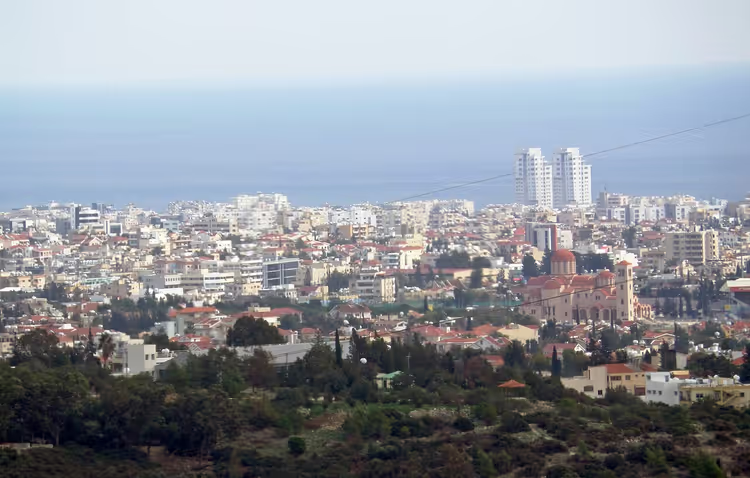
Limassol stretches along the southern coast and remains the island's largest resort city. It has a long promenade, dozens of hotels, and well-developed urban infrastructure. You will find both well-maintained city beaches and quiet bays within a half-hour drive from the center.
To the west lies the long sandy beach of Lady's Mile. Both tourists and locals love it, and there is enough space even at the height of the season. Paved paths run along the shore, and cafes and snack bars with reasonable prices are open.
Further east is Governor's Beach, about 30 km from the center (on the map). It is surrounded by white chalk cliffs, and the water here is clear. The entry into the water is gentle, so swimming with small children is easy. Divers, fishermen, and snorkeling enthusiasts come here.
The city has fish taverns, cafes, and restaurants for every budget. In the evening, the promenade stays lively. Bars are open, and concerts and festivals take place in summer.
- Who it's for: families with children and those who enjoy an urban pace.
- The catch: Governor's Beach is far from the center; getting there without a car takes a long time.
Hotels in Limassol on Trip.com
2. Paphos
 © Jules Verne Times Two · CC BY-SAPhoto: Jules Verne Times Two, CC BY-SA (https://creativecommons.org/licenses/by-sa/4.0), Wikimedia Commons
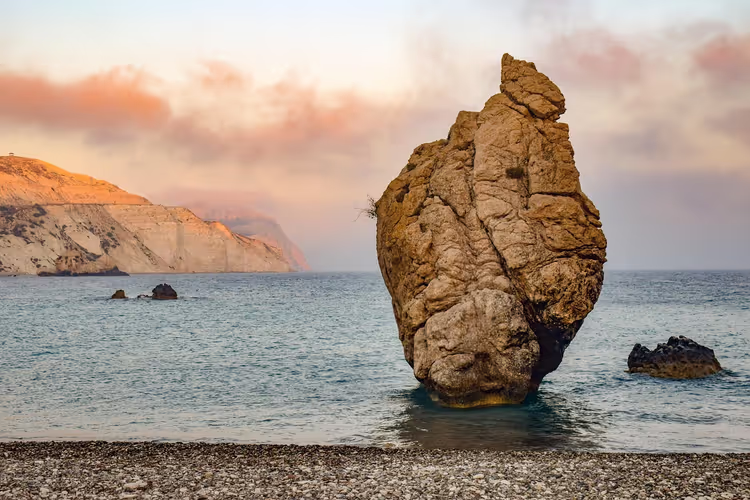
Paphos sits in the southwest of the island and is considered the birthplace of Aphrodite. According to myth, the goddess emerged from the sea foam near these shores. A temple, a rock, and baths are named after her, and Aphrodite's Rock itself lies about 25 km from the city (on the map).
Paphos has many ancient historical monuments, so you can easily combine beach time with sightseeing. Travelers descend into the catacombs of the early Christians and the cave of Saint Solomoni. Paphos Castle by the harbor remains the city's main landmark. It was built by the Byzantines and later rebuilt by the Venetians and the Turks.
The city has several museums with exhibits on the centuries-long history of Paphos. There is a modern marina and beaches in the bays. In the evening, it is pleasant to stroll along the promenade of the lower town.
- Who it's for: lovers of history, ruins, and excursions.
- The catch: some sites are scattered around the area; you need a car to reach them.
3. Larnaca
 © Michal Klajban · CC BY-SAPhoto: Michal Klajban, CC BY-SA (https://creativecommons.org/licenses/by-sa/4.0), Wikimedia Commons
Larnaca stretches along the southeastern coast and has one of the longest histories on the island. Some archaeologists consider it the oldest city in Cyprus. The name is linked to the Greek word "larnakes," which was used for the sarcophagi found here.
The sea near the shore is shallow, the bottom is sandy, and hotels stand close to the promenade. This kind of vacation suits families with children and those who enjoy provincial quiet. The city beaches have been awarded the Blue Flag for water cleanliness (as of 09/2026, VisitCyprus catalog).
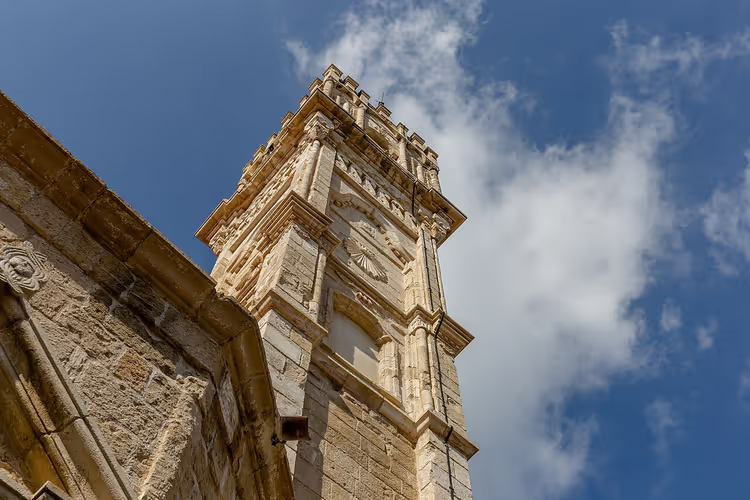
The city is home to the Church of Saint Lazarus, built by the Byzantines, and the medieval Larnaca Castle. Nearby is the Hala Sultan Tekke mosque, an important site for Muslims.
Outside the city lies the Salt Lake. From October, pink flamingos arrive there. In summer, the lake dries up and becomes covered with a salt crust. Divers come here for the wreck of the Zenobia, one of the Mediterranean's famous underwater tourism sites.
- Who it's for: families with kids and couples looking for a quiet stay.
- The catch: little nightlife, you have to go to Ayia Napa for clubs.
4. Ayia Napa
 © Максим Улитин · CC BYPhoto: Максим Улитин, CC BY (https://creativecommons.org/licenses/by/3.0), Wikimedia Commons
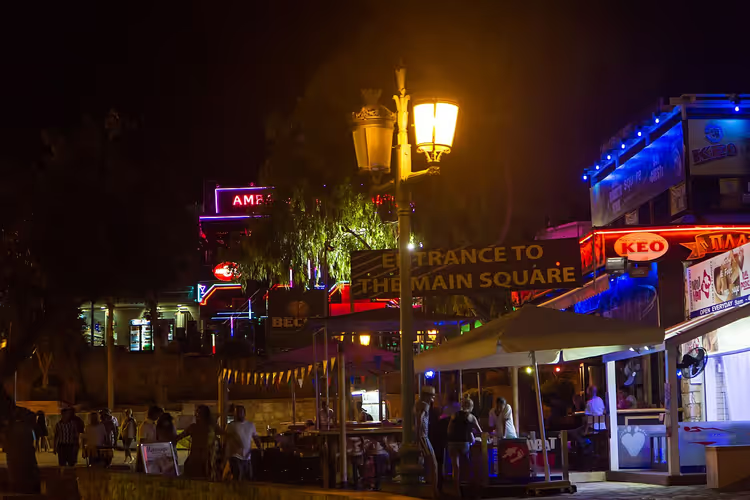
Ayia Napa occupies the eastern tip of the island. The resort is known as the "second Ibiza" and welcomes visitors from all over Europe. By day it offers sandy beaches and warm water; by night, clubs with guest DJs open their doors. You can vacation here with family or with friends.
The area's history goes back to antiquity, when the island was a battleground between different religions. The town got its name from the Ayia Napa Monastery, which stands in the center and serves as a landmark for walks.
The town's coastline has been awarded the Blue Flag for cleanliness and amenities (as of 09/2026, Cyprus tourism office). The water entry is gradual, so even beginners can swim comfortably. The local shore is considered one of the safest for swimming on the island.
The beaches have water sports stations. You can take diving lessons, go water skiing, or rent a catamaran. Kids have water slides and attractions. Fishing enthusiasts will also find something to enjoy.
Active recreation doesn't end at sunset: dive centers, boat rentals, and windsurfing schools stay open. In summer, club life doesn't quiet down until morning. If you need quiet sleep, stay away from the center. The resort is connected to Larnaca Airport and receives direct flights from many European cities.
- Who it's for: young people, couples, and families with teenagers.
- The catch: the center is noisy in summer, clubs run until morning.
Hotels in Ayia Napa on Trip.com
5. Protaras
 © AyianapaProtaras · CC BY-SAPhoto: AyianapaProtaras, CC BY-SA (https://creativecommons.org/licenses/by-sa/3.0), Wikimedia Commons
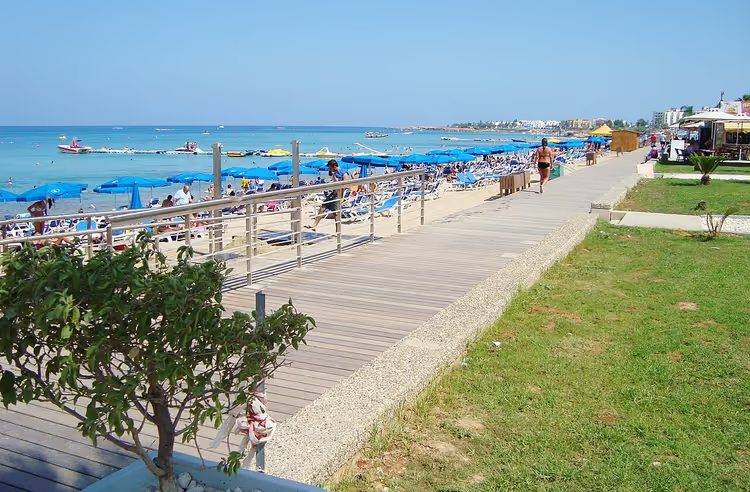
Protaras lies east of Ayia Napa and remains noticeably calmer than its neighbor. People once came here for quiet and a connection with nature. There are hotels and bars, but fewer city crowds. Tourists come here for the beaches and nature.
The beaches around town are well equipped and known for fine, clean sand. The sea entry is gradual, so it's easy for little ones to swim. Flamingo Beach is valued for its calm water and long stretch of shallows. Upscale hotels line Sunrise Beach.
Nearby lies Cape Greco, part of a national park with clear water and caves. Close by is the fishing village of Liopetri, where the old way of life has been preserved.
Accommodation here suits every taste: hotels, guesthouses, apartments, and villas. You'll find an option for both families and couples. Kids will enjoy the water park and aquarium, while adults will appreciate tavernas serving Cypriot cuisine. The historical museum and the Church of Prophet Elijah hold ancient frescoes. Divers choose this area for visibility and the absence of strong currents.
Most of Protaras's attractions are nature-related, so exploring the surroundings takes a full day. On the beaches you can rent umbrellas, sunbeds, and sports equipment.
- Who it's for: families with young children and fans of quiet beaches.
- The catch: less nightlife than in neighboring Ayia Napa.
Hotels in Protaras on Trip.com
6. Pissouri
 © Xaris333 · CC BY-SAPhoto: Xaris333, CC BY-SA (https://creativecommons.org/licenses/by-sa/4.0), Wikimedia Commons
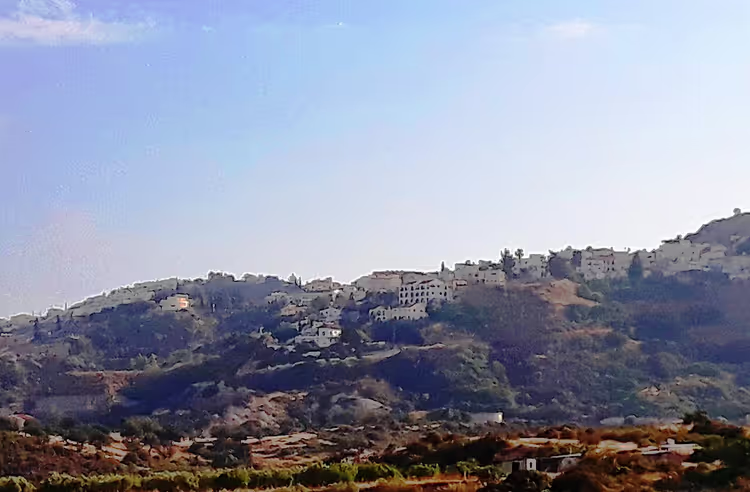
Pissouri lies between Paphos and Limassol, almost halfway. For a long time, only locals knew about the beaches here. Even today the village stays quiet in high season. Pissouri Bay beach remains uncrowded in any month.
The beach holds a Blue Flag for water quality (as of 09/2026, VisitCyprus on the Blue Flag). The sand-and-pebble strip runs for about 1.5 km, and the most convenient swimming area is in the center (per the map). A walking trail runs along the shore, with restaurants and cafes just above it. Two five-star hotels occupy the western end of the beach, while nudists relax closer to the cliffs.
The village itself sits on a high hill. It's a pleasant place to wander the narrow streets and stop into tavernas with sea views. Pissouri has preserved several old churches. The surrounding countryside suits hiking and cycling, and the local cheeses and wine are worth trying. Book accommodation well ahead in high season: there are few hotels near the beach.
- Who it's for: couples and anyone looking for quiet by the sea.
- The catch: little entertainment, almost nothing to do in the evening.
Hotels in Pissouri on Trip.com
7. Peyia
 © z-pinch · CC BY-SAPhoto: z-pinch, CC BY-SA (https://creativecommons.org/licenses/by-sa/3.0), Wikimedia Commons
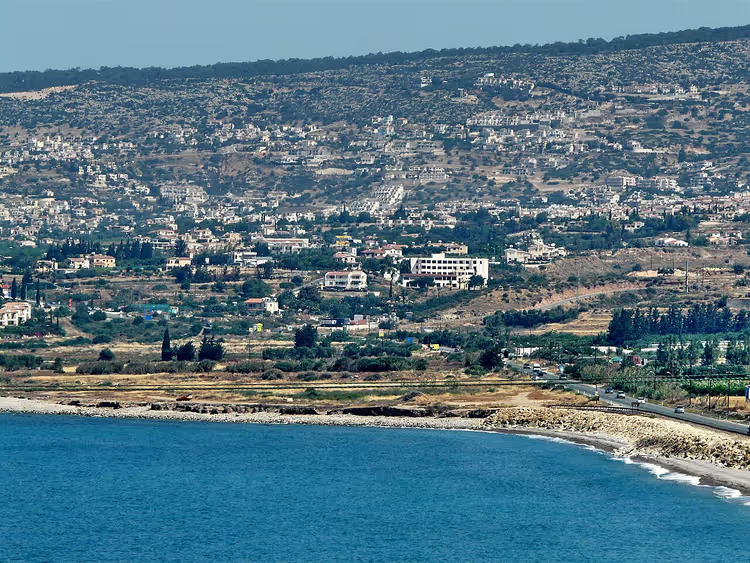
Peyia spreads north of Paphos and feels like a village with narrow streets. It has white Cypriot houses, plenty of restaurants, and hotels of various standards. Local hotels match Paphos in service, and prices are often lower.
The area's best-known beach, Coral Bay, lies about 12 km from Paphos (per the map). The sea here is calm and clear, the entry is gentle, and the sand strip is long. The beach suits family holidays.
The coastline around Peyia is mostly rocky, but there are coves with easy water access. The village itself has St. George's Beach, named after the neighboring church. St. George's Church stands on the edge of a cliff, and its bell tower offers a sea view.
Thanks to a large British community, Peyia has many pubs, and fish and chips often appear on menus. Local cafes serve national dishes and fresh fish. The town's symbol, the fountain on the main square, was built on the site of an ancient spring. You'll find hotels, guesthouses, apartments, and villas with pools here.
- Who it's for: families and those who want a quiet beach near Paphos.
- The catch: without a car, some coves and beaches are out of reach.
8. Kyrenia
 © Josef Moser · CC BY-SAPhoto: Josef Moser, CC BY-SA (https://creativecommons.org/licenses/by-sa/4.0), Wikimedia Commons
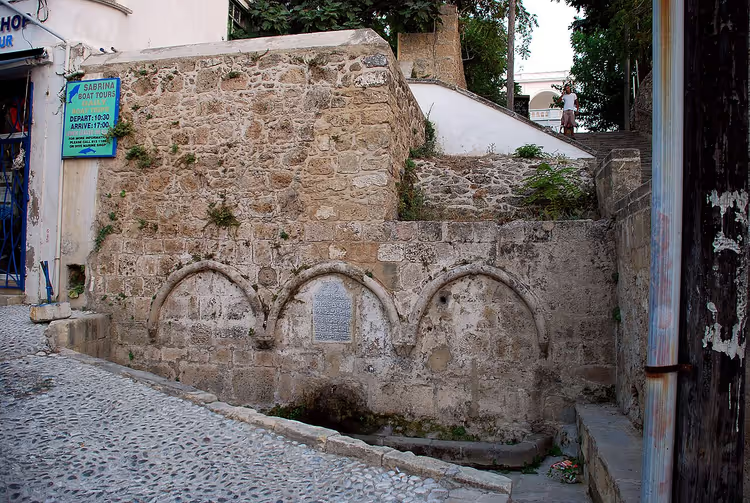
Kyrenia sits in the northern part of the island and is considered one of the oldest ports in the Mediterranean. People come here for a relaxed beach holiday and warm, fine sand. The northern part of the island is under a separate administration, so traveling from the south requires a passport and crossing a checkpoint.
The city's beaches are known for being clean and convenient. In summer, open-air discos with fireworks are held right on them at night. Escape Beach is known for its developed infrastructure, while windsurfers love Acapulco Beach for its waves. Turtle Beach stays open until evening, and people come here to see turtles.
The city has preserved Kyrenia Castle. Inside, a shipwreck museum houses an ancient trading ship. Near the city lie Bellapais Abbey, the Antiphonitis church in the mountains, and St. Hilarion Castle. Lovers of antiquity should also visit the icon museum.
Accommodation in this part of the island is cheaper than in the south, and five-star hotels stand right on the beach. The city has many cafes and restaurants serving Greek and Turkish cuisine, so you'll find a spot to your taste. If you want to combine the sea with sightseeing, stay in the city.
- Who it's for: lovers of quiet beaches and history.
- The catch: traveling from the southern part of the island requires crossing a checkpoint.
9. Polis
 © Michal Klajban · CC BY-SAPhoto: Michal Klajban, CC BY-SA (https://creativecommons.org/licenses/by-sa/4.0), Wikimedia Commons
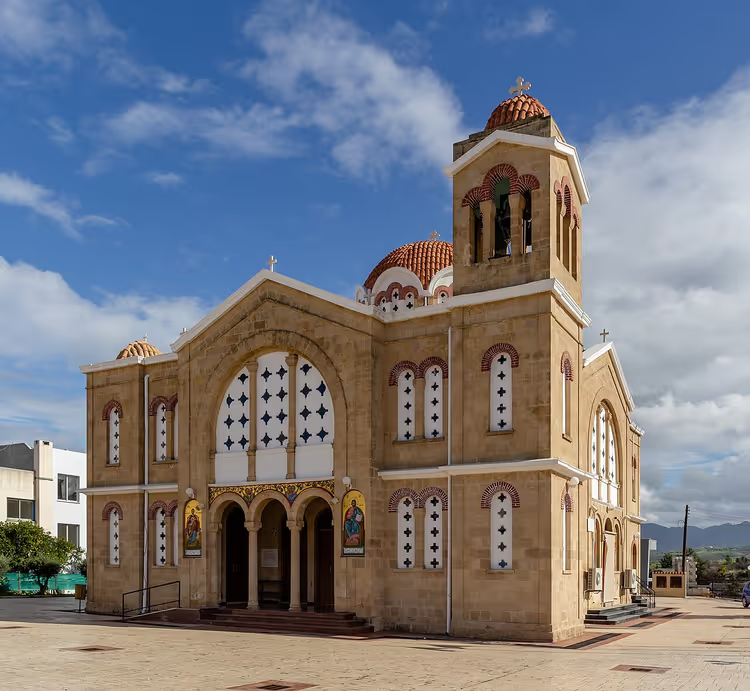
Polis lies in the northwest of the island and is known for its fish markets. Locals work not only in tourism but also in fishing and farming. Almond groves and fields surround the town, so the produce here is fresh.
Polis beaches are clean and uncrowded. You can walk from the town center to the sea. A chain of fish restaurants runs along the shore. In summer, Cypriots themselves come here too.
History lovers should visit the Marion-Arsinoe Museum and the local archaeological museum. Excavations within the town are still ongoing. The basilica of Agios Andronikos has preserved ancient frescoes. Ruins of the Georgian monastery of Ghalia were recently discovered in the area.
The Akamas reserve with the Baths of Aphrodite lies nearby. Yachting, water sports, and horseback routes through surrounding villages are popular in Polis. You'll find a peaceful holiday and scenic landscapes here.
- Who it's for: nature lovers, yachting fans, and those seeking a quiet holiday.
- The catch: the town is far from airports; it's about an hour's drive from Paphos Airport.
10. Latchi
 © Alan Samuel from Cardiff, Wales · CC BYPhoto: Alan Samuel from Cardiff, Wales, CC BY (https://creativecommons.org/licenses/by/2.0), Wikimedia Commons
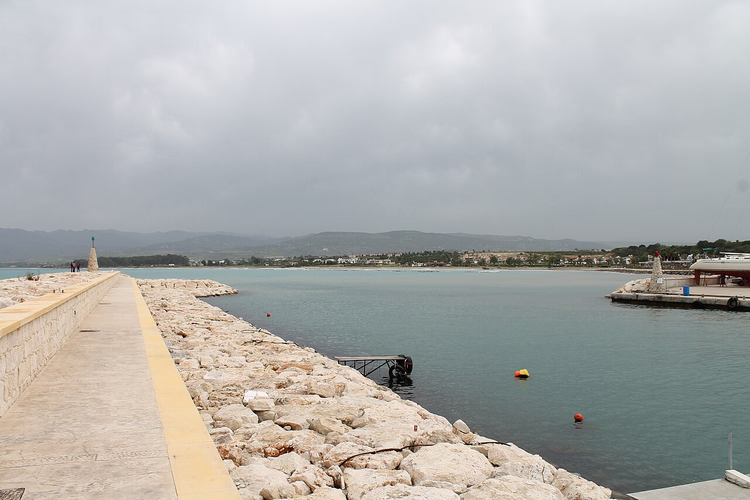
Latchi lies next to Polis and remains a small fishing village. There are no noisy clubs here, but there is quiet and an unhurried pace. Tourists come here year-round. A centuries-old rhythm of village life by the sea awaits you.
Sand-and-pebble beaches stretch toward Polis for about 1.5 km (per the map). They have toilets, showers, and changing cabins. All beaches are municipal, and you pay for sunbeds and umbrellas.
The water is warm in season, and the entry is gradual. It gets deep a few meters from the shore, so small children need to be watched in the water.
Tavernas on the beach and in the village cook with fresh fish and seafood. Cypriots from all over the island come to Latchi's fish tavernas. Trails along the shore suit calm morning walks, and from Latchi it's easy to reach the Akamas peninsula with its coves and the grotto of the Baths of Aphrodite. You'll get a quiet holiday without city bustle.
- Who it's for: couples and families who want peace by the sea.
- The catch: little entertainment, only a few tavernas open in the evening.
11. Oroklini
 © Максим Улитин · CC BYPhoto: Максим Улитин, CC BY (https://creativecommons.org/licenses/by/3.0), Wikimedia Commons
Oroklini is located near Larnaca and is a good fit for a family vacation. People settled here as far back as ancient times, but due to natural disasters and wars the area remained empty for a long period. The village only began to revive in the 18th century. Getting here from Larnaca is easy, so Oroklini is valued for a quiet getaway close to the city.
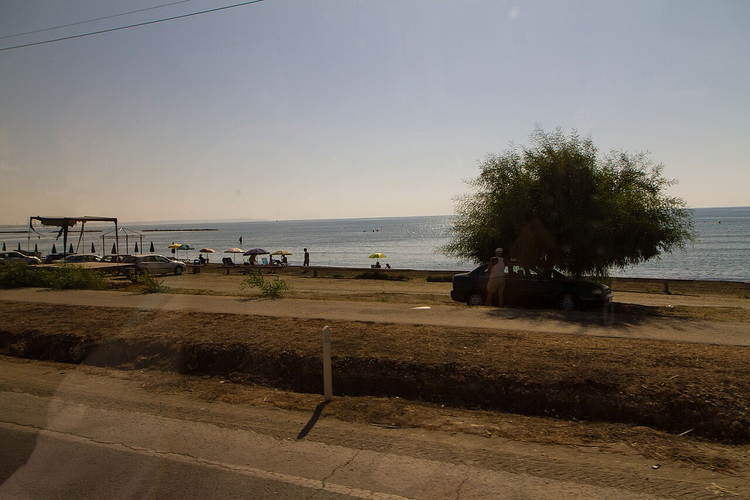
The beaches here are clean and long, with a gentle slope into the water. The sea is calm, with almost no waves. The sand is dark because of its volcanic origin. Many beaches have been awarded the Blue Flag (as of 09/2026, VisitCyprus beach list).
Accommodation here suits every taste: hotels, guesthouses, apartments, and villas sit right by the shore. You can also find rooms in the old part of the village. You will easily find an option that fits your budget.
Oroklini Lake lies nearby. It has become home to many bird species, and in winter pink flamingos fly in. In summer the lake gets shallow, so it is better to watch the birds in the cooler season.
- Who it's for: families who want a quiet beach not far from Larnaca.
- The catch: not everyone likes the dark volcanic sand.
Hotels in Oroklini on Trip.com
Best time to visit
Cyprus has a mild Mediterranean climate. Summer here lasts from mid-May to mid-October, and winter runs from December through February (as of 09/2026, Cyprus climate tourism office).
In July and August, the average maximum temperature on the plains reaches 38 °C, while in the Troodos Mountains it stays around 27 °C (as of 09/2026, Cyprus tourism office). The sea stays above 22 °C from June through November and warms to 27 °C by August. Even in winter, the water doesn't drop below 16-17 °C.
There are plenty of sunshine hours here. In December and January, there are about six on average, and in the summer months more than eleven (as of 09/2026, VisitCyprus portal).
The main beach season runs from April through October. In November, the sea is still warm, and you can swim too. The peak comes in midsummer. In September and October, there are fewer tourists, the sea is still warm, and the heat eases off. With small children and elderly parents, it's better to go in May, June, or September.
From November through April, it rains, but the showers are short and the sun shines often. Winter here is mild, and frosts occur only in the Troodos Mountains, where a ski resort operates in winter. In spring, the island turns green and fills with flowers, and autumn evenings stay warm right up to November.
How to choose a hotel

Cyprus has hotels of every category, from budget options to luxury villas. Service at most of them is decent even at lower categories. Many hotels operate on an all-inclusive basis, while budget ones more often offer a continental breakfast.
Most hotels serve a buffet, and some offer half board. When choosing, don't just look at the stars, also check the distance from the sea. Most hotels are on the first or second line, but some are far from the beach.
Higher-category hotels often have their own beach area. The higher the category, the wider the private section. Check separately whether sun loungers and a beach umbrella are included in the price: at some hotels this is a paid service.
Always read reviews and pay attention to specific details: walking time to the beach, shuttle availability, cleaning quality. In high season, it's better to book hotels in advance, otherwise the choice will be limited.
Tips for travelers
EU citizens don't need a visa to travel to Cyprus. A valid passport or ID card is enough. Other travelers should check the current entry rules in advance on the official Cyprus tourism portal. Always get medical insurance, especially if you're traveling with children.
If you plan to rent a car, book it online in advance. Traffic on the island is left-hand. Pedestrians should look right first, then left. Driver age and experience requirements vary between rental companies, so check them when booking.
Intercity buses run between cities, but there aren't many departures. A rental car or taxi saves a lot of time, especially for trips to quiet coves and into the mountains.
Paying by card is convenient, and it's good to have cash for small expenses. ATM exchange rates can be poor, and they also charge a fee. This is a safe place, but basic precautions won't hurt. Don't leave documents and money unattended, and don't swim at unguarded beaches. You can easily put together a first aid kit on the spot: pharmacies have everything you need.
⁉️🤔 Frequently asked questions
Which Cyprus resort should you choose for a family vacation?
For families, Protaras, Larnaca, and Ayia Napa are better suited. Go in the morning: before noon the water is calmer and the beach is emptier, which is more comfortable for a child.
Where in Cyprus can you relax quietly and away from crowds?
For quiet, people head to Pissouri, Polis, and Latchi. Polis adds the nature of Akamas and boat trips, while Latchi suits those who want seclusion after a noisy city.
When is the best time to go to Cyprus?
Mild weather lasts from April through June and in September and October. The sea is warm at this time, and the heat isn't exhausting. You can swim in November too, when the water stays above 22 °C (as of 09/2026, VisitCyprus climate data). Choose July and August if you handle high temperatures well.
Where to go for nightlife?
Nightlife is concentrated in Ayia Napa, and the season runs from May through October. Nearby, in Protaras, you can relax more quietly if you want some peace after late-night parties.
Do you need a car in Cyprus?
In Cyprus, it's convenient to get around by rental car: many beaches and attractions are far from cities. Intercity buses run between Limassol, Larnaca, and Paphos, but schedules are limited.
Resort map. The map below shows all eleven resorts from this selection. Check the distances between them and plan your route.
Resorts of Cyprus
Places on the map
- 1Limassol Largest resort city on the south coast
- 2Paphos Birthplace of Aphrodite, ruins and a castle by the harbour
- 3Larnaca One of the island's oldest cities, Salt Lake with flamingos
- 4Ayia Napa The 'second Ibiza', clubs and shallow warm sea
- 5Protaras Calmer than Ayia Napa, Flamingo and Sunrise beaches
- 6Pissouri Quiet village between Paphos and Limassol
- 7Peyia Village north of Paphos, many British pubs
- 8Kyrenia Oldest port in the Mediterranean, in the northern part of the island
- 9Polis Fishing town in the northwest, next to the Akamas nature reserve
- 10Latchi Small fishing village near Polis
- 11Oroklini Quiet settlement near Larnaca with dark volcanic sand
In short: what to book
If you have little kids: choose Protaras or Larnaca with their shallow sea. If history matters more: choose Paphos or Kyrenia. If you want clubs: Ayia Napa fits. If you want quiet: look at Pissouri, Polis, and Latchi. For a city break and sightseeing, Limassol and Larnaca are convenient.

A small editorial team writing guides for independent travel. We travel ourselves, but we haven’t been everywhere, so we check prices, opening hours and how to get there against official sources.