
















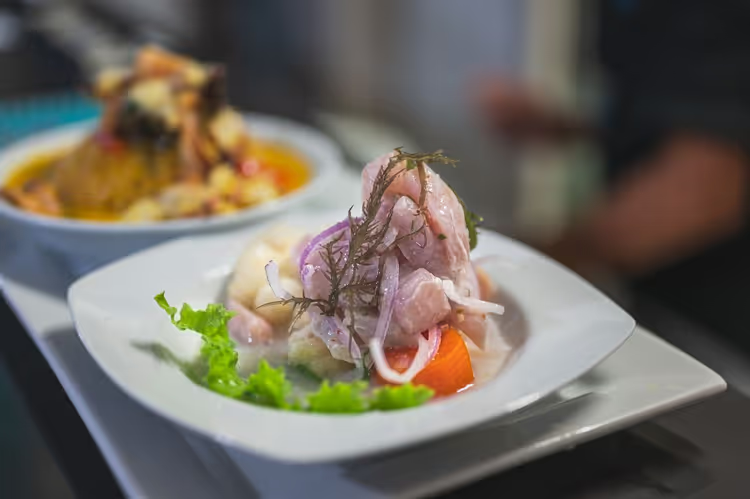
What to order in Lima and Cusco: 8 dishes and drinks of Peruvian cuisine
Peruvian cuisine changes from the coast to the Andes. In Lima you eat fish and seafood, while in Cusco the menu is built on meat and potatoes. These are two different gastronomic routes within one country.
The state supports this theme. Since 2008, Peru has celebrated National Ceviche Day on June 28, and the cuisine itself grew out of a mix of Andean, Spanish, African, and Asian traditions (as of 09/2026, overview of Peruvian cuisine).
Below are eight dishes and drinks: ingredients, region, and what you need to know before ordering. First the sea, then the mountains.
💡 In short:
- In Lima, eat seafood: ceviche, octopus, fish soups.
- In Cusco, order meat: guinea pig, alpaca, large cuts of beef.
- For drinks, go with pisco sour and Inca Kola.
Ad: this article contains affiliate links, we earn a commission if you book through them, at no extra cost to you.
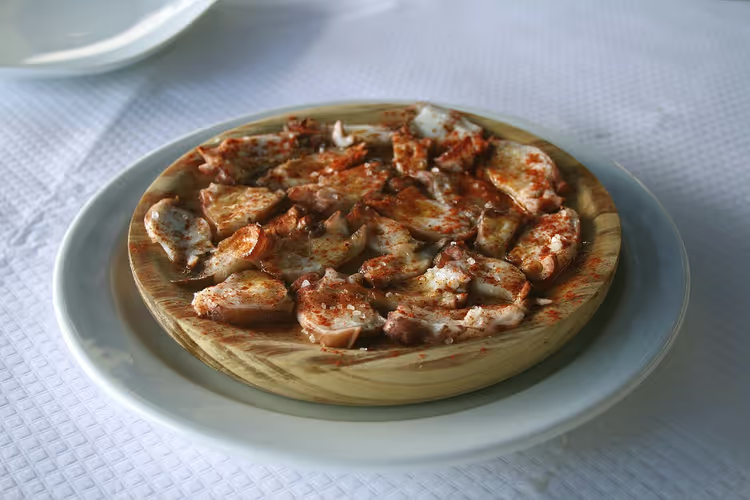
1. Galician-style octopus (pulpo a la gallega)
This is Spanish heritage in Peruvian cuisine. The recipe came from Galicia and took root on the Pacific coast. It is boiled tentacles, sliced into rounds, with olive oil and spices. The simplicity is deceptive: overcooked tentacles turn rubbery, and a plate like this is a good way to gauge the kitchen's level.
In Lima, look for octopus at seafood restaurants. You can also order seafood soup and shrimp risotto there.
 © Tamorlan · CC BY-SAPhoto: Tamorlan, CC BY-SA (http://creativecommons.org/licenses/by-sa/3.0/), Wikimedia Commons
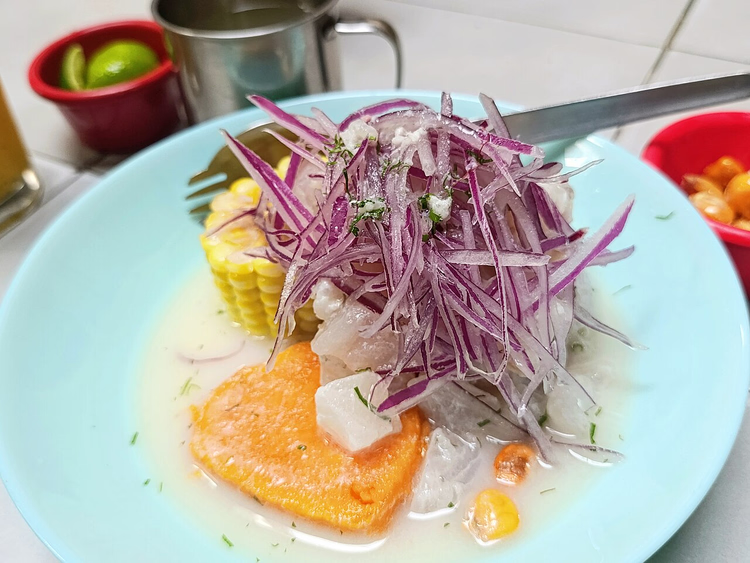
2. Ceviche
Ceviche is based on thinly sliced raw fish and seafood that are "cooked" in lime juice. In Peru this is not an appetizer but a culture of its own: entire cevicherias open around ceviche, and on June 28 the country celebrates the National Day of the dish (as of 09/2026, history and cuisine of Peru).
 © Juan Carlos Fonseca Mata · CC BY-SAPhoto: Juan Carlos Fonseca Mata, CC BY-SA (https://creativecommons.org/licenses/by-sa/4.0), Wikimedia Commons
The ingredients are simple: fish, red onion, hot pepper, and lime. The Peruvian version is spicier than neighboring ones, so the first time go with medium heat and ask for the pepper on the side.
The "tiger's milk" deserves a separate mention. Leche de tigre is made from the same marinade, blended to a cocktail-like consistency. You drink it rather than eat it with a spoon, and they do not hold back on the pepper here.
- Who it is not for: those who do not eat raw fish. There is no heat treatment in ceviche.
- Tip: come at lunchtime. Cevicherias work with the morning catch, and by evening the selection of fresh fish is more limited.
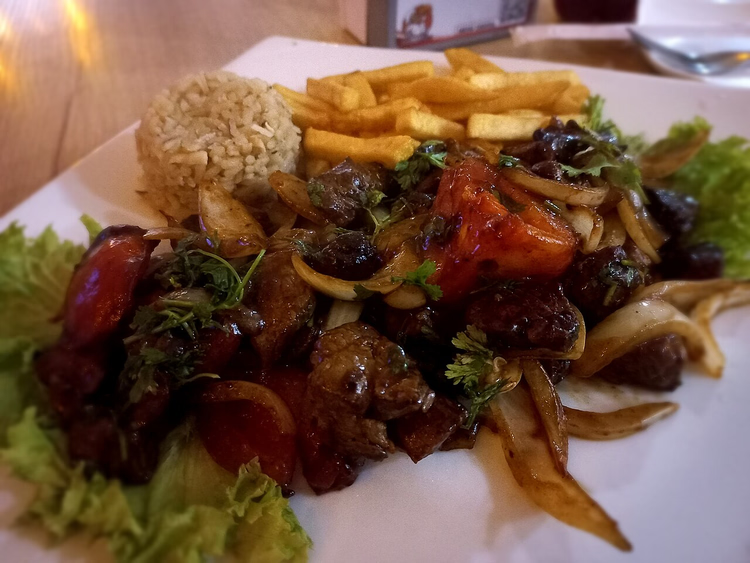
3. Lomo saltado
Lomo saltado is prepared like a stir-fry: beef, onion, and tomatoes, with french fries added. The recipe came from Chinese immigrants, so the dish is classified as chifa cuisine (as of 09/2026, about Chinese influence).
 © JSeb05 · CC BY-SAPhoto: JSeb05, CC BY-SA (https://creativecommons.org/licenses/by-sa/4.0), Wikimedia Commons
The classic version uses beef, and the vegetables and meat soak up the juices and soy sauce. It turns out hearty and almost not spicy at all, if you ask them to hold the hot pepper.
For your first evening in Cusco, this is a great order: the dish is familiar and doesn't require getting used to.
4. Cuy
In Peru, cuy is what they call guinea pig, and it really is roasted whole. In Cusco, almost every restaurant offers this dish (as of 09/2026, about guinea pigs in Andean cuisine).
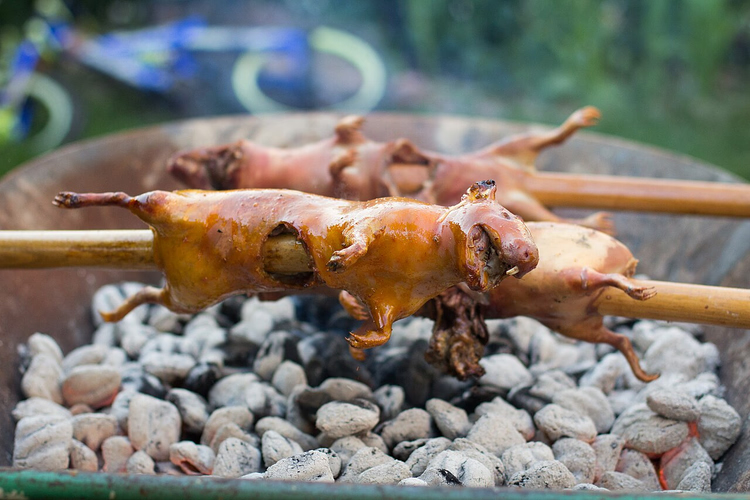 © Brianwray26 · CC BY-SAPhoto: Brianwray26, CC BY-SA (https://creativecommons.org/licenses/by-sa/4.0), Wikimedia Commons
For visitors, it's more of a spectacle. Some travelers order cuy, photograph the plate, and try just a small piece. In the Andes, though, it's ordinary home cooking, not a joke for tourists.
- Who it's not for: those who struggle to try unfamiliar meat.
- Detail: in Cusco they also make empanadas with cuy. If you don't want to try rodent, ask about the filling in advance.
5. Alpaca meat
Alpacas are raised in the Andes for their warm wool, but the meat also makes its way into the kitchen. It's used for steaks, stews, and burgers. The taste is reminiscent of somewhat dry beef, so sauces and vegetables work in its favor.
In Cusco and other highland cities, alpaca is on the menu almost always. If you're unsure, order a small steak and compare it with the beef at the same restaurant.
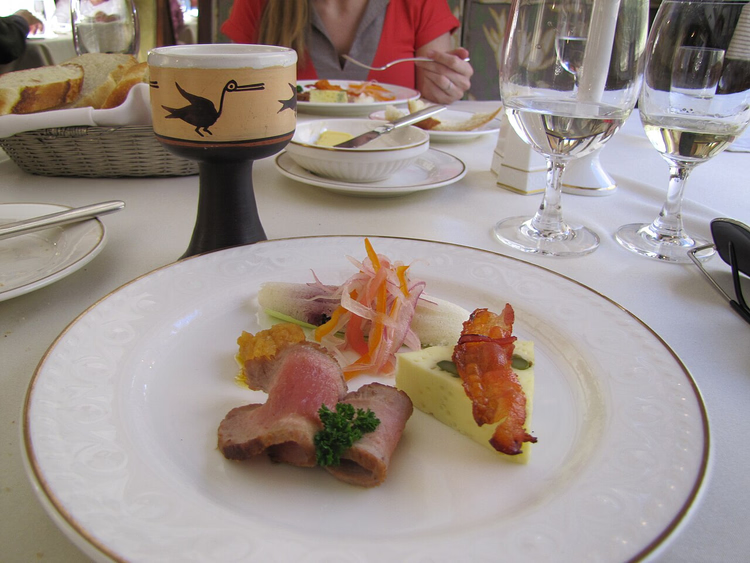 © David Berkowitz from New York, NY, USA · CC BYPhoto: David Berkowitz from New York, NY, USA, CC BY (https://creativecommons.org/licenses/by/2.0), Wikimedia Commons
6. Pachamanca
Pachamanca is cooked in the ground. The name translates from Quechua as "earth pot": pacha means earth, manka means pot (as of 09/2026, dish description).
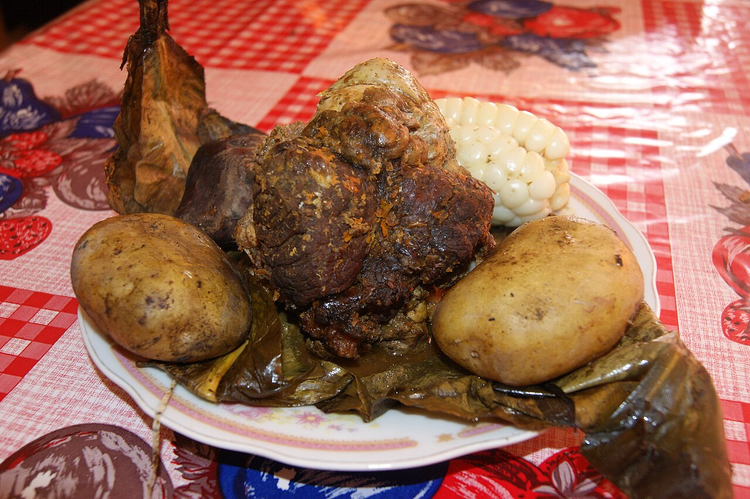 © Dtarazona · CC BY-SAPhoto: Dtarazona, CC BY-SA (https://creativecommons.org/licenses/by-sa/4.0), Wikimedia Commons
The technique is simple and ancient. Heated stones are placed in a pit, then meat with spices and herbs goes on top, followed by potatoes, sweet potatoes, corn, and beans. Everything is covered with leaves and earth, and pachamanca cooks for 40 to 90 minutes (as of 09/2026, description and preparation).
The meat selection here is broad: beef, pork, chicken, cuy, and alpaca. In 2003, pachamanca was declared a national cultural heritage, and its national day is celebrated on the first Sunday of February (as of 09/2026, history of the dish).
A portion is meant for a group. Order pachamanca for several people and try a piece of each type of meat.
7. Pisco
Pisco, a strong grape spirit, the local variety of brandy. It is the base of Peru's signature cocktail: pisco sour is mixed from pisco, lime juice, syrup, egg white, and a few drops of bitters (As of 09/2026, cocktail ingredients).
The foam on top comes from whipped egg white, not cream. The drink has a noticeable strength: the cocktail goes down easily, but do not be fooled.
Other cocktails are also made with pisco, so in a Lima bar you are not limited to one recipe. Ask the bartender for local versions, not just the classic.
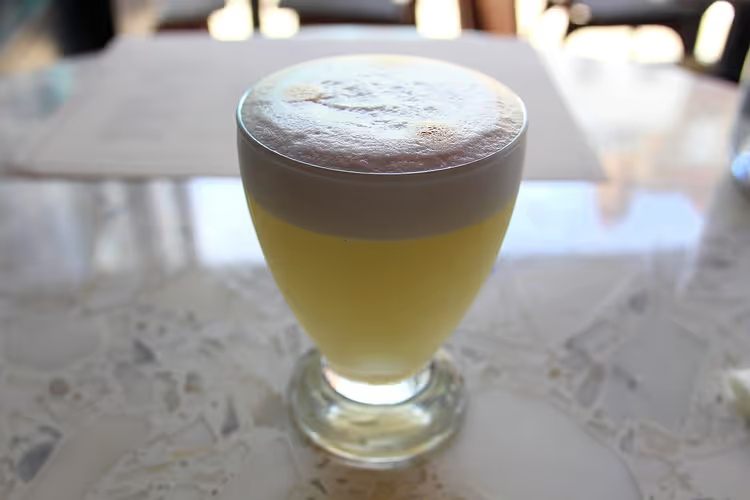 © Bex Walton · CC BYPhoto: Bex Walton, CC BY (https://creativecommons.org/licenses/by/2.0), Wikimedia Commons
8. Inca Kola
Inca Kola was invented in Peru: in 1935, the drink was created by British immigrant Joseph Robinson Lindley (As of 09/2026, drink history).
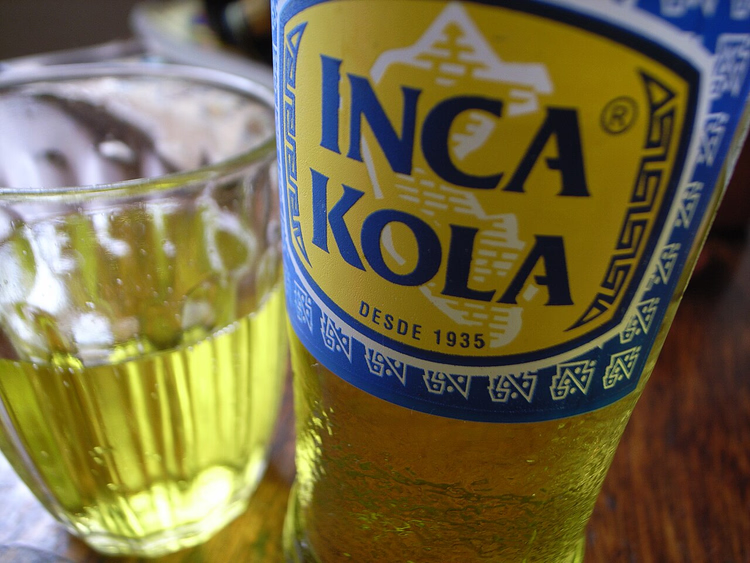 © ta@keshi kimi · CC BYPhoto: ta@keshi kimi, CC BY (https://creativecommons.org/licenses/by/2.0), Wikimedia Commons
Its taste is sweet and fruity: the aroma comes from lemon verbena, a local herbaceous plant. The color is bright yellow, so you will recognize the bottle immediately.
In Cusco, Inca Kola is drunk between hearty dishes, and in Lima it pairs well with ceviche. If sweet sodas are not your thing, get a small bottle to try.
The regional summary is simple. In Lima, you eat fish with lime; in Cusco, meat and dishes from the earthen oven. You can combine both cities in one trip, and then the food part of the itinerary is fully covered.
Tours and tickets in Lima
Guided tours, skip-the-line tickets and activities — most offers can be cancelled free of charge.
See offers on GetYourGuideThe widget loads once you give your consent.
⁉️🤔 Frequently asked questions
What should I try first in Peru?
Start with ceviche and lomo saltado: these are the foundations of Peruvian cuisine, and they are served almost everywhere. Then move on to Andean meat dishes if your route takes you to Cusco. Save the drinks for the evening: pisco sour and Inca Kola complete the flavor picture.
Where in Cusco can I try guinea pig and alpaca?
Andean meat is on the menu at almost every restaurant in the city. Guinea pig is roasted whole, and alpaca is served as steaks, stew, or in a burger.
When are Peru's food holidays?
Two main days are tied to dishes: National Ceviche Day and National Pachamanca Day. The latter falls on the first Sunday of February (As of 09/2026, dish calendar). Local festivals often coincide with them, and menus expand on those days.
How can I tell if the fish at a cevicheria is fresh?
Look at the dining room: if it is full of locals, not just tourists, the fish here is in demand.
In short: what to book
A food-focused route through Peru is built around two cities. In Lima, order seafood; in Cusco, meat and pachamanca. Plan your evenings around that.
Your situation | What to order |
|---|---|
First evening in Lima | ceviche and pisco sour |
You want something exotic | guinea pig or alpaca steak |
A celebration in Cusco | pachamanca for a group |
You need a non-alcoholic drink | Inca Kola |
If you want to cover the food program without a long search, check out food tours in Lima on GetYourGuide. Accommodation near restaurant streets is best booked in advance: hotels in Lima and Cusco on Trip.com.

A small editorial team writing guides for independent travel. We travel ourselves, but we haven’t been everywhere, so we check prices, opening hours and how to get there against official sources.