
















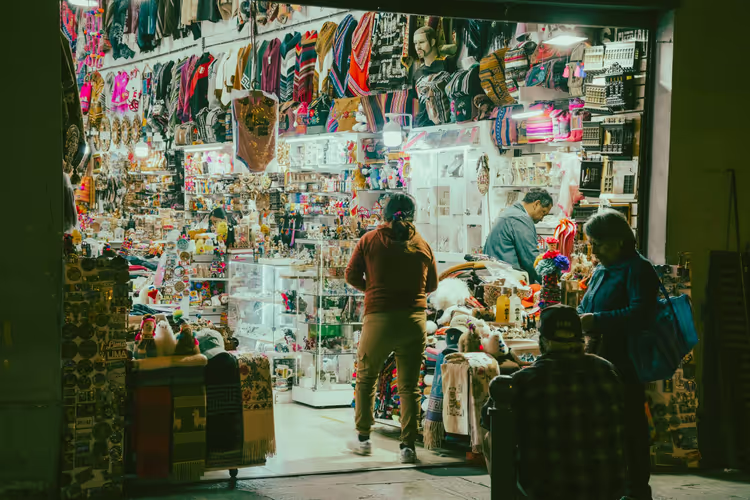
Souvenirs from Peru: alpaca, silver and pisco from Cusco markets
Peruvian souvenirs rarely fit into a single bag. Alpaca wool, silver, carved wood, and a bottle of pisco take up almost the entire suitcase. We put together a guide on what to bring home and what to check before buying.
The local currency is called the sol. Keep small change handy, and withdraw larger amounts in the city: at Lima airport, ATMs limit transaction amounts and charge fees.
The trip back requires just as much preparation as the shopping itself.
Ad: this article contains affiliate links, we earn a commission if you book through them, at no extra cost to you.
What people bring back from Peru most often
💡 In short:
- Alpaca wool, silver, and carved wood offer the best balance of price and quality.
- Buy pisco in a factory-sealed bottle with a tax stamp, not from a bulk container.
- EU limits and export rules: 09/2026, verified on the official EU website.
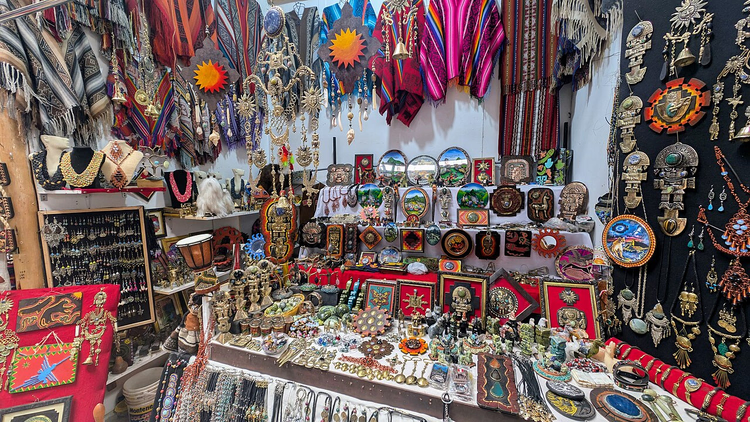
The range at markets is wider than it seems at first glance. Besides magnets, vendors sell warm sweaters, llama earrings, handmade chess sets, and strong alcohol. Many items are made by hand, so identical pieces are rare.
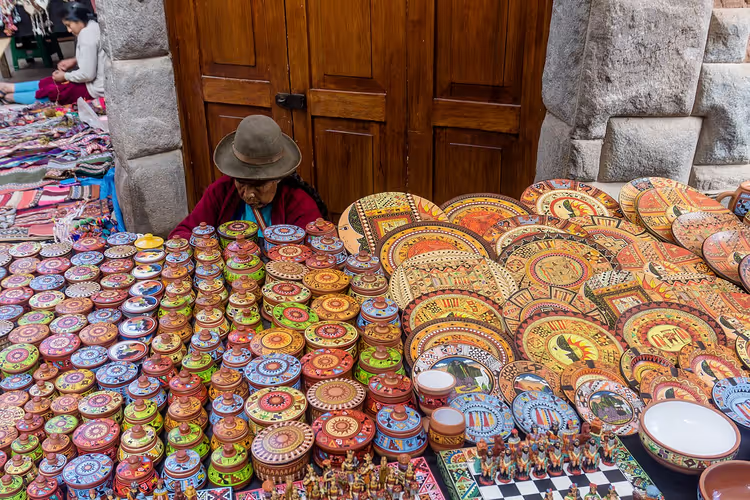 © Alexey Komarov · CC BY-SAPhoto: Alexey Komarov, CC BY-SA (https://creativecommons.org/licenses/by-sa/4.0), Wikimedia Commons
Prices are flexible wherever tourist buses don't go. At the markets in Cusco, including San Pedro Market, haggling is appropriate almost everywhere, and a 10 percent discount is considered normal. Walk a couple of blocks away from the main square, and the same scarf will cost you less.
Alpaca wool products
Soft alpaca wool tops the list of souvenirs. Plush toys made from real fiber feel warm to the touch and barely itch. In Cusco, these toys are sold in every souvenir shop.
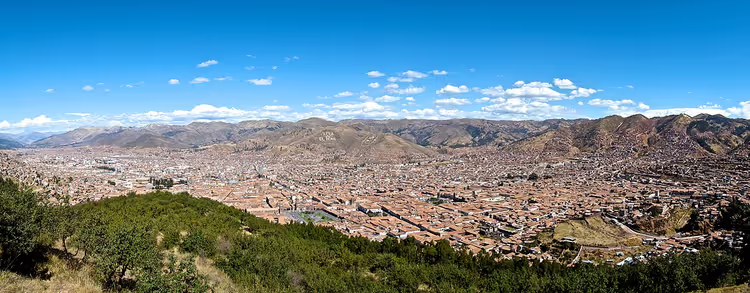 © gertrudis2010 · CC BY-SAPhoto: gertrudis2010, CC BY-SA (https://creativecommons.org/licenses/by-sa/3.0), Wikimedia Commons
Alpaca clothing is warmer than sheep's wool and doesn't smell damp. Scarves, sweaters, hats, and ponchos are available, and they cost less than European equivalents. Quality and warmth are excellent here, but check the fiber content on the label.
A cheap toy often turns out to be acrylic. Real fiber feels warm to the touch and quickly returns to its shape after being squeezed. If a seller claims it's alpaca but the label only lists acrylic, you're paying for plastic.
Silver items
Peruvian silver is used for jewelry and tableware. Shops are full of earrings shaped like llamas and alpacas, as well as pieces with indigenous patterns. These earrings are considered a signature item of the country and make great gifts.
Beyond jewelry, take a look at figurines and silver tableware for the home. People buy them as formal gifts, not as small trinkets. Before buying, ask for a certificate or a hallmark: without documentation, it's easy to pay silver prices for a silver-plated alloy.
Llamas and alpacas appear in jewelry everywhere you look. If you want something that others won't have, look for designs inspired by local patterns. Original designs are rarer and cost more.
Wooden items
Wood is also popular with tourists. Carved figurines, amulets, and coasters are made by hand, and the quality is usually good. Choose items made from dense wood: they crack less during transport.
Chess sets are a separate story. The pieces come in different sizes, and rare sets depict Incas and Spanish conquistadors. Prices for these items are noticeably higher than magnets, but the gift is far more memorable.
Wooden chess sets are easy to damage in transit. Wrap the set in clothing and don't place it next to heavy items. If space is tight, get a magnetic travel version.
Pisco
Grapes of aromatic varieties, including muscat, are distilled here into the strong spirit pisco. It tastes similar to brandy and is produced in Peru and neighboring Chile.
Pisco is rarely drunk neat; it's more often mixed into cocktails. The country's most popular drink is called pisco sour. It's made with lime or lemon juice, syrup, ice, and egg white, resulting in a sweet-and-sour mix.
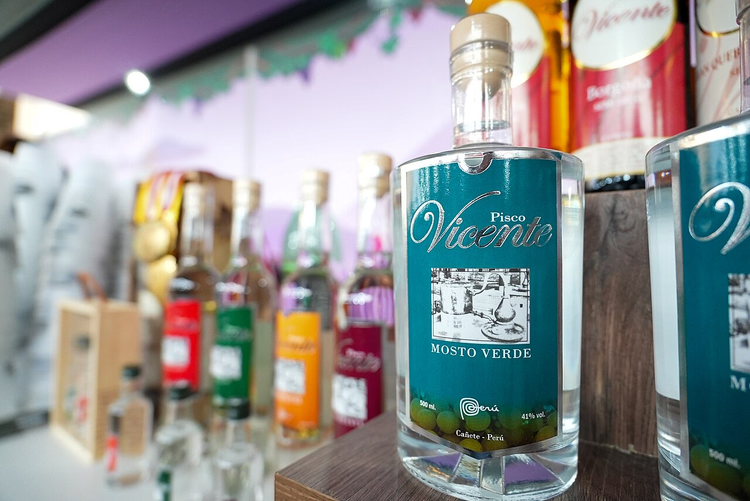
A bottle in nice packaging makes a convenient gift. But alcohol counts separately from other purchases. Put the bottle in checked luggage; liquids won't be allowed in carry-on.
Pisco sour is served in most establishments across the country. Try it locally, then decide which bottle to bring home. We have a separate article about Peruvian cuisine.
Souvenirs from Cusco and Machu Picchu
You'll find the standard set in any shop. Magnets, pens, keychains, coasters, photo frames, and postcards are sold everywhere. In Peru, all of these come with local flair, so identical souvenirs are rare.
 © H.dav.are · CC BY-SAPhoto: H.dav.are, CC BY-SA (https://creativecommons.org/licenses/by-sa/4.0), Wikimedia Commons
The shops in Cusco are visible from afar. They stand out while still looking at home on the winding streets of the old city. The flags in the windows resemble rainbows, but that's actually the flag of Cusco itself, not just advertising.
The city itself deserves a separate read: the Cusco guide covers the Inca capital. If you're heading to Machu Picchu, pick up souvenirs featuring this wonder of the world.
And bring a rain poncho. In the mountains, the weather changes within an hour, and rain catches you off guard. A poncho made of thick plastic is inexpensive and more useful on the trip than any magnet.
Paintings by street artists in Cusco
In Cusco, local artists will approach you with canvases. The paintings cater to every taste, from city views to bright scenes with llamas. If you love art, set aside half an hour for this.
Works are sold right on the street, often without frames. Before buying, check that the paint doesn't smudge and the canvas is stretched evenly. Ask the price before the artist starts wrapping the painting.
How to pay and what you can't bring out
Cards are accepted in shops and hotels, but not at markets. Exchange cash at currency exchange offices in the city, not at the first rate you see at the airport. Before leaving, check your card balance: exchanging soles back is harder.
Keep receipts for expensive purchases. Silver, electronics, and jewelry without documentation can raise questions at customs. According to the EU customs service, the limit is calculated based on the total value of all purchases (as of 09/2026, EUR-Lex).
Another reason to keep receipts is counterfeits. Acrylic is passed off as alpaca, alloy as silver, and cheap substitutes as pisco. If an item looks like an ancient artifact, check export rules in advance: cultural property is subject to separate restrictions.
Below is a quick shopping cheat sheet.
Souvenir | Where to look | What to check |
|---|---|---|
Alpaca wool | Markets and shops in Cusco | Fiber content on the label, warm to the touch |
Silver | Jewelry stores, not the street | Certificate or metal hallmark |
Carved wood | Workshops and markets | Dense wood, even carving |
Pisco | Supermarket or licensed store | Factory packaging and tax stamp |
Magnets and small items | Shops in Cusco and near Machu Picchu | Price, haggling is appropriate |
Paintings | Streets of Cusco | Paint doesn't smudge, canvas stretched evenly |
⁉️🤔 Frequently asked questions
How many souvenirs can I bring into the EU duty-free?
For air passengers, the duty-free limit is €430 per person (as of 09/2026, EU rules). For travel by land and water, it's lower at €300 (as of 09/2026, EU customs rules). Alcohol and tobacco are counted separately: 1 liter of spirits or 4 liters of wine, and 200 cigarettes.
How do I tell real alpaca from acrylic?
Real fiber feels warm to the touch and barely itches, while synthetics feel cool and slippery. Squeeze the toy in your hand: alpaca will quickly return to its shape. The label should list the fiber content, not just the word alpaca.
Is Peruvian silver real?
In a store, ask for a certificate or a hallmark. Street sellers often offer silver-plated alloy at silver prices. Buy jewelry in jewelry shops and keep the receipt: at customs, documentation eliminates unnecessary questions.
Can I bring pisco home?
Yes, in checked luggage and within the limit. Keep the bottle in its factory packaging, and don't put it in carry-on: liquids are restricted there.
Where should I buy souvenirs in Peru?
The best prices are at Cusco markets and workshops, not at Lima airport. Go in the morning before the heat and tour groups arrive, and haggle calmly. Magnets and small items are also cheaper in Cusco.
In short: what to bring back from Peru
If there's a child on your list, get a plush alpaca made from real wool. If you need a status gift, choose silver earrings or a carved chess set. If you love cocktails, bring a bottle of pisco in factory packaging. Buy magnets and small items in Cusco; they're cheaper than at the airport.
Want to combine shopping with sightseeing around the country? Find tours and excursions in Peru on GetYourGuide.

A small editorial team writing guides for independent travel. We travel ourselves, but we haven’t been everywhere, so we check prices, opening hours and how to get there against official sources.