
















What surprises in Malaysia: laws, jungles and Labuan island
Malaysia looks like two countries in one.
The peninsula with the skyscrapers of Kuala Lumpur and Borneo with jungles where you can find animals you will not see anywhere else. There are states with hereditary sultans, an elected king, and one of the strictest drug laws in the region.
Below are facts about the laws, roads, jungles, and the island of Labuan. We take all figures from open official sources, and we mark disputed stories as local legends. If you are planning a trip, start with the section on laws and jungles.
Thirteen states and an elected king
💡 In short:
- Malaysia is a federation of thirteen states and three federal territories (Britannica).
- Nine states are ruled by hereditary sultans and rajas (states and federal territories).
- The head of state is elected from among the sultans for a five-year term (King of Malaysia).
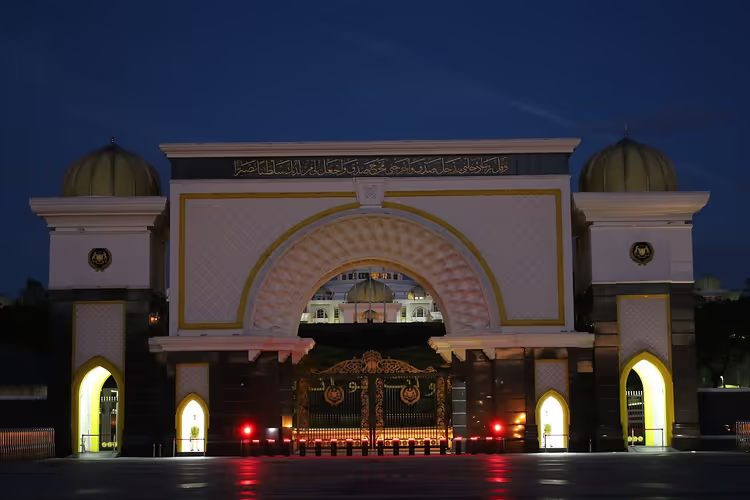
The form of government surprises tourists more than the beaches. Most states have retained hereditary monarchies, while the rest are run by appointed governors. The king is elected by the Conference of Rulers, and after a few years he gives way to the next sultan. What matters more for you is this: each state sets some of its own rules. Holidays, fees, and even the price of alcohol differ from region to region. Compare states, not countries. If you travel from Kuala Lumpur to Sabah or Labuan, you are formally crossing a state border, and with it the local fees and the holiday calendar change.
 © EmpAhmadK · CC BY-SAPhoto: EmpAhmadK, CC BY-SA (https://creativecommons.org/licenses/by-sa/4.0), Wikimedia Commons
Laws, roads, and population
Drugs in Malaysia remain a permanent taboo. Possession and trafficking of large quantities are covered by the Dangerous Drugs Act of 1952. Since 2023, the mandatory death penalty has been abolished (according to a legal summary, 2023). The court chooses between execution and a term of 30 to 40 years with corporal punishment. The rule for a visitor is simple: do not carry other people's bags.
On the roads you will rarely see recent European models, while Japanese cars are common. Imported vehicles are subject to high taxes, so families buy local brands. You can rent any car, but keep in mind the heavy traffic in Kuala Lumpur and the toll roads. These require a separate payment card; cash will not help here.
The country's population has long been diverse. According to the 2020 census, bumiputera make up about 69 percent of residents, while Chinese and Indians together account for about 30 percent (as of: DOSM 2020 census). Hence the mix of cuisines, languages, and holidays that you will feel on your very first day.
Borneo jungles: safety rules
In the dense forest, watch your step. Scorpions and snakes await you on trails, clearings, and in tall grass. You should not enter the local rivers: crocodiles live there. Murky water on its own is not inviting for a swim.
But in the thicket you will meet animals that live throughout Southeast Asia. The Malayan sun bear, the smallest bear on the planet, lives here. It is called the honey bear because of its love of honey. Nearby is the binturong, an animal that looks like a cross between a cat and a bear. In the treetops, the myna calls out, a bird that copies human speech and readily repeats English words.
 © kallerna · CC BY-SAPhoto: kallerna, CC BY-SA (https://creativecommons.org/licenses/by-sa/4.0), Wikimedia Commons
If you get hungry on the road, do not try unfamiliar berries and fruits.
Labuan Island: duty-free
Labuan is a short flight from Kuala Lumpur. Its status differs from the rest of the country. The entire territory of the island operates as a free trade zone with factories and terminals (Royal Malaysian Customs). The local economy is tied to oil and gas, so you will see a port, warehouses, and workers' settlements here, not just beaches.
Trade on the island is exempt from duties. Alcohol and tobacco are cheaper here than on the mainland. Malaysians themselves come here for the weekend, and that is the best indicator of prices. Labuan is also known as an international financial and trading center for oil and gas deals (Labuan FSA).
A separate attraction of the island: the naval base and port where supply vessels call. For a tourist, Labuan is a quiet day between the jungles of Borneo and the big cities. A market, a waterfront, and cheap drinks in duty-free shops.
Walking trees and Mount Kinabalu
In the jungles you will be told the legend of walking trees. The roots supposedly start growing from the middle of the trunk and go off in search of water. After a few months, the tree ends up in a new place. This story cannot be verified, but as part of local folklore it has lived on for decades.
 © kallerna · CC BY-SAPhoto: kallerna, CC BY-SA (https://creativecommons.org/licenses/by-sa/4.0), Wikimedia Commons
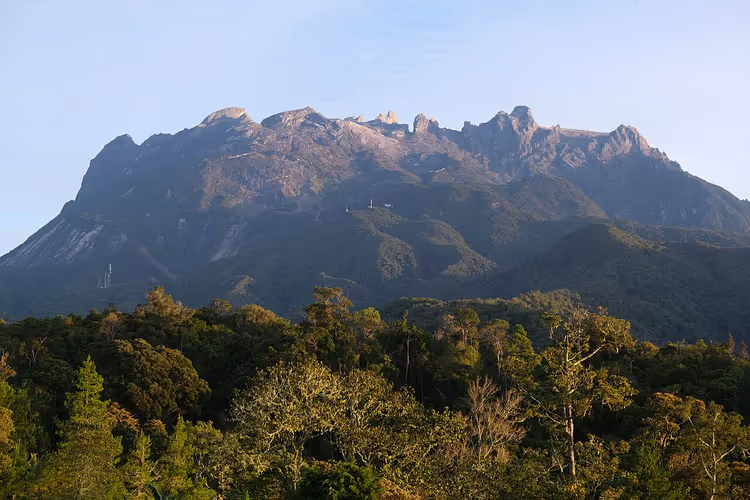
Mount Kinabalu is the highest point in Malaysia and all of Borneo. Under park rules, you may climb only with a registered guide, and the route usually takes two days (Sabah Parks). The permit costs 400 RM for foreign participants and 100 RM for Malaysian citizens (verified 03.09.2026 on the Sabah Parks page, pricing effective since 01.2023). Overnight stays in the mountains are cool: bring a warm layer and a supply of water.
⁉️🤔 Frequently asked questions
How many states are there in Malaysia and who runs them?
The country is made up of states and federal territories, including Kuala Lumpur, Putrajaya, and Labuan. Most states are ruled by hereditary sultans and rajas, while the rest are run by appointed governors. The head of state is elected by the Conference of Rulers, and this is not a hereditary position.
What is the penalty for drugs?
Malaysia has one of the strictest laws in the region. For trafficking large quantities, the court may impose the death penalty or a long prison term with corporal punishment. If someone offers you to carry someone else's bag, refuse immediately.
Is it dangerous to go into the Borneo jungles?
With an organized group and a guide, the risk is low. Scorpions and snakes stay in the grass and under rocks, and the ban on swimming in rivers protects you from crocodiles. Bring closed shoes, water, and long socks. In some parks, such as Kinabalu, a guide is mandatory.
Why go to Labuan?
For duty-free shopping, a sea outing, and a quiet day. Alcohol and tobacco are cheaper here than on the mainland, markets are open, and in the evening it is pleasant to walk along the waterfront. The flight from Kuala Lumpur is short, so Labuan is easy to combine with Borneo.
Do I need a guide to climb Kinabalu?
Yes, you will not be allowed on the route without a registered guide. Permits are arranged in advance through the park system, and there are fewer weekend spots than applicants. The plan is usually two days with an overnight stay, and many people add an extra day for acclimatization.
In short: what to book
If you want to see all of Malaysia, put together a route that includes the peninsula and Borneo.
If you want forest and legends: hire a guide in the Sabah parks and book an overnight stay on Kinabalu, arrange the permit in advance.
If you want cheap shopping: add Labuan, but remember that the island runs on its port and oil and gas companies, not beachfront hotels.
If you want a calm sea: choose the northern resorts and do not touch jellyfish with your hands.
The main tip: arrange your Kinabalu permit on the official Sabah Parks website before buying plane tickets. That way you will not have to change your dates.

A small editorial team writing guides for independent travel. We travel ourselves, but we haven’t been everywhere, so we check prices, opening hours and how to get there against official sources.