
















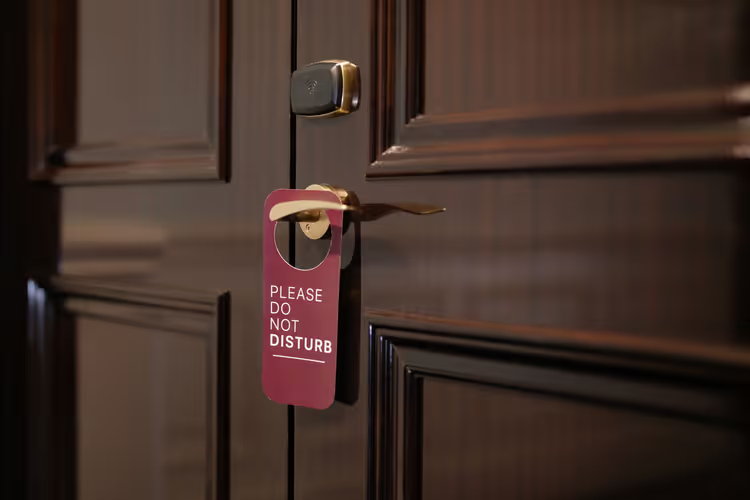
Mini-hotel or big hotel: how to choose and what to check before booking
People book a small hotel for the quiet and the price. But small properties are exactly where surprises tend to hide: a closed front desk in the evening, breakfast at a nearby bakery, a room above a bar.
In Europe, such properties are common. The unified Hotelstars Union classification operates in 22 countries, and the star criteria are revised every five years (as of 09/2026, hotelstars.eu). The stars on the sign say little about the size of the property or how it operates.
We looked into how a small hotel differs from a large one, what the rate includes and which six checks to make before you pay.
Ad: this article contains affiliate links, we earn a commission if you book through them, at no extra cost to you.
What a small hotel actually is
💡 In short:
- A small hotel: a compact property with a few rooms, often without a 24-hour front desk.
- The price is lower, and the basic part of the rate (breakfast, parking, internet) is often already included.
There is no legal definition of the term "small hotel." The official European Hotelstars Union classification has one to five stars and a separate Garni category, meaning a property without a restaurant. The classification is awarded based on a shared catalog of criteria, so the size of the property does not directly affect the number of stars. A property with a few rooms can receive the same stars as a large hotel. We rely on the association's open catalog (checked on 14.09.2026 on the official website).
By format, small hotels fall into two types. The first: a converted apartment with its own kitchen, where you cook for yourself. The second: a property with single and double rooms, where breakfast is served and parking is provided. Both options are found in any part of the city, including residential neighborhoods away from the train station.
In practice, you get a quiet night's sleep in a residential building and a host who knows their guests. In return, you accept a smaller set of services, not a lower quality of sleep.
Quieter and cheaper than a large hotel
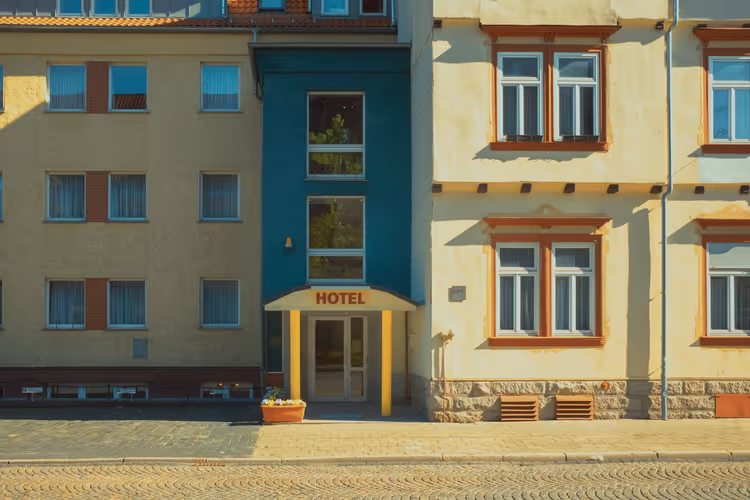
The main advantage of a small hotel: few guests. A property with a few rooms has no noisy lobby and no morning line at the buffet. At night you sleep in peace, and in the morning you don't hunt for a free table.
The second plus: price. In the same neighborhood, a room in a small hotel usually costs less than in a large hotel with a lobby, bar and pool. The difference is what you pay for things you don't need every day.
The third plus: a home-like atmosphere. Many small properties are family-run, and the way things work is simpler than in a chain hotel. Nobody sells you extra services, but they do help with practical matters: where to leave luggage, how to get to the center, where to have dinner nearby.
- Who it's for: a trip for a couple of nights, a business trip, a transit stop, a seaside vacation.
- Not for: you need a 24-hour front desk, an elevator, a luggage room or room service.
- The catch: the front desk is often closed at night, and an old building may not have an elevator.
How a small hotel differs from a large hotel
Criterion | Small hotel | Large hotel |
|---|---|---|
Front desk | Often not 24 hours | 24 hours |
Breakfast | Included in the rate or at a nearby cafe | Buffet at the hotel |
Number of rooms | A few | Hundreds |
Noise | Few guests, quieter | Depends on the floor and elevator |
Staff | The host or one person on duty | Several departments |
Price per night | Lower in the same neighborhood | Higher |
Facilities | Internet, parking, breakfast | Bars, spa, luggage room |
Extra charges | Some services already in the rate | Spa and sauna at extra cost |
The table shows what you pay for in a large hotel. The elevator, luggage room, night porter and on-call housekeeping are built into the price, and you share that cost with all the guests. In a small hotel, you take only what you need.
Staff deserves a separate mention. In a large hotel, you have several departments: front desk, luggage, housekeeping, technical support. In a small property, everything is run by one person or a family. That same person makes breakfast and answers questions. So it's better to confirm your request in advance rather than on arrival.
What's included in the price and what costs extra
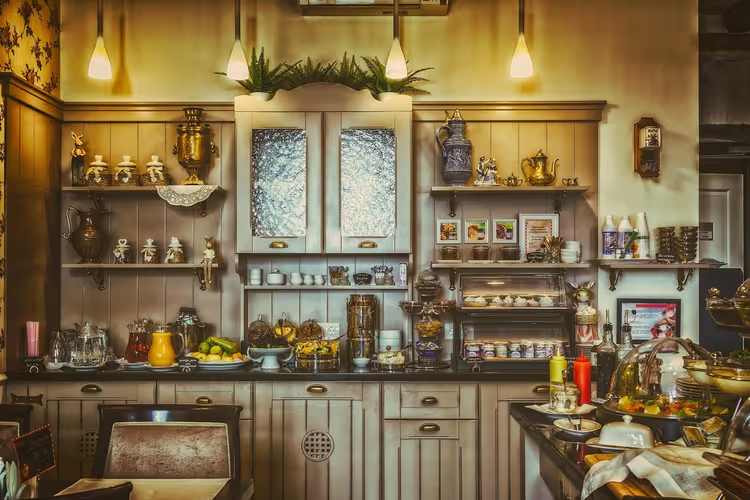
The list of services depends on the property, not on the sign. In most small hotels, internet, parking and breakfast are already included in the rate. A gym, sauna and laundry usually cost extra, and you ask about them at the front desk.
Rooms within the same property also differ: there are economy rooms and suites with a living room and kitchen. Before booking, ask three things: bed size, air conditioning and the view from the window. You see these parameters in the description, but not always in the price.
An important point about extra charges: the tourist tax. In Germany and Austria, this tax exists in many cities and resorts. Sometimes it's already in the rate, sometimes it's collected at the front desk. In Stuttgart, the tax is €3 per person per night from July 1, 2026 (as of 09/2026, City of Stuttgart). Children and school groups are exempt there.
How to choose a small hotel: six checks
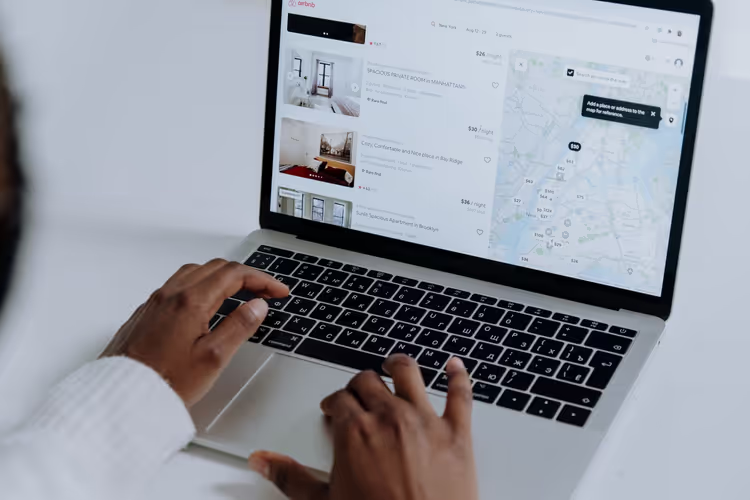
A good small hotel is chosen by details, not by photos of the facade. Go through six points before you pay.
- Check-in time. The front desk often closes in the evening. Arrange a late arrival and the way to get the key.
- Breakfast. Ask what exactly is included: a buffet, a set from a cafe, or just a shared kitchen.
- Parking. Clarify whether it's private or public, and whether there's a spot in season.
- Reviews from the last season. Read recent ones: old praise often doesn't describe the current state of the property.
- Tourist tax. Calculate it in advance so the total per night doesn't grow on the spot.
- Price comparison. Open nearby options and compare the price per night in the same area: browse small hotels and guesthouses on Trip.com.
If the property is unclear on at least one point, call or write directly. The host's response before booking says a lot about the service. You'll also see how quickly they reply and whether they're willing to help with practical requests.
⁉️🤔 Frequently asked questions
How does a small hotel differ from a hostel?
In a hostel, you usually share a room and bathroom with other guests, and you rent a bed individually. In a small hotel, you have your own room with a lock and your own bathroom, and shared areas are limited to the hall and kitchen. That's why such a property also suits business travelers who need a quiet evening after work.
Can I check in late in the evening?
Yes, if you tell the host in advance. Many small hotels don't keep a 24-hour front desk: the key is handed over in person, left in a safe or a code box. Write your arrival time when booking and save the property's phone number. Without notice, you risk standing at a locked door and looking for another place to stay.
Is breakfast included in the price?
Often yes, but not always. At some properties breakfast is included, at others you get a voucher for a nearby cafe, and sometimes only a shared kitchen is available. Clarify the format before paying: buffet, continental set or self-catering. It affects both the final price per night and your morning.
Do I have to pay the tourist tax?
Yes, in cities with the tax, all guests pay it, including small hotel guests. In Stuttgart, it's €3 per person per night (as of 09/2026, City of Stuttgart). It's collected at the front desk or added to the bill, and children are often exempt. Check the rule on the city's website.
How far in advance should I book a small hotel?
In high season, book several weeks ahead: small properties fill up quickly, and good options in the center go first. In the off-season, rooms are available almost always, and you can calmly choose the neighborhood. If it's a weekend trip, decide early and keep a backup option nearby.
In short: what to book
If you need quiet and a moderate price, take a small hotel in a residential area and confirm check-in in advance. For a trip of a couple of nights or a transit stop, look for a property near the train station: that way you'll manage without a taxi. If an elevator, a 24-hour front desk and a luggage room matter, pay extra for a large hotel. Before paying, double-check breakfast, parking and the tourist tax. Compare small hotel prices on Trip.com.

A small editorial team writing guides for independent travel. We travel ourselves, but we haven’t been everywhere, so we check prices, opening hours and how to get there against official sources.