
















Thailand without a tour operator: visa, TDAC and trip budget 2026
Thailand can be put together on your own, without a tour operator or agency markups. A direct flight from Frankfurt to Bangkok takes about 11 hours, and round-trip tickets start at 627 € (as of 09/2026, Lufthansa).
Entry rules keep changing, and guides from previous years are outdated. Starting September 15, 2026, the visa-free period for citizens of Germany, Austria, and Switzerland is being reduced to 30 days, and the paper immigration card has been replaced by the online TDAC document (as of 09/2026, summary of new rules).
Below is a route by region, seasons by month, resorts, hotels, and an honest budget. You can plan the trip in one evening.
Ad: this article contains affiliate links, we earn a commission if you book through them, at no extra cost to you.
How to get to Thailand
💡 In short:
- Direct flights from Frankfurt and Munich to Bangkok operate year-round: about 11 hours in the air, round trip from 627 € (as of 09/2026, Lufthansa fares).
- To Phuket and Samui from Europe you fly with a connection, followed by a domestic flight.
- Prices and entry rules: 09/2026, verified against the current schedule and visa rules summary.
Direct flights to Bangkok are operated by Lufthansa and Thai Airways. Departures from Frankfurt and Munich are daily; from Vienna and Zurich they usually involve one connection (as of 09/2026, current schedule). The flight takes about 11 hours, arriving the next morning.
There are almost no direct flights from Germany to Phuket and Samui. You fly to Bangkok, then take a domestic flight of just over an hour. Phuket is served by AirAsia and Thai Vietjet; Samui is mostly served by Bangkok Airways. The second option, a connection in Doha or Dubai, gives you a direct onward leg to Phuket and saves you a night in Bangkok.
Book tickets several months before departure and for midweek dates. Check the baggage allowance: with Asian low-cost carriers, a suitcase is often paid for separately.
Visa and TDAC: what has changed
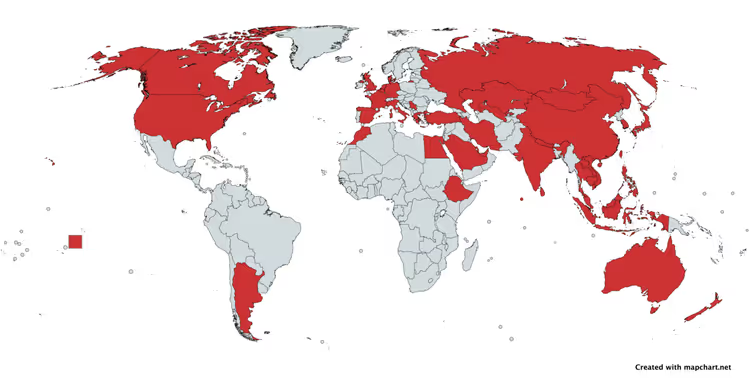
Citizens of Germany, Austria, Switzerland, and most EU countries do not need a visa. Until September 14, 2026, visa-free entry allowed 60 days. Starting September 15, the period is reduced to 30 days, but you can still extend your stay once for another 30 days (as of 09/2026, new rules from September 15).
The extension is processed at an immigration office on site. The fee is about 1,900 baht, paid in cash, and the application must be submitted before the current permission to stay expires (as of 09/2026, breakdown of durations and extensions).
The paper TM6 card has now been replaced by the mandatory TDAC. This is a free electronic arrival card: you fill it out online no earlier than 72 hours before arrival and show the QR code at the border. Without TDAC, you will not be allowed to board the flight (as of 09/2026, TDAC rules).
For long trips there are separate visas: a multiple-entry tourist METV for 6 months and a Destination Thailand Visa for 5 years with stays of up to 180 days per entry. Overstays are fined 500 baht per day, up to a maximum of 20,000 baht (as of 09/2026, visa type comparison).
Insurance: what your policy should cover
You need medical insurance for Thailand even for a short trip. Doctor visits and hospitalization in private clinics are expensive, and you pay on the spot in cash. Without insurance, these costs fall entirely on you.
Compare three things in the policy. First, coverage for infectious diseases: dengue fever is not included in all plans. Second, the deductible: the portion you pay yourself. Third, the assistance service that arranges a clinic and an interpreter on the ground.
Separately check whether the policy covers injuries from riding a scooter. This is the most common reason tourists file claims. You initially pay for transport to the hospital in cash, and these costs are reimbursed only after you return.
Diving, kayaking, and extreme tours require a separate add-on. If you plan to dive, check the medical expense limit and barotrauma coverage. You can compare insurance options online; the policy arrives by email before your flight.
When to go: seasons and weather
 © Ssuri · CC BY-SAPhoto: Ssuri, CC BY-SA (https://creativecommons.org/licenses/by-sa/3.0), Wikimedia Commons
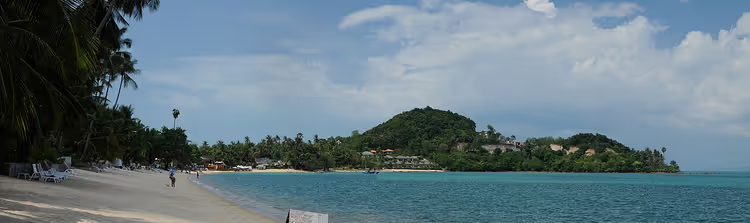
Thailand lies in the tropics, so beach season runs year-round, but it varies by region. On the Andaman Sea, meaning Phuket and Krabi, it is dry from November through April. In the Gulf of Thailand, on Samui and Koh Phangan, the rains shift to October, November, and December (as of 09/2026, climate overview).
November and December: the most comfortable time for a first trip to Phuket and Krabi. The heat eases, humidity drops, and the Andaman coast has dry weather. The catch: hotel and flight prices peak in these months, and Phuket's beaches are crowded.
From March through May, the central and northeastern provinces become muggy, with temperatures above 35 degrees (as of 09/2026, seasonal table). Schedule temple tours for early morning.
On the Andaman coast and in the north, the rainy season runs from May through October. It comes as short, heavy downpours, usually at night. This is the low season: hotels get cheaper, islands empty out, and nature becomes more vivid. If you can handle the humidity, this is where you save the most.
Compare months by region before buying tickets:
Region | Comfortable months | Rain |
|---|---|---|
Andaman Sea (Phuket, Krabi) | November-April (as of 09/2026, climate overview) | May-October |
Gulf of Thailand (Samui, Koh Phangan) | January-March, July-August | October-December |
Northern provinces | November-February | May-October |
In the north of the country, nights in December and January are cool, so pack a sweater and long pants. During the day you can still swim and sunbathe.
Phuket: an island on the Andaman Sea
Phuket, Thailand's largest island, is a good choice for a first visit. It is connected to the mainland by a bridge, so you can reach your hotel by car or transfer without ferries.
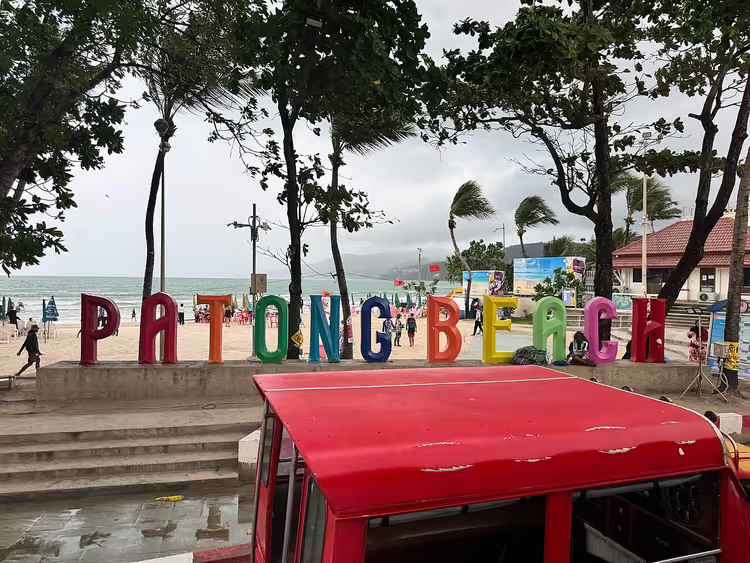
The beaches stretch along the west coast. The busiest one, Patong, has bars, restaurants, and nightclubs right nearby. Kata and Karon are quieter: fewer clubs and more open space on the sand. For a peaceful stay, Nai Harn and Kamala work well.
 © JULIANISME · CC BY-SAPhoto: JULIANISME, CC BY-SA (https://creativecommons.org/licenses/by-sa/4.0), Wikimedia Commons
The south of the island is crowned by the Big Buddha, a tall marble statue on a hill above Chalong. The observation deck offers views of the entire west coast. The island's infrastructure suits both families and groups of friends: there are hotels for every budget, shopping malls, and water parks.
To the north lies Phang Nga Bay with its limestone cliffs, a destination for full-day boat tours. Choose Phuket hotels on Trip.com by beach: Patong for nightlife, Kata and Nai Harn for a quiet stay.
The catch: in high season, Patong is expensive and crowded, and tables at popular restaurants need to be booked in advance.
Pattaya: beaches and nightlife
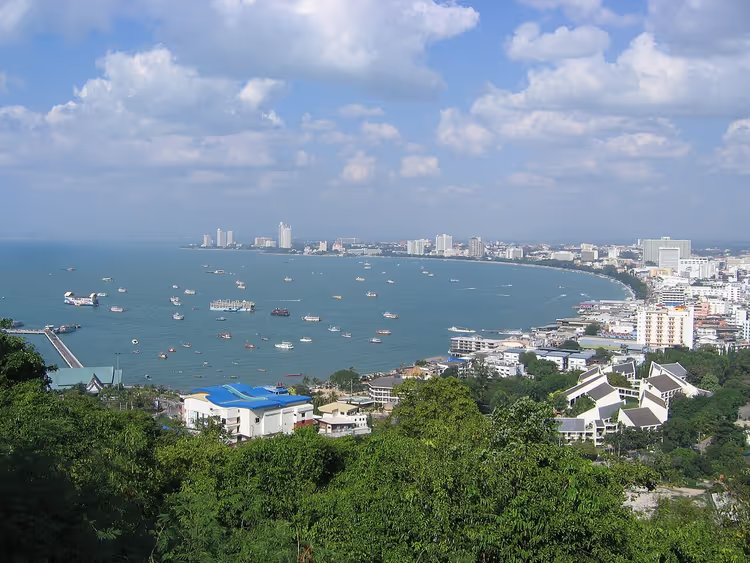
Pattaya, a city on the Gulf of Thailand, is the closest resort to Bangkok. The trip from the capital takes a few hours, so the beach is easy to combine with traveling around the country.
The city lives for nightlife: bars, clubs, cabaret theaters, and markets stay open until morning. During the day, you can visit a crocodile farm, an elephant village, a botanical garden, and a tiger zoo. Nearby stands the Sanctuary of Truth, a wooden structure with carvings across its entire facade.
 © Sergey S. Dukachev · CC BY-SAPhoto: Sergey S. Dukachev, CC BY-SA (https://creativecommons.org/licenses/by-sa/3.0), Wikimedia Commons
In the evening, Walking Street becomes pedestrian-only. A long stretch of beach runs along the whole city, so a beachfront hotel is almost always right by the sea.
Getting around the city is cheap. Songthaews, pickup trucks with bench seats in the back, run on fixed routes, and a ride costs just a token amount. Buses, minivans, and transfers run from Bangkok.
Hotels in Pattaya on Trip.com are mostly beachfront, with a pool and breakfast. The area around Walking Street is convenient for evening strolls.
The catch: the beach strip and the water near the shore are not particularly clean, so if you want to swim, choose a hotel with a pool.
Koh Samui: a quiet island in the Gulf of Thailand
Koh Samui, the country's second-largest island, is chosen for its quiet. There are no high-rise hotels on the first line here: villas and bungalows hide in coconut groves, with waterfalls rushing between them.
Chaweng and Lamai beaches hold the main infrastructure: restaurants, dive centers, night markets. For seclusion, look at Maenam and Bophut. Domestic flights come here from Bangkok, or you can take a ferry from the mainland or from Koh Phangan.
Modern hotels, cottages, and bungalows sit right at the water's edge, but wild stretches of shore remain between them. Jungle, coconut palms, and rocks sit next to bars and restaurants, so you can find a lively evening without going into town.
Hotels on Koh Samui on Trip.com are easy to filter by beach and pool availability. Activities here include diving, kayaking, and trips to the Ang Thong archipelago, and you can rent a car or scooter right on the spot, no broker needed.
The catch: from October to December, Koh Samui gets rain and strong winds (as of 09/2026, Condé Nast Traveller climate overview).
Thailand hotels: how to choose
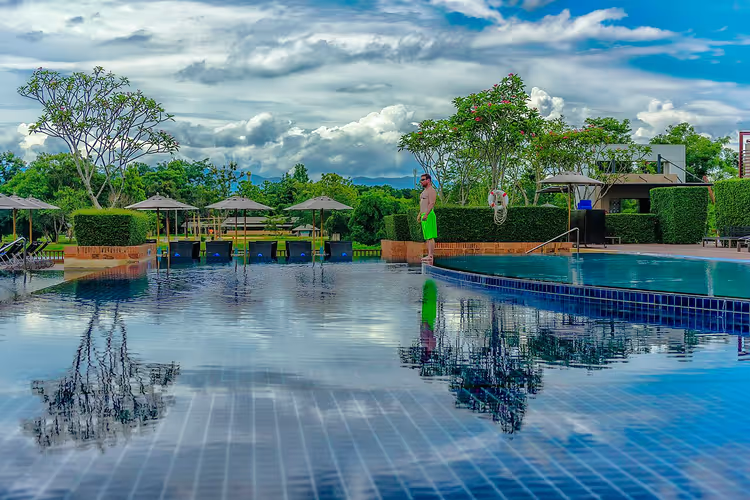
Thailand has no official star rating system. A hotel's category here is determined by its infrastructure, range of services, design, and distance to the sea, not by a sign at the entrance.
 © cloud.shepherd · CC BYPhoto: cloud.shepherd, CC BY (https://creativecommons.org/licenses/by/2.0), Wikimedia Commons
Look at three things. First, distance from the shore: the second line is cheaper, but without your own pool it will be uncomfortable. Second, the renovation date: photos in listings are often more than five years old. Third, reviews from the last season, not from all time.
In the center of Patong on Phuket, Millennium Resort Patong Phuket offers a spa, two outdoor pools, a fitness center, and five restaurants. For a relaxed stay, The Nai Harn on a hill above Nai Harn beach works well, with sea-facing balconies, a pool, and a spa.
In Pattaya, Grande Centre Point Pattaya, Hilton Pattaya, and Royal Cliff Beach Hotel hold a high category. These are modern complexes with suites, bars, restaurants, and gyms.
On Koh Samui, look for villas. Erawan Villa and Anantara Lawana Koh Samui Resort offer a private pool, garden, and access to a sandy beach. Apartments include a bedroom, living room, bathroom, and kitchen.
Prices at Millennium Resort Patong on Trip.com
The catch: without official stars, rely on current photos and reviews, otherwise the gap between "4 stars" and the actual room is sometimes large.
What to try from Thai food
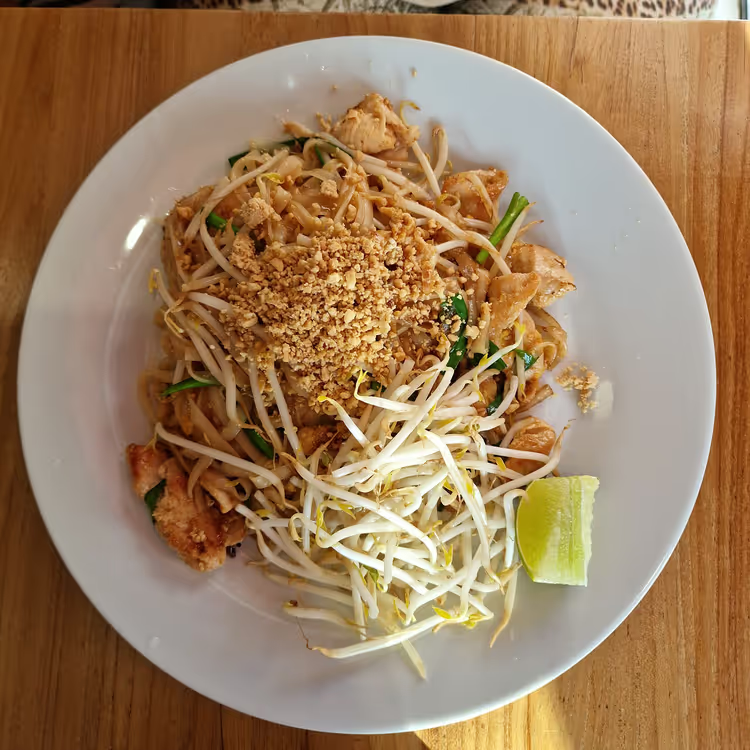
Thai cuisine is built on four tastes: spicy, salty, sour, and sweet. Cooks add lemongrass, ginger, chili, cilantro, garlic, basil, lime juice, and coconut milk. The base of dishes is rice, noodles, chicken, pork, seafood, and vegetables.
 © Anagoria · CC BY-SAPhoto: Anagoria, CC BY-SA (https://creativecommons.org/licenses/by-sa/4.0), Wikimedia Commons
Start with Tom Yum, Pad Thai, Som Tam, green curry, and mango with sticky rice. Street food stalls cook in front of you and cost less than restaurants. Food here is part of the culture, not just a way to satisfy hunger.
All-inclusive packages are rare in Thai hotels: the price usually includes a breakfast buffet. You choose lunch and dinner yourself, and that is a chance to try local cuisine.
Spicy dishes are washed down with coconut juice or rice beer, and plain rice and noodles cool the burn. Portions are small, so over the course of a day you can easily try several different dishes and find your favorites.
The catch: street food is spicy by default. Ask for "not spicy" or "mai phet" if you are not ready for chili.
What to see: temples and islands
Beyond the beaches begins the other half of Thailand: national parks with jungle, mangrove forests, waterfalls, and caves. Add to that water parks, aquariums, botanical gardens, dolphin shows, and elephant farms.
 © BerryJ · CC BY-SAPhoto: BerryJ, CC BY-SA (https://creativecommons.org/licenses/by-sa/4.0), Wikimedia Commons
Thailand's temples are recognizable by their multi-tiered roofs, carvings, and murals. Dozens of statues of mythical creatures stand on their grounds, and entry is open to tourists who follow the dress code: covered shoulders and knees.
The region's main natural site is Ko Tapu island in Phang Nga Bay. It is a limestone rock rising straight out of the water. The island gained worldwide fame after the James Bond film, so boat tours head here daily.
For a day without the beach, sanctuaries with elephants, monkeys, and crocodiles work well, as do elephant villages and farms.
Plan temples for the morning: by midday the grounds are hot, and groups gather at the main shrines. Take off your shoes at the entrance and check the dress code; in some places women in shorts are given a wrap.
Excursions: what to book in advance
 © Krzysztof Golik · CC BY-SAPhoto: Krzysztof Golik, CC BY-SA (https://creativecommons.org/licenses/by-sa/4.0), Wikimedia Commons
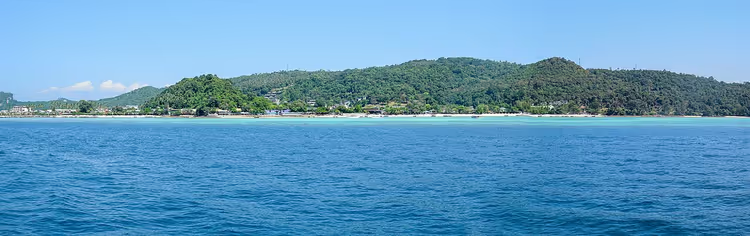
Excursions show what you cannot see from the beach: uninhabited islands, national parks, floating villages, and coral reefs. Programs come by car, boat, and on foot, for half a day or a full day.
Sea tours start early in the morning, so book your spot on the boat in advance. In high season, groups for Phi Phi and Phang Nga fill up several days before departure. Excursions and tickets on GetYourGuide are easy to compare by reviews and duration.
Check what is included in the price: hotel transfer, lunch, snorkeling masks, and entrance tickets. Diving requires a certification; kayaking only needs a briefing.
Programs differ by format. Sea tours include kayaking along sheer cliffs, river rafting, and stops at caves. Land routes lead to floating villages, waterfalls, and Buddhist shrines. Multi-day options cover several provinces at once, but cost as much as a separate trip.
The catch: boats arrive at popular spots at the same time, so viewpoints can get crowded.
Car rental in Thailand
A car gives you freedom of movement and removes the tie to a single resort. With it you can reach sanctuaries, waterfalls, and provincial towns where buses do not go.
To rent a car you need a foreign passport, a national driver's license, and an international driving permit under the 1968 convention (as of 09/2026, driver requirements). Without the international permit, insurance is void, and you can be fined at a checkpoint.
Traffic in the country is left-hand, which is the main challenge for a driver from Europe. Major rental companies usually place a hold on your card for the deposit and release it after you return the car.
Car rental on DiscoverCars shows rates from different rental companies and insurance terms with no deductible.
The catch: cities have dense scooter traffic, and the first hours behind the wheel are not easy.
Scooter and motorbike: what you need to know
The scooter remains the most popular form of transport in the country. You can rent one in every resort town, parking is always available, and fuel consumption is low.
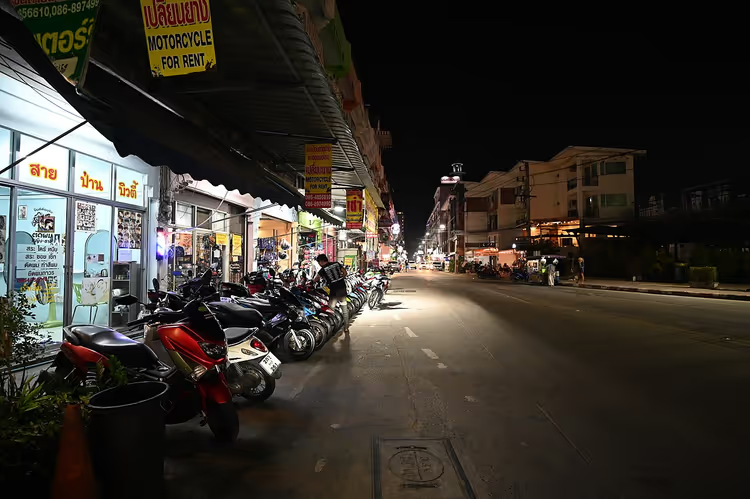 © PattayaPatrol · CC BY-SAPhoto: PattayaPatrol, CC BY-SA (https://creativecommons.org/licenses/by-sa/4.0), Wikimedia Commons
To ride you need a category A license and an international driving permit. Choose a model with an automatic transmission, it is easier on mountain roads. Always wear a helmet, it is required by law.
In mountainous areas keep a safe speed and do not brake sharply on descents. Follow traffic rules strictly: local drivers ride confidently, and tourists get into accidents more often because of fatigue and unfamiliar roads.
Scooters on Bikesbooking should be booked in advance, so you get the specific model you chose rather than whatever is left at the rental lot.
The catch: motorbike accidents are the number one reason tourists seek medical care.
How to save money in Thailand
Your trip budget consists of flights, hotels, excursions, and food. It makes sense to save in that same order.
- Flights: choose dates outside school holidays and public holidays, the price difference is significant.
- Hotel: rates drop in the low season, and the same room costs less.
- Excursions: compare prices online and at hotel tour desks, the programs are often identical.
- Food: street food stalls and markets cost less than hotel restaurants.
- Transport: a scooter, buses, and songthaew are cheaper than taxis.
The second lever for saving is trip length. The longer you stay, the lower the average daily cost, because the flight is spread over more days.
The catch: skimping on insurance costs the most, a bill from a private clinic outweighs any benefit from a cheap policy.
Thailand resorts on the map
Mark the resorts you plan to move between on the map. This way you will see the distances and understand how much time the trip will take.
The map covers the whole country, from the Andaman Sea to the Gulf of Thailand. Check transfers between remote islands in advance: without a flight, the journey takes almost a full day.
⁉️🤔 Frequently asked questions
Do I need a visa to travel to Thailand from Germany?
No, citizens of Germany, Austria and Switzerland can enter visa-free. From September 15, 2026, it gives 30 days and can be extended once for another 30 days at an immigration office. Before departure, fill out the TDAC and save the QR code (as of 09/2026, 2026 entry rules).
How long is the flight from Germany to Thailand?
A direct Frankfurt - Bangkok flight takes about 11 hours, round-trip tickets start at 627 € (as of 09/2026, Lufthansa tickets). There are almost no direct flights to Phuket and Samui, so plan a layover in Bangkok, Doha or Dubai.
When is it better to go to Phuket, and when to Samui?
Phuket and the Andaman coast are dry from November to April. On Samui, rains come in October, November and December, but from January to March the sea is calm there (as of 09/2026, seasonality by region). For a first trip to Phuket, November and December work well, just keep in mind the high prices.
Can I ride a scooter with a German driver's license?
You need a category A license and an international driving permit under the 1968 convention. Without them, you are riding illegally, and insurance will not cover an accident. A helmet is mandatory, as is sobriety: roadside checks are frequent (as of 09/2026, rules for drivers).
How much money should I take for two weeks?
Count three items: flights from 627 €, a mid-range hotel and excursions (as of 09/2026, Lufthansa flights). In the low season, the same two weeks cost less than in December. Eating at markets and street food stalls saves your budget better than skipping excursions.
In short: what is worth booking
Thailand is easy to plan around season and budget. If this is your first visit and you have two weeks, choose Phuket: beaches, temples and islands nearby.
If you are traveling with children, choose a hotel with a pool on the first line in Pattaya or Phuket. If you want quiet, choose a villa on Samui.
If your trip is in winter, book your hotel several months in advance: in December, the best rooms get taken early. If you want to see the country rather than just one beach, add transfers and rent a car or scooter.
Hotels in Thailand on Trip.com and excursions on GetYourGuide cover the two main expense items. Compare tickets in advance, and fill out the TDAC no earlier than 72 hours before departure.

A small editorial team writing guides for independent travel. We travel ourselves, but we haven’t been everywhere, so we check prices, opening hours and how to get there against official sources.