















Weather in India in January: where to go and what to pack
January is the best month for a trip to India. It is warm during the day, cool at night, and there is almost no rain (as of January, climate reference). But the weather varies greatly across the country: in the north, the Himalayas are covered in snow, while in the south you can sunbathe.
This difference determines what to pack and where to go. Below, we break down the weather by region, the main festivals of January 2026, and practical tips. All figures are checked against climate norms and official event websites.
Ad: this article contains affiliate links, we earn a commission if you book through them, at no extra cost to you.
What the weather is like in India in January
💡 In short:
- It is warm during the day, up to 30°C on the coasts, and cooler at night. There is almost no rain.
- It is cold in the north: snow in the Himalayas, cold nights, fog around Delhi and Agra.
- It is warm in the south: the sea and beaches are in peak season.
- Main events: the camel festival in Bikaner, Makar Sankranti, Republic Day.
January is the coolest month in India, but it is truly cold only on the snow-covered peaks of the north and in certain parts of the northeast. In the rest of the country, the weather is mild. The month is dry, with almost no rain.
The difference between day and night is significant. Be prepared for a daytime high of around 30°C that drops to 15°C or sometimes lower by night (based on average January values). Bring a sweater for mornings and evenings; a T-shirt is enough during the day.
That is exactly why January is convenient for travel. You can walk around and explore cities without exhausting heat. The only thing to prepare for in the north is morning fog and cold nights.
Where to go in India in January
January is a great month for a trip. The climate is mild and cool, ideal for walking and sightseeing during the day. Tourists from the Southern Hemisphere have summer holidays at this time, so popular places are crowded.
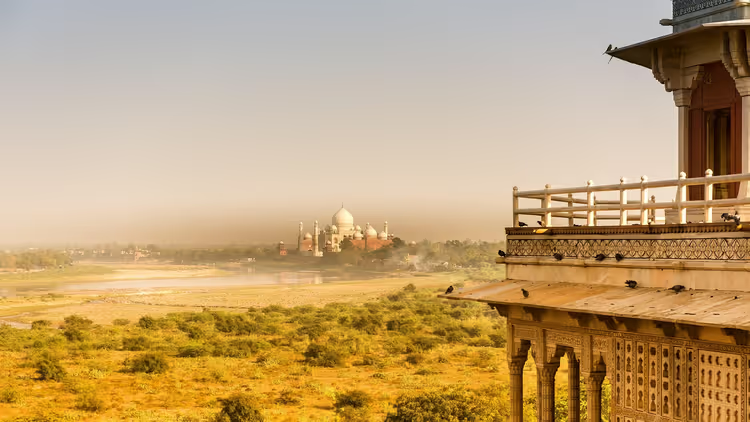
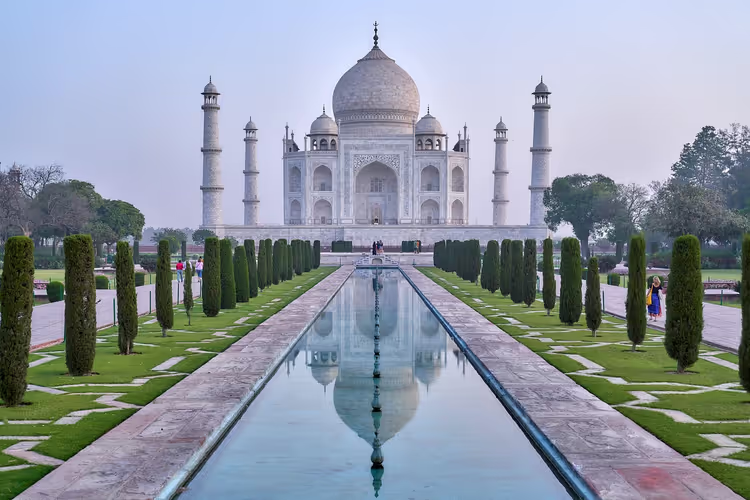
In January, it is convenient to tour the Golden Triangle. This includes the Red Fort in Delhi, the Taj Mahal in Agra, and the Hawa Mahal palace in Jaipur. Rajasthan is the most in-demand destination in January, and you can feel it in the crowds and accommodation prices.
The south is warm but not hot. You will get sun without risking a sunburn within an hour. Below, we break down each region separately: the weather differs more than it seems.
Northern India in January
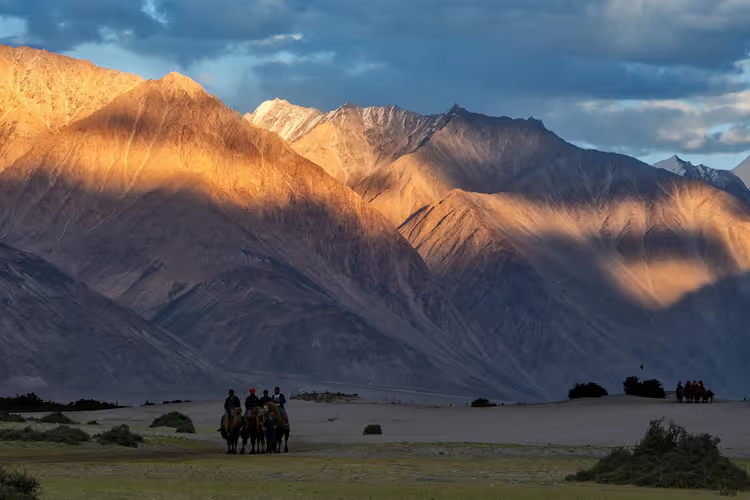
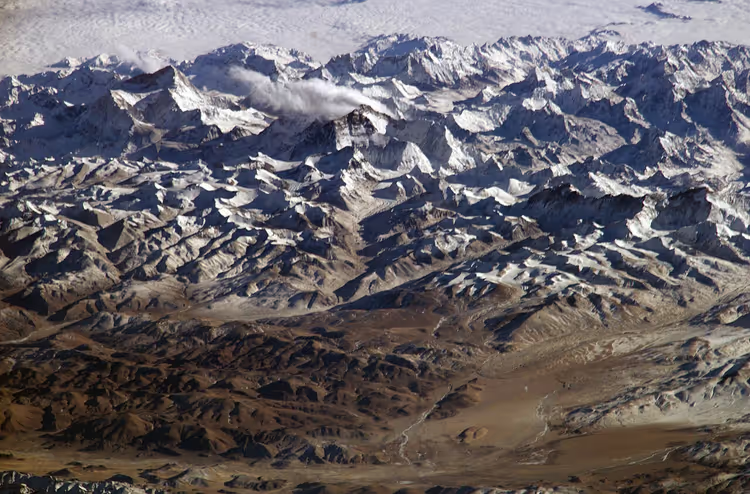
The weather in the north changes very sharply even within a single region. In the far north, the Himalayas are covered in snow. For trekking and active recreation, January is not the best choice here: many roads and trails are closed, and travel becomes difficult, expensive, and exhausting.
But for skiing, January is ideal. Gulmarg in Kashmir is one of India's most popular ski destinations. There are smaller options: Manali and Auli in the state of Himachal Pradesh. Snow cover is stable, and the slopes are open.
Delhi can be quite cold in January. During the day, the air warms up to about 18-22°C, and at night the temperature drops to 5-7°C (based on January climate norms). In Agra and the cities of Rajasthan, it is warmer during the day, around 20-28°C, but evenings are still cool.
Nights in the north are cold. Especially in nature reserves and cities like Jaisalmer, Amritsar, and Delhi. Rooms with heating are rare, found only in expensive hotels. Hotels and guesthouses usually provide warm blankets. From our travel experience: bring a blanket, warm socks, and something to cover your ears at night.
There is almost no rain or clouds in January, so you are protected from precipitation. But keep another problem in mind. Dense fog lingers around Delhi and Agra. Sometimes it does not clear for days and disrupts flight and train schedules, so allow extra time for delays.
In Punjab, January brings Lohri, a vibrant festival in honor of the sun god. It is celebrated with folk songs and a large bonfire. In 2026, Lohri falls on January 13 (according to The National).
The Bikaner Camel Festival takes place in Rajasthan every January. In 2026 it runs from January 9 to 11 (according to the festival's official website). Thousands of decorated camels take part in the fair and competitions, with plenty of music and dancing all around.
January is peak season in Rajasthan. Hotels get booked up well in advance, and there may be no rooms left by the time the dates arrive. Book your accommodation several weeks ahead: check hotel prices in Rajasthan on Trip.com. That way you lock in a place in the right city and avoid overpaying at the last minute.
Want to skip the crowds and catch warmer weather? Plan your trip to the north in February or March rather than the height of January.
South India in January
The south is comfortably warm in January. In most cities in Kerala, Karnataka, and Tamil Nadu, days are warm and nights are mild (according to the India climate guide). Humidity and rainfall are tapering off, so the south is a great choice for January.
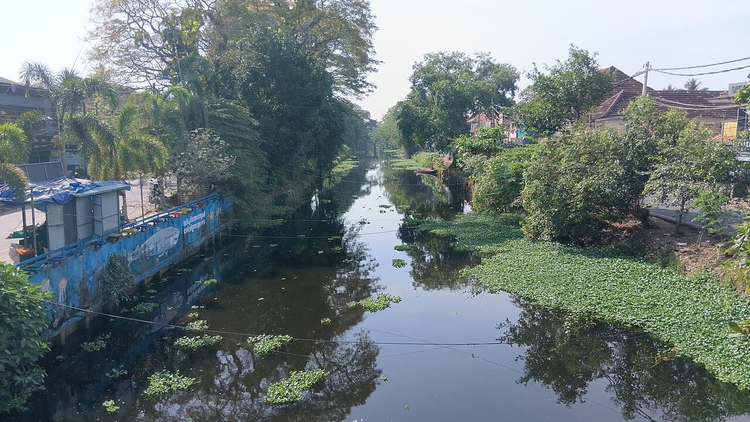
This is peak tourist season. Places like Varkala and Kochi are packed with people, so book tickets and accommodation in advance. Prices rise fast on popular dates.
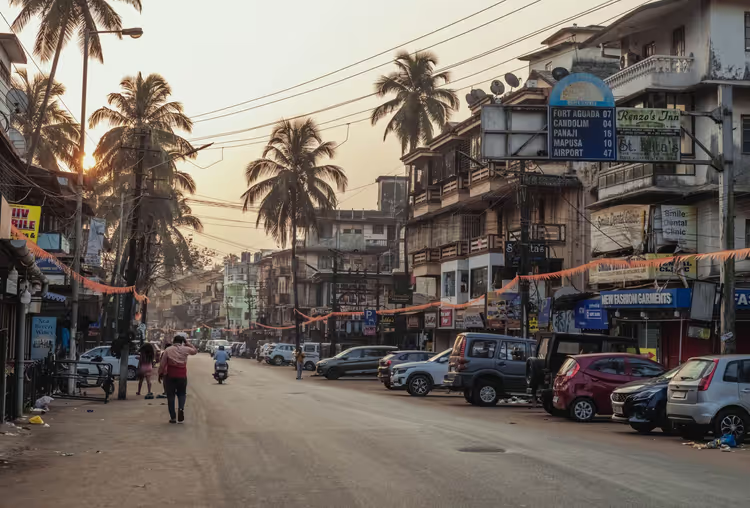
Goa is especially good in January. It rarely gets cold here, and the sunny days are very pleasant. At night a cool breeze blows across the state's rural stretches. Daytime temperatures are usually above 25°C, so you'll get your vitamin D without scorching heat. The catch: the crowds. The beaches are busy, and popular resorts get booked months in advance. If you're heading to Goa, look at accommodation options early: hotel prices in Goa on Trip.com.
Tamil Nadu celebrates Pongal, the harvest festival, in January. It's a major cultural event featuring a special dish made from freshly harvested rice. In 2026 Pongal falls on January 14, along with Makar Sankranti (according to a piece in The National).
The float festival (Teppam) at the Meenakshi Temple in Madurai takes place around the same time. It's celebrated on the full moon: the grounds are decorated with bright lights, and rituals are held by the temple tank. The spectacle is worth adjusting your route to match the date.
East and northeast India in January
Eastern India is fairly dry in January. On the east coast, in Puducherry and the state of Odisha, temperatures stay in the 20-28°C range (according to the east coast climate summary). The mild weather makes January a good time to travel east.
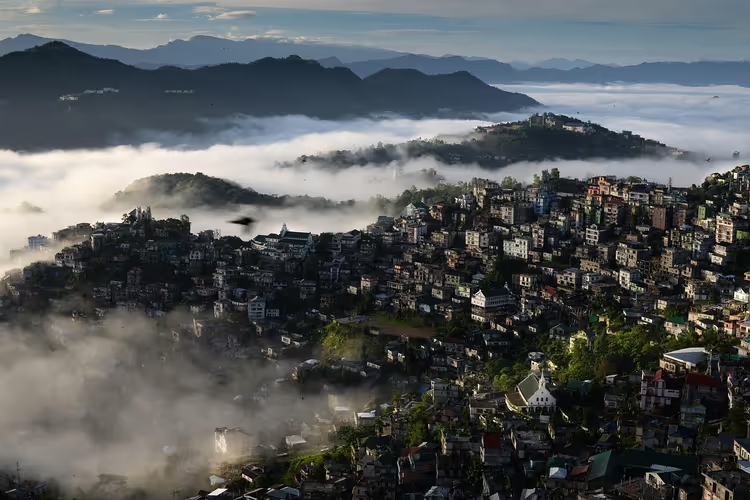
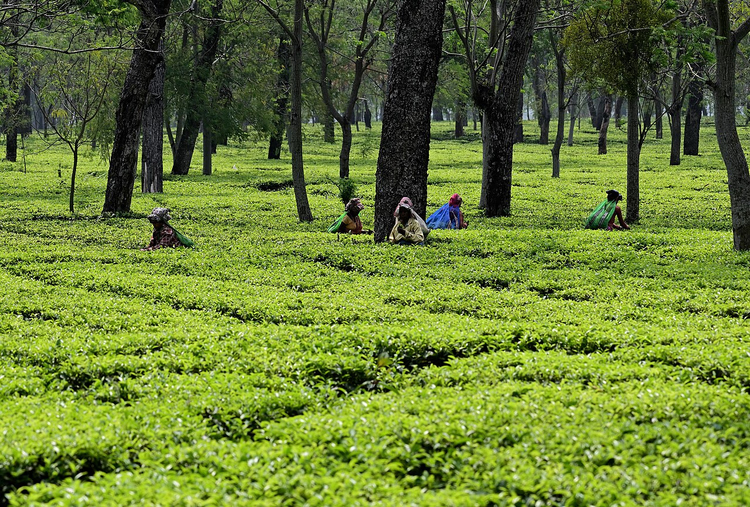
The northeast is dry too. This is one of the few months when the sky is clear and you can comfortably spend time outdoors. You'll go trekking, hiking, and camping. Check out the living root bridges in Meghalaya or Gangtok in Sikkim.
 © Drashokk · CC BY-SAPhoto: Drashokk, CC BY-SA (https://creativecommons.org/licenses/by-sa/4.0), Wikimedia Commons
Western India in January
Western India in January is noticeably warm: the Arabian Sea and the Gulf of Kutch are nearby. In the coastal cities, Mumbai and Goa, temperatures stay in the 20-30°C range (according to western coast climate data). This is a great time to relax on the beaches of the western coast or hike through the hills of the Western Ghats. The farther inland you go, the warmer the climate gets.
In mid-January, Makar Sankranti takes place. It's widely celebrated in Maharashtra and Gujarat. In Gujarat, an international kite festival is held on this day: the sky is literally filled with kites.
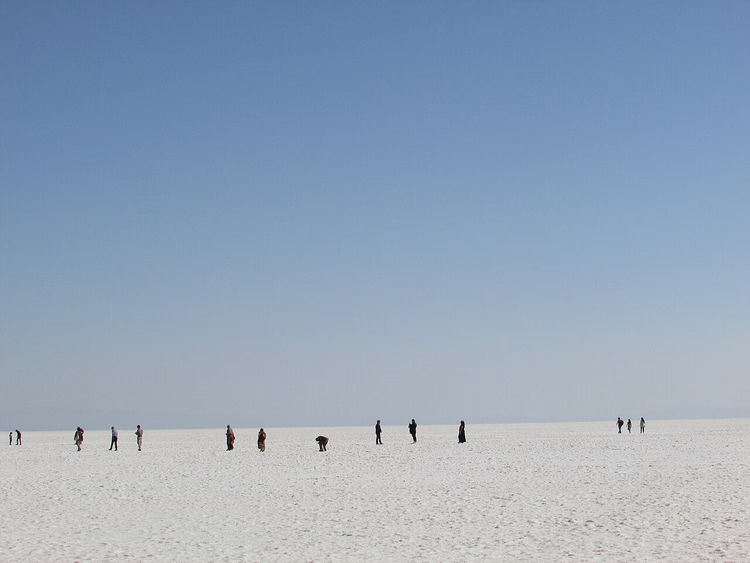
Around the same time, Rann Utsav takes place in Gujarat. Numerous concerts, music, and dance performances happen in a tent city on the edge of the White Rann in the Thar Desert. For the 2025-2026 season, the festival runs until February 20, 2026 (according to Gujarat Tourism). Come during the full moon: the moonlight reflects off the white salt plain, and it looks stunning.
 © Ranjith Kumar Inbasekaran · CC BY-SAPhoto: Ranjith Kumar Inbasekaran, CC BY-SA (https://creativecommons.org/licenses/by-sa/4.0), Wikimedia Commons
Central India in January
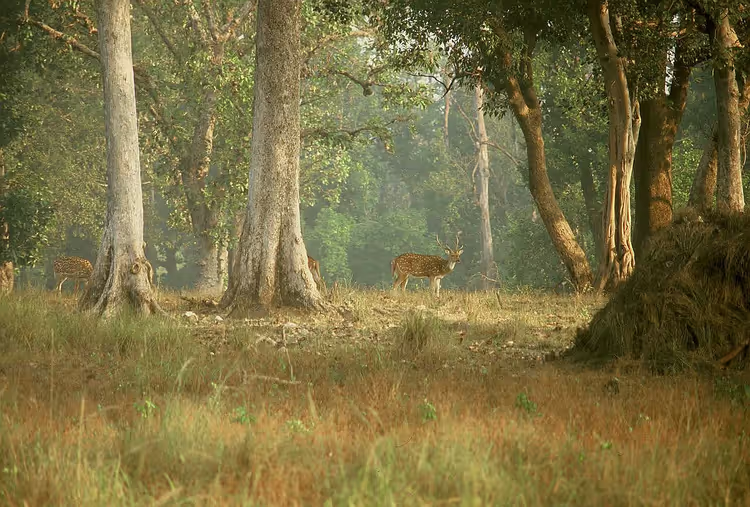
In Nagpur, Lucknow, and the rest of central India, January is warm and pleasant. This is the ideal time for sightseeing in cities and safaris in the region's national parks. Late evenings and early mornings in the parks can be chilly, so bring warm clothing. Rain is rare in January, so an umbrella and raincoat are unlikely to be needed, but you can bring them just in case.
Dawn safaris are the main reason to come here specifically during the dry season. Animals come out to the water, visibility is open, and the roads are passable.
Tips for traveling to India in January
We put together a short checklist of what matters this month.
Republic Day: January 26 is a public holiday in India, Republic Day (see the official calendar). The main ceremony with a parade takes place at the Red Fort in Delhi. On this day some areas are packed, and some sites are closed.
Crowds: almost all major attractions are packed in January. If you can, pick routes away from the most hyped spots. That way you save time in lines.
Far north: many places are closed or cut off by snow. In January it is better not to plan such destinations unless it is a ski resort.
Clothing: pack for the region. For the north you need warm layers: a blanket, a jacket or a shawl, because nights there get cold. For the south take light clothing, but add a jacket or sweater for the evening.
Medication: keep a basic first aid kit handy. Colds and viral infections are more common in winter. Medical care is available in most tourist areas, but it is better to bring the medications you are used to.
In short, January is a strong month for traveling around this diverse country. In most regions the weather lets you travel and see everything without getting worn out.
⁉️🤔 Frequently asked questions
What is the weather like in India in January?
January is the coolest month. It is warm during the day, up to 30°C on the coasts, and noticeably cooler at night. The month is dry, with almost no rain. The exceptions are the snow-covered Himalayas in the north and morning fog around Delhi and Agra.
Where should I go in India in January?
For culture, the Golden Triangle (Delhi, Agra, Jaipur) and Rajasthan. For warmth and the beach, Goa and the south: Kerala, Karnataka, Tamil Nadu. For skiing, Gulmarg, Manali or Auli in the north. The south is warm in January, and it is peak season.
Is it cold in northern India in January?
Yes, especially at night. In Delhi it is around 18-22°C during the day, and at night the temperature drops to 5-7°C. There is snow in the Himalayas, and many roads are closed. Heating is only available in expensive hotels, so bring warm clothing and a blanket. During the day it is usually sunny and dry.
Which festivals take place in India in January 2026?
Lohri on January 13, Makar Sankranti and Pongal on January 14. The Camel Festival in Bikaner runs from January 9 to 11. Rann Utsav in Gujarat runs until February 20. Republic Day is celebrated on January 26 with a parade at the Red Fort in Delhi.
What should I pack for a trip to India in January?
Pack for the region. For the north you need warm layers: a jacket, a blanket, warm socks, because nights are cold. For the south take light clothing plus a jacket for the evening. Add a basic first aid kit: colds are more common in winter. You are unlikely to need an umbrella, since there is almost no rain.
In short: what to pack and where to book
January works for almost any trip to India, but the regions are very different. The north has cold nights, snow and fog, the south is warm and crowded, and the center is dry and good for safaris. Pick one scenario and pack for it, and book accommodation in peak destinations in advance.
- If you want snow and skiing: go for Gulmarg, Manali or Auli in the north.
- If you want warmth and the beach: go for Goa or the south, but book your resort a month ahead.
- If you are going for culture: go for the Golden Triangle and the festivals of Rajasthan.
- If you love nature: go for a safari in central India or trekking in the northeast.
Planning a trip in peak season? Compare hotel prices in India early, while rooms are still available.

A small editorial team writing guides for independent travel. We travel ourselves, but we haven’t been everywhere, so we check prices, opening hours and how to get there against official sources.