
















Dubai in 4 days on your own: ready-made day by day itinerary
Dubai can genuinely be seen in four days on your own, without a travel agent or group buses. The city stretches along the coast, distances are long, and in summer the air heats up above 40 °C. So it's worth planning your route in advance and splitting it by district.
This guide is a ready-made four-day plan with transport, prices, and honest catches. Burj Khalifa, the tallest building in the world (828 m, as of 09/2026, official website), is at the center of the program, but it's far from the only thing. We've split the days so you spend less time traveling and more time seeing.
Explore the city by district. Day one is the Marina, Jumeirah, and parks, day two is Downtown, day three is old Dubai along Dubai Creek, day four is day trips outside the city. Book observation deck slots and entry tickets online in advance; in high season, sunset slots sell out first.
If you're short on prep time, stick to three pillars: Burj Khalifa tickets, transport between districts, and one day-trip day. Everything else can be adjusted on the go; the metro connects almost all the key points. Below, each day is broken down by sights, with transport, prices, and honest catches.
Ad: this article contains affiliate links; we earn a commission if you book through them, at no extra cost to you.
Day one: Marina, Jumeirah, and parks
💡 In short:
- Day one is an introduction to the modern city: the Marina promenade, the white mosque, and a public beach.
- Start in the morning at the beach; by midday it gets hot there, and arrive at the Marina around sunset.
Dubai Marina
 © trolvag · CC BY-SAPhoto: trolvag, CC BY-SA (https://creativecommons.org/licenses/by-sa/3.0), Wikimedia Commons
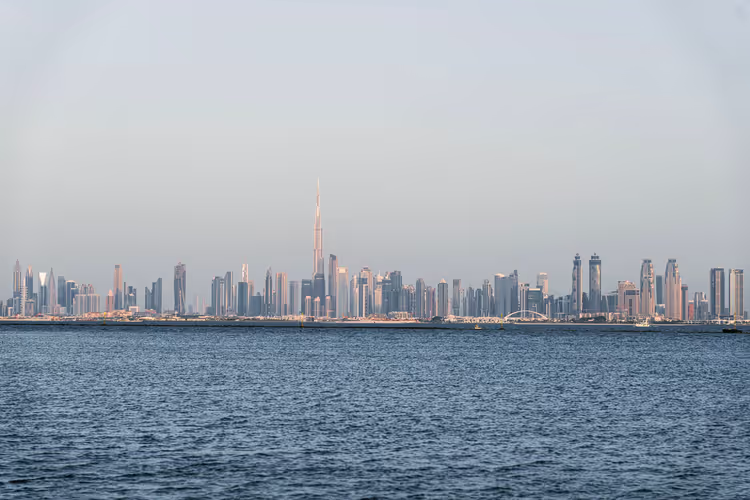
Dubai Marina is an upscale district of skyscrapers around a man-made canal in the western part of the city. Miles of walking, running, and cycling paths run along the water, so it's pleasant to stroll here both in the morning and after sunset. The Palm islands begin right past the promenade.
Dozens of high-rise residential towers stand around the canal. Some buildings are still under construction, so part of the skyline is covered in scaffolding. In the evening, the towers light up, and the view over the water becomes one of the best in the city. In practical terms: arrive around sunset, and spend the midday heat in an air-conditioned mall nearby.
The catch: parking at the Marina is paid and often full. It's easier to take the metro to Dubai Marina station and walk from there. Jumeirah Beach Residence beach stretches right from the promenade; entry is free.
Jumeirah Mosque
 © trolvag · CC BY-SAPhoto: trolvag, CC BY-SA (https://creativecommons.org/licenses/by-sa/3.0), Wikimedia Commons
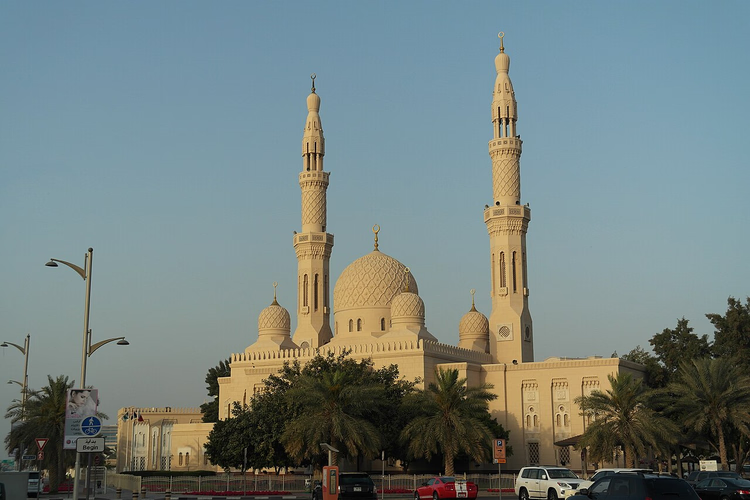
Jumeirah Mosque adorns the central part of the city on Jumeirah Beach Road. The white building is built in the traditional Fatimid style: with two minarets, carved ornamentation, and clean lines. It looks especially impressive at night, when the facades are lit with hundreds of lights.
Several thousand worshippers can fit under its arches at once; it's one of the largest mosques in the city. It's also a rare mosque that admits non-Muslims, and this happens through tours run by the Sheikh Mohammed Centre for Cultural Understanding (SMCCU). A guide explains the basics of Islam and answers guests' questions.
Entry requires modest clothing: shoulders and knees covered, and a headscarf for women. Tour schedules change by season, so check the exact time and ticket price with the center in advance. The catch: there are no tours on Friday afternoons; the mosque is occupied with prayer.
Jumeirah Open Beach
 © V0L0DYA · CC BYPhoto: V0L0DYA, CC BY (https://creativecommons.org/licenses/by/3.0), Wikimedia Commons
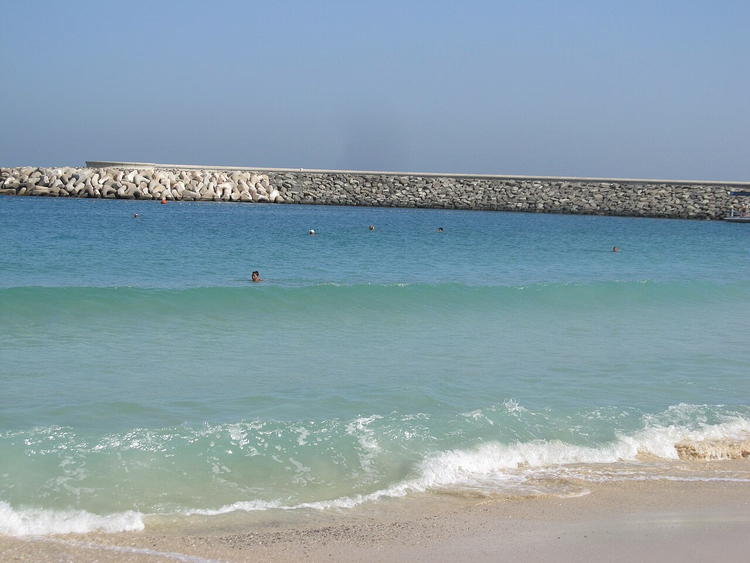
Jumeirah Open Beach is a free public beach along the Palm islands. Its quality is on par with the city's paid beaches, and in some ways it's even more convenient: running and cycling paths run along the shoreline, and there are changing rooms, showers, and cafes.
The sand was brought in from the desert, so the shore is cleaned daily with special machines. This beach offers the best views of Burj Al Arab, Port Rashid, and the Marina skyscrapers. Come around 8-9 am: by midday the sand gets scorching hot, and the free loungers run out.
The catch: on weekends it's crowded by the water, and there's almost no shade. Bring an umbrella and water, and watch children closely when swimming; the current is strong in places.
Wild Wadi Waterpark
 © Валерий Дед · CC BYPhoto: Валерий Дед, CC BY (https://creativecommons.org/licenses/by/3.0), Wikimedia Commons
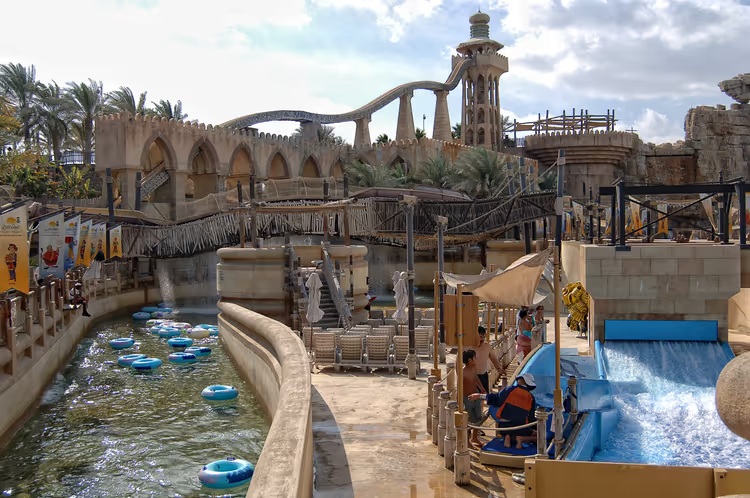
Wild Wadi is a waterpark next to Jumeirah Beach Hotel, one of the most famous in the Middle East. The name translates as "mountain riverbed," and the rides are themed around the tales of Sinbad the Sailor. There are water slides, artificial waves, and fast-current sections.
Guests under 110 cm are not allowed on the most extreme slides; there are separate areas for children. The free fall on the main slide is memorable for a long time, but it's exactly the one they close in strong winds.
It's better to buy tickets online: waterpark tickets on Tiqets. Arrive at opening; by midday the lines for popular slides grow. The catch: loungers by the pool get taken quickly, and it's better to bring your own towel.
Palm Jumeirah Islands
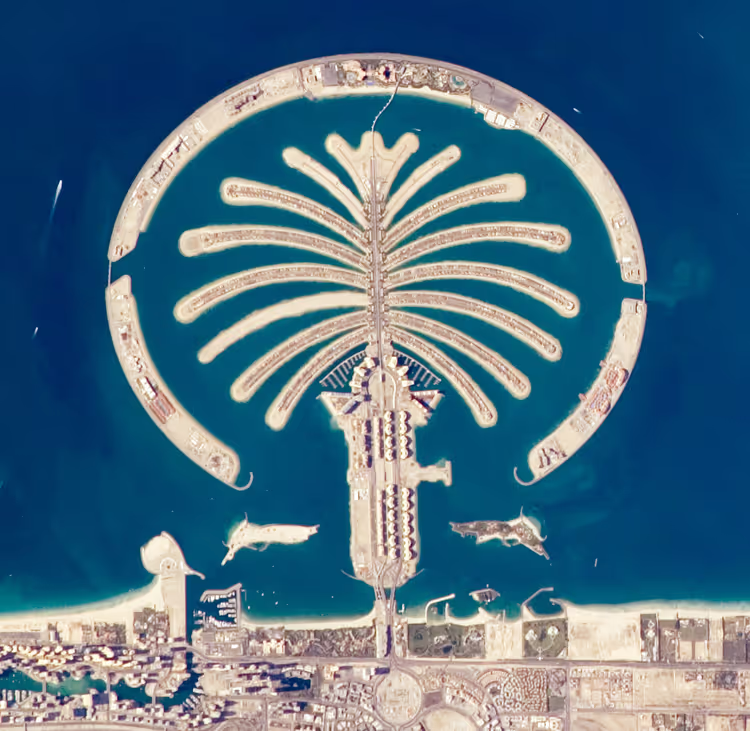
Palm Jumeirah is an artificial island shaped like a palm frond. Construction of the main "trunk" is complete; the two neighboring islands are still being finished. Hotels, restaurants, and residential complexes line the trunk, while villas and beach clubs sit on the "fronds."
The waves near the shore are calm: the island is protected by the "crescent" breakwater. The Palm Monorail and a highway connect the Palm to the mainland, so the trip takes little time. Ground-level views are modest, but from the air the palm silhouette is fully visible; for that, it's worth taking a helicopter flight over the Palm.
The catch: there's almost no public transport on the island; you'll need a taxi or the monorail.
Butterfly Garden
 © Balou46 · CC BY-SAPhoto: Balou46, CC BY-SA (https://creativecommons.org/licenses/by-sa/4.0), Wikimedia Commons
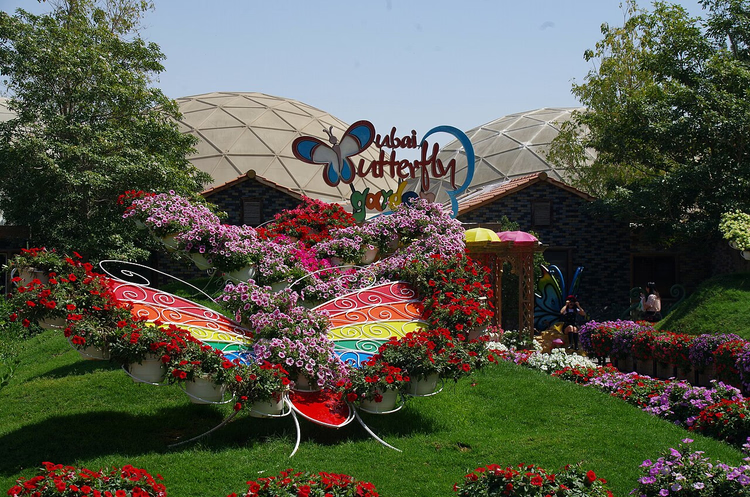
Dubai Butterfly Garden is a park under domes next to the Flower Park. Inside, a tropical rainforest climate is maintained, so butterflies live and breed year-round. Each dome is a separate ecosystem: one has aviaries with tropical birds, another has a small waterfall.
The domes are connected by enclosed walkways, so you won't need to go outside. Butterflies fly freely and often land on guests. Near the entrance there is a small museum of pictures made from butterfly wings.
The catch: it's humid and hot inside, so bring water. You can cover the whole park in an hour to an hour and a half.
Flower Park
 © Dayneferrera · CC BY-SAPhoto: Dayneferrera, CC BY-SA (https://creativecommons.org/licenses/by-sa/4.0), Wikimedia Commons
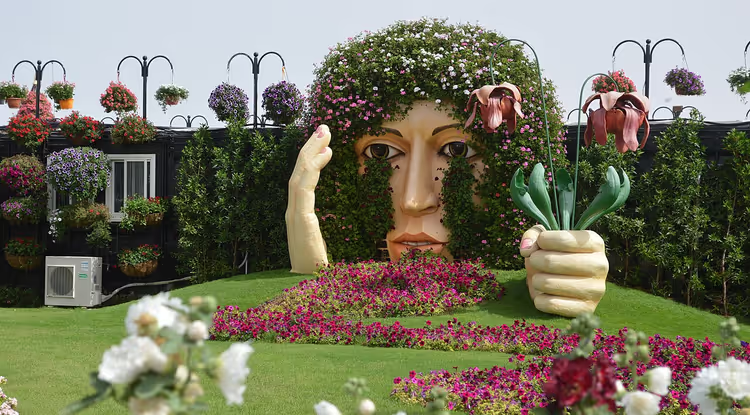
Dubai Miracle Garden is a garden with flower beds and sculptures made of live flowers. There are flower arches, houses, animal figures, and entire compositions that change every season. You'll be doing a lot of walking: the park's area is comparable to a dozen football fields.
Seasonality matters here. The park operates only during the cooler months, roughly from October to May, and closes for the summer heat. If you're arriving in September, the park is still closed: check the opening date before your trip.
The catch: there's almost no direct sun here, but the narrow paths get crowded. The Butterfly Garden is right next door, so both attractions are convenient to visit in one trip. It's far from the Marina, so plan your taxi ride in advance.
IMG Worlds of Adventure theme park
 © Jeremy Thompson · CC BYPhoto: Jeremy Thompson, CC BY (https://creativecommons.org/licenses/by/2.0), Wikimedia Commons
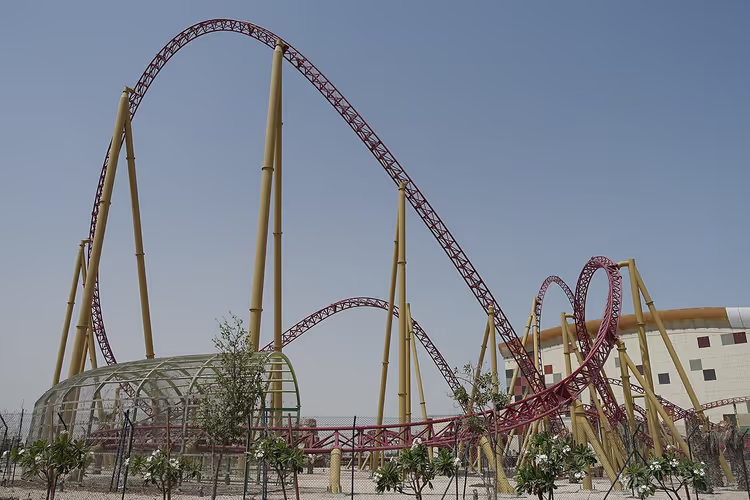
IMG Worlds of Adventure is the city's largest indoor theme park. Its area is comparable to two dozen football fields, and its themed zones are dedicated to dinosaurs, Marvel heroes, and Cartoon Network cartoons. Under the roof you'll find both gentle carousels and extreme roller coasters.
The dinosaur zone recreates the "Lost Valley": life-size reptiles move and roar. The extreme rides can scare younger children, so with little ones it's better to head to the family zone.
The catch: the park is far from the center, and getting there by taxi is expensive. Set aside at least half a day separate from the Marina, otherwise you won't have time to cover all the zones.
Day two: Burj Khalifa, the fountain, and the parks
Spend your second day in and around Downtown. This is where the city's most famous landmarks are concentrated: the Burj Khalifa skyscraper, the musical fountain, and the aquarium. Take the metro to Burj Khalifa/Dubai Mall station. Walk between the tower, the fountain, and the aquarium, and take a taxi to the other sights.
It's a packed day, so decide in advance what matters most to you. If you want to go up the tower and visit the aquarium, get a combo ticket and don't waste time at two separate ticket counters. Leave a break for a cafe between visits: even short walks in the heat are exhausting.
Good to know: Burj Khalifa, Dubai Mall, and the Dubai Fountain are all in one complex, so you won't need transport between them. Ski Dubai is not in Downtown but in Mall of the Emirates, so plan a separate trip for it. The aquarium is also inside the mall, and the exit to the lake with the fountain is on the lower levels near the waterfront. In the evening, allow extra time for the metro ride: at rush hour the cars are packed.
Ski Dubai indoor ski resort
 © Alberto-g-rovi · CC BY-SAPhoto: Alberto-g-rovi, CC BY-SA (https://creativecommons.org/licenses/by-sa/3.0), Wikimedia Commons
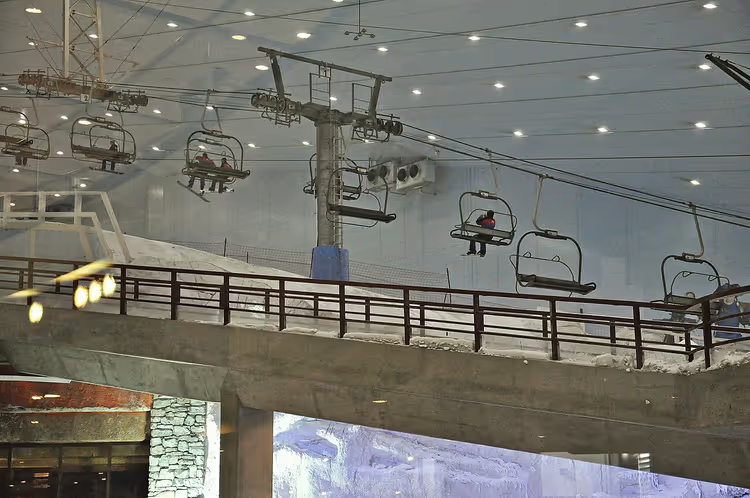
Ski Dubai is an indoor ski resort inside Mall of the Emirates. The temperature inside is kept below freezing, so you can ski here year-round while it's scorching outside. There are five slopes of varying difficulty, from a gentle beginner slope to steeper runs.
Warm clothing is provided on site, so you don't need to bring a jacket or boots. There are ski lifts, and instructors are available for beginners. While adults ski, kids can do quests with entertainers in a separate club.
It's better to buy tickets in advance: Ski Dubai tickets on Tiqets. The catch: rental is included in the price, but photos with the snow penguins are sold separately.
Burj Khalifa observation deck
 © OzAdr1an from Canberra, Australia · CC BYPhoto: OzAdr1an from Canberra, Australia, CC BY (https://creativecommons.org/licenses/by/2.0), Wikimedia Commons
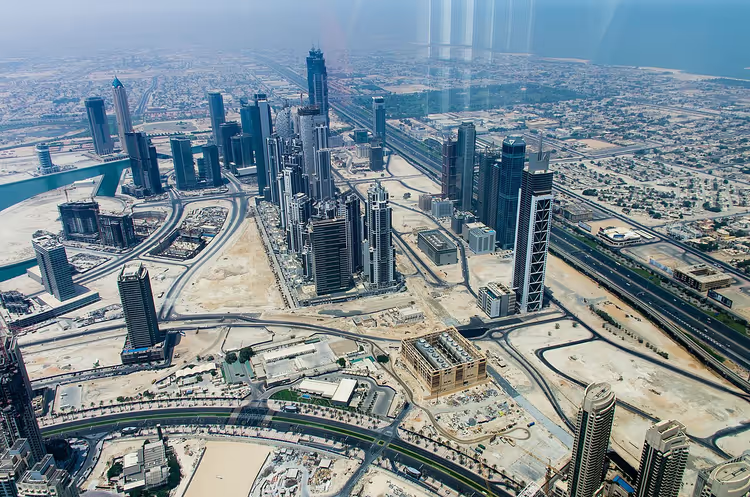
Burj Khalifa, the tallest building in the world, stands 828 meters tall (as of 09/2026, tower website). The At The Top observation deck occupies floors 124 and 125, and higher up there's the SKY level on floor 148. The panoramic windows offer views of the entire city, the Persian Gulf, and the desert on the horizon.
Floor 148 has a lounge area, and floor 124 has an interactive screen with a virtual tour of Dubai. Prices and opening hours were checked in 09/2026 on the ticket website: morning slots are cheaper than afternoon and evening ones. Book a time about an hour before sunset, and you'll see the city both in daylight and lit up at night.
Sunset slots sell out first, so book tickets for floors 124 and 125 in advance. The catch: in high season there can be a line for the elevator, and the ride up takes time.
If you want to go higher and avoid the crowds, there's a premium format with access to floor 148: tickets for floors 124, 125, and 148.
Tours and tickets in Dubai
Guided tours, skip-the-line tickets and activities — most offers can be cancelled free of charge.
See offers on TiqetsThe widget loads once you give your consent.
The Dubai Fountain
 © Nealt · CC BY-SAPhoto: Nealt, CC BY-SA (https://creativecommons.org/licenses/by-sa/3.0), Wikimedia Commons
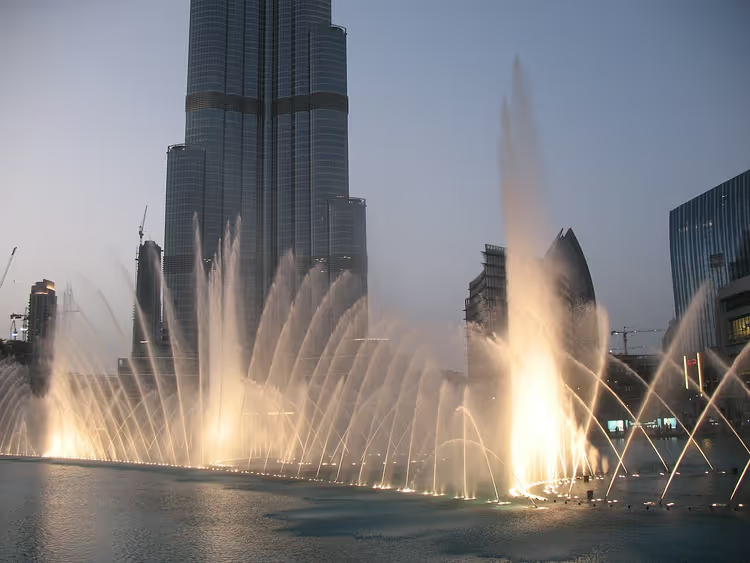
Dubai Fountain is a musical fountain in the artificial lake at the foot of Burj Khalifa. The lake covers about 12 hectares, and the fountain itself is one of the largest and most powerful in the world. Jets of water shoot up to music by global artists, and the lighting makes the show especially spectacular at night.
The shows are short, usually a few minutes, and repeat every half hour from the evening onward. The best place to watch is from the waterfront promenade by Dubai Mall. Arrive early: the best spots on the bridge are almost always crowded.
The catch: on windy evenings the show may be canceled, and the spray reaches the front rows. Admission is free.
Dubai Opera
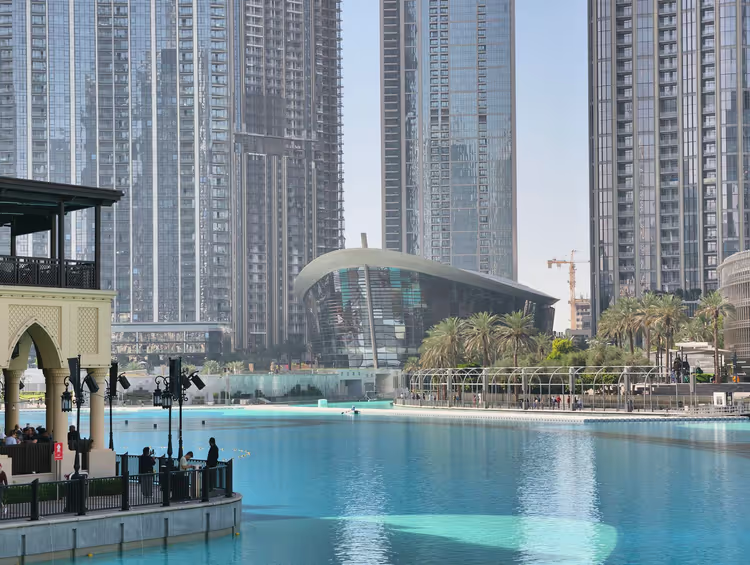
Dubai Opera is a concert hall shaped like an Arabian dhow boat. The glass and concrete building is in Downtown, next to Burj Khalifa. The hall seats about two thousand people, so even major productions have comfortable seating.
The program includes world musicals, classical concerts, ballet, and jazz. The hall has good acoustics, and the lineup changes every week. Check tickets in advance: popular evenings sell out completely.
The catch: tickets for top evenings are expensive and sell out early. There's no dress code, but guests dress up for gala concerts.
Dolphinarium
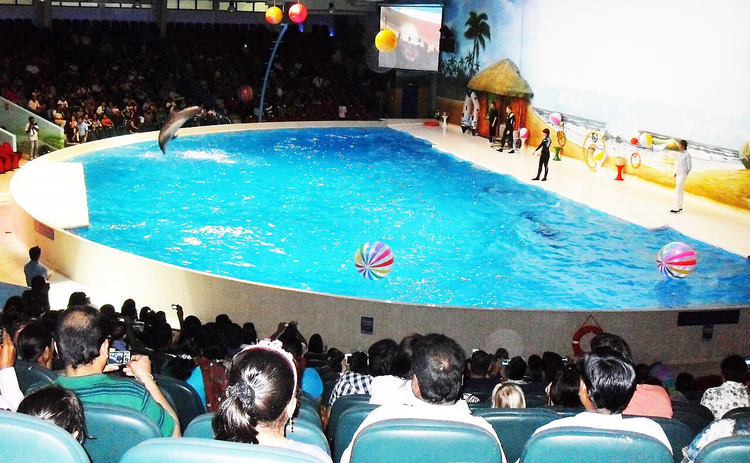 © Georgekurian80823 · CC BYPhoto: Georgekurian80823, CC BY (https://creativecommons.org/licenses/by/3.0), Wikimedia Commons
Dubai Dolphinarium is an indoor dolphin and fur seal show. Bottlenose dolphins dance, play with a ball, and even paint, while the evening program adds water acrobatics and magic tricks. Shows sell out, so book tickets in advance.
On some days guests are allowed to swim with the dolphins; check the schedule for those sessions on site. The venue also houses the only mirror maze in the Emirates, which is easy to visit before the show.
The catch: the programs last about an hour, and the line for swimming with the animals is long. Children under three are not admitted to some sessions.
Zabeel Park
Zabeel Park is a large green area in the city center, split into two parts by a highway. The parts are connected by decorative bridges, so road noise barely interferes with a walk. It has avant-garde fountains, running paths, and picnic lawns.
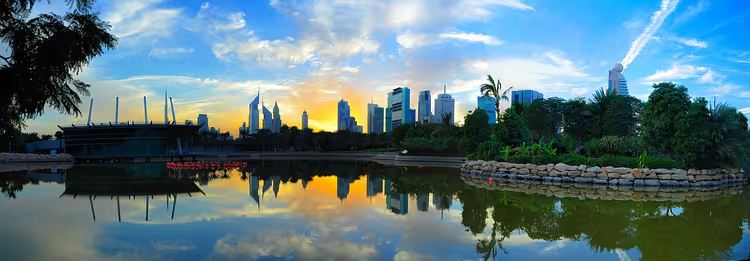 © Challiyil Eswaramangalath Pavithran Vipin · CC BY-SAPhoto: Challiyil Eswaramangalath Pavithran Vipin, CC BY-SA (https://creativecommons.org/licenses/by-sa/2.0), Wikimedia Commons
For families, the park is convenient thanks to barbecue zones and a children's playground with carousels and swings. The grounds also feature the Star Gate entertainment complex, shaped like a spaceship with planet domes.
The catch: in summer, walking without shade is tough. On weekends the park fills with local families, and free grills are claimed from the morning.
Dubai Frame
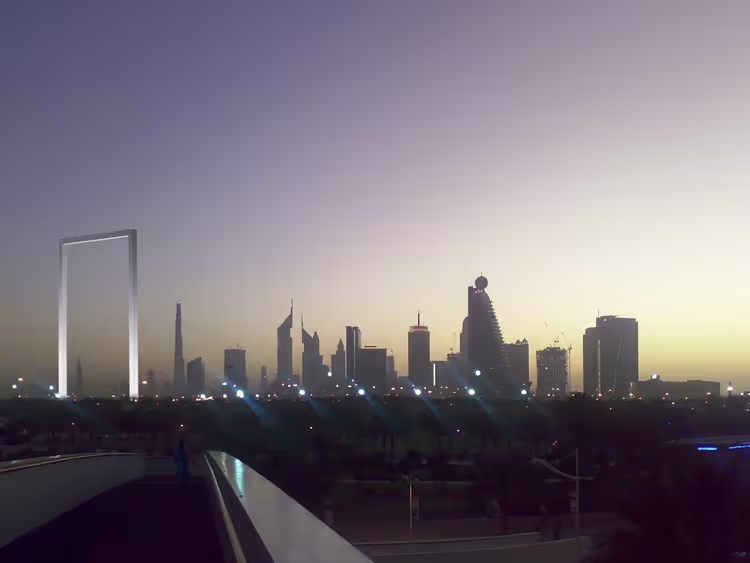 © Sachimo · CC BY-SAPhoto: Sachimo, CC BY-SA (https://creativecommons.org/licenses/by-sa/4.0), Wikimedia Commons
Dubai Frame is a frame about 150 meters high, standing on the border of the old and new city in Zabeel Park. A glass bridge at the top connects the two towers, and the floor in the center is transparent, so the city is visible right under your feet. Inside, there is a Dubai history museum.
The frame is noticeably taller than the Egyptian pyramids, and the cladding features gold leaf. The observation deck is open daily from 8:00 to 21:00 (as of 09/2026, official website). The glass floor is the main impression, but not for those afraid of heights.
Book tickets in advance: Dubai Frame tickets with a time slot. The catch: the elevator line is long, so come at opening time.
Aquarium
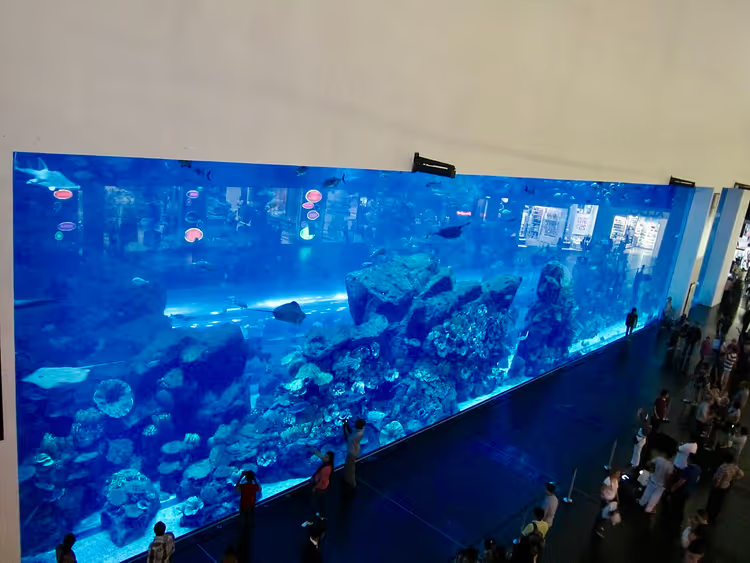 © Ank Kumar · CC BY-SAPhoto: Ank Kumar, CC BY-SA (https://creativecommons.org/licenses/by-sa/4.0), Wikimedia Commons
Dubai Aquarium is part of the Dubai Mall complex and is one of the largest aquariums in the world. Its three-story tank is home to tens of thousands of marine creatures. A glass tunnel runs the entire length, letting you walk right next to fish and rays.
Rays are the main photo stars here. Certified divers can dive into the tank and swim among sharks; beginners receive training before the dive. Entry to the aquarium itself is paid, while the viewing area by the huge glass is free.
It is better to combine visits: combo ticket for the aquarium and Burj Khalifa. The catch: the tunnel is crowded, and photos by the glass come out better without flash.
Zoo
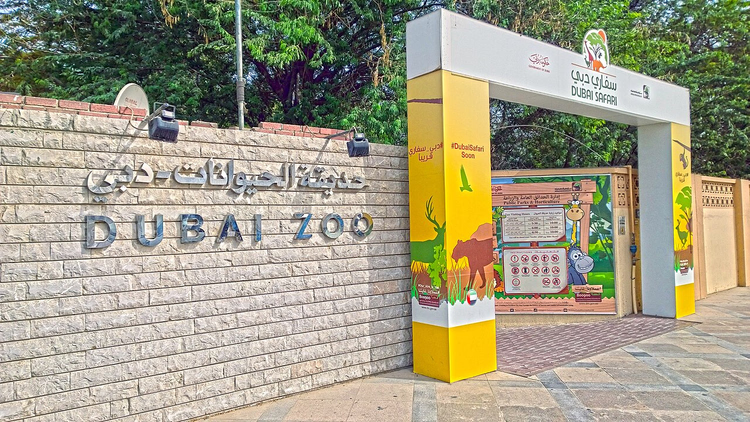
The historic Dubai Zoo in Jumeirah was one of the first on the Arabian Peninsula. Today the animals have been moved to Dubai Safari Park, so that is where you should see them now. The walkways are lined with leafy trees familiar to Europeans rather than palms, so there is shade here.
The zoo itself is closed to visitors; there are no animal enclosures here anymore.
A strict dress code applies: keep your shoulders and knees covered. The catch: the park is far from the center, so getting there takes time.
The Green Planet
 © Tim Reckmann from Hamm, Deutschland · CC BY-SAPhoto: Tim Reckmann from Hamm, Deutschland, CC BY-SA (https://creativecommons.org/licenses/by-sa/3.0), Wikimedia Commons
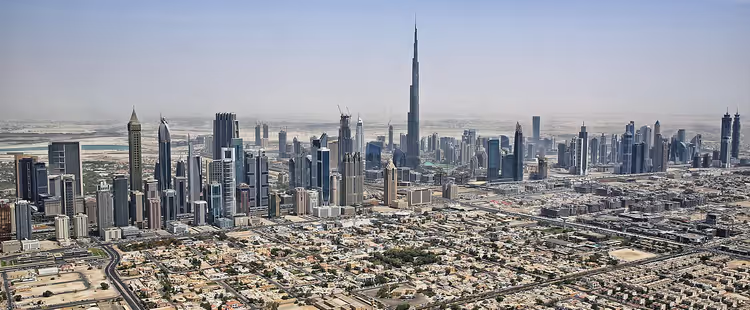
The Green Planet is an indoor tropical forest under a glass dome. The building is inspired by origami, and inside it recreates the conditions of the Amazon rainforest. Four levels are home to thousands of plant and animal species from South America.
Sloths sleep on branches, toucans walk along glass walkways, and rodents and reptiles try to hide from the heat. The complex is interesting for schoolchildren and anyone who loves nature. The ascent follows spiral staircases around the central tree.
The catch: it is humid inside, and the route takes about two hours. Buy tickets online to avoid waiting at the ticket office.
Dubai Garden Glow
 © Lloyd Bayer · CC BY-SAPhoto: Lloyd Bayer, CC BY-SA (https://creativecommons.org/licenses/by-sa/4.0), Wikimedia Commons
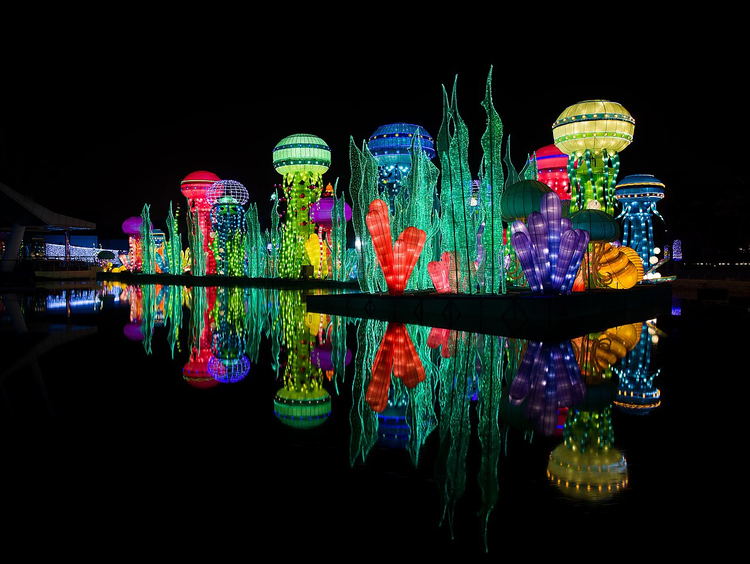
Dubai Garden Glow is an LED park in Zabeel Park near the Emirates Towers. All installations are made from recycled materials and old bottles, and the lighting here is LED to save electricity. Some of the installations have made it into the Guinness World Records.
A separate zone is Dinosaurs Park: life-size dinosaurs move and roar, which impresses kids. There are also "talking" trees and glowing flowers. Come in the evening, when the lights are switched on.
The catch: the park only operates after dark, so there is no point going during the day. Tickets are sold at the entrance and online.
Day three: old Dubai and Dubai Creek
Spend day three in the old city along Dubai Creek. There are no glass towers here, but clay houses, markets, and wind towers remain. Start in the Al Fahidi district, and in the evening see the city from the water.
Bastakiya historical district
 © Ankur Panchbudhe · CC BYPhoto: Ankur Panchbudhe, CC BY (https://creativecommons.org/licenses/by/2.0/), Flickr
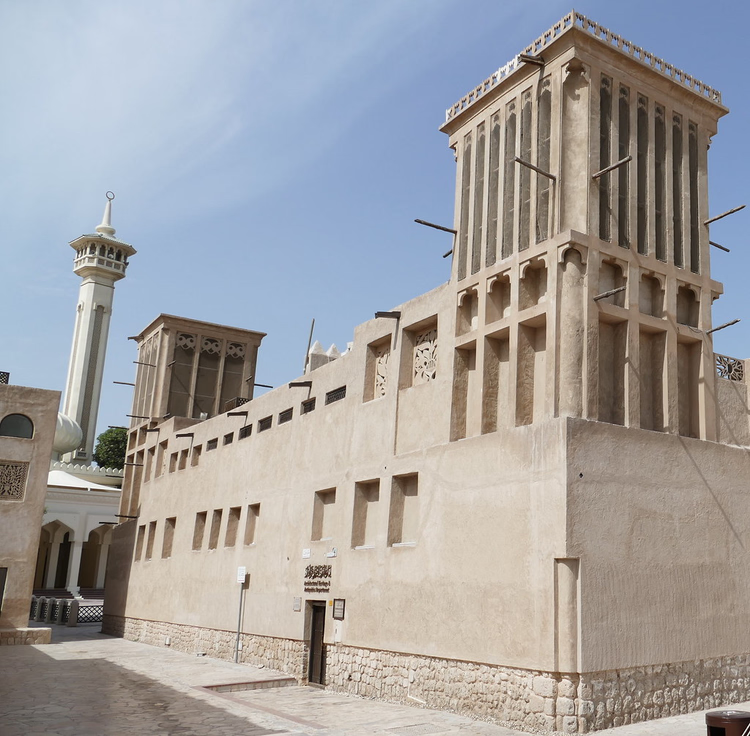
Bastakiya, or Al Fahidi Historical Neighbourhood, is a sharp contrast to the skyscrapers. The district stretches along Dubai Creek, with sand-toned buildings in an authentic Arabic style: low houses, wind towers, and narrow lanes. Most of the quarter was built in the late 19th century, and the barjeel wind towers caught the breeze and cooled the houses without electricity.
In the late 20th century, some buildings were demolished to make way for offices, but the authorities stopped the demolition in time and restored the quarter. Today it is home to galleries, craft workshops, and cultural centers. The easiest way to get there is by metro to Al Fahidi station, then walk along the water.
The catch: in summer the lanes heat up and there is almost no shade. Step into galleries and cafes along the way to take a break from the heat.
Dubai museum in al Fahidi fort
 © Chris Waits · CC BYPhoto: Chris Waits, CC BY (https://creativecommons.org/licenses/by/2.0), Wikimedia Commons
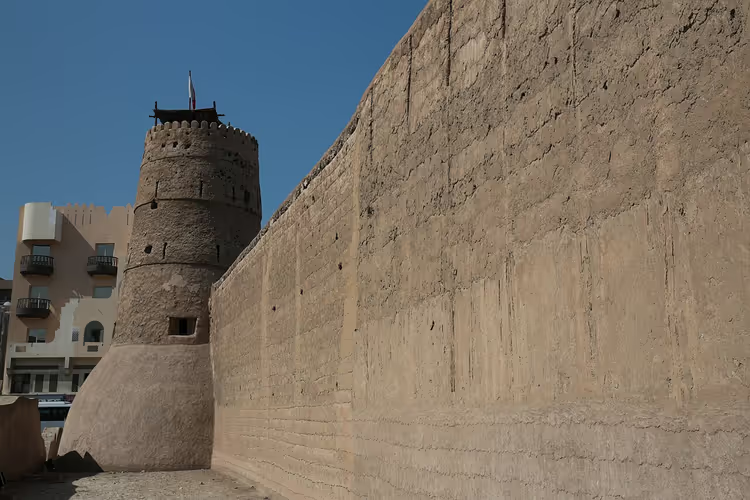
Al Fahidi Fort, where the Dubai Museum used to operate, was built in 1787 and is considered the oldest building in the city. Inside, full-size Arab houses, markets, and even date palm plantations have been recreated, so allow at least two hours for the visit.
The museum closed for a major restoration in 2021. After the renovation, the fort reopens as a museum in 2026, with new galleries and interactive halls. Check opening hours and prices on the official website before visiting.
The catch: it gets crowded on weekends and in the heat. The line at the entrance is shorter in the morning.
Sheikh Saeed house museum
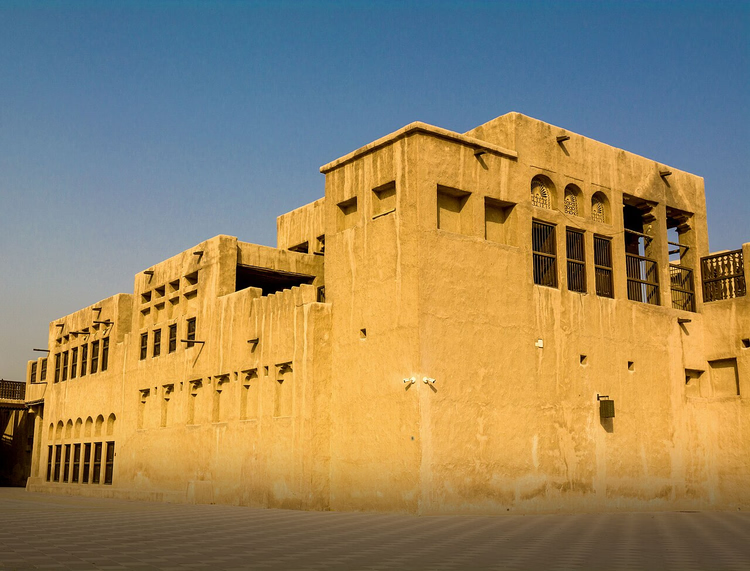
Sheikh Saeed house museum stands on the Shindagha peninsula by Dubai Creek. The house was built by ancestors of the ruling dynasty, and Sheikh Mohammed's grandfather lived here his entire life. For a long time, government meetings were held here.
 © Jasonbalaba · CC BY-SAPhoto: Jasonbalaba, CC BY-SA (https://creativecommons.org/licenses/by-sa/4.0), Wikimedia Commons
The building is almost indistinguishable from hundreds of old residential houses: three dozen rooms, walls made of coral harvested from the Persian Gulf. Inside there are exhibitions of photographs and lithographs about everyday life in the past century.
The catch: the rooms get stuffy without air conditioning, so go in the morning. The ticket is inexpensive, and you pay at the entrance.
Pearl diving village
The pearl diving village is an open-air museum in the Al Shindagha area. It recreates a traditional Bedouin settlement: clay houses, tents, boats. Pottery and weaving artisans work here, and you can watch them.
Visitors see the pearl exhibition, try their hand at pearl diving, and ride camels. If you get hungry, the village has small Arabic restaurants: try dosa, lentil-flour flatbreads. It is usually not crowded, except during the archery festival.
From the village it is easy to walk to the pier: abra boats leave from here to the markets on the other bank. The ticket costs a token amount, and the ride across the Creek is an attraction in itself. In the evening, book Dubai tours on GetYourGuide if you want a guide.
Women's Museum
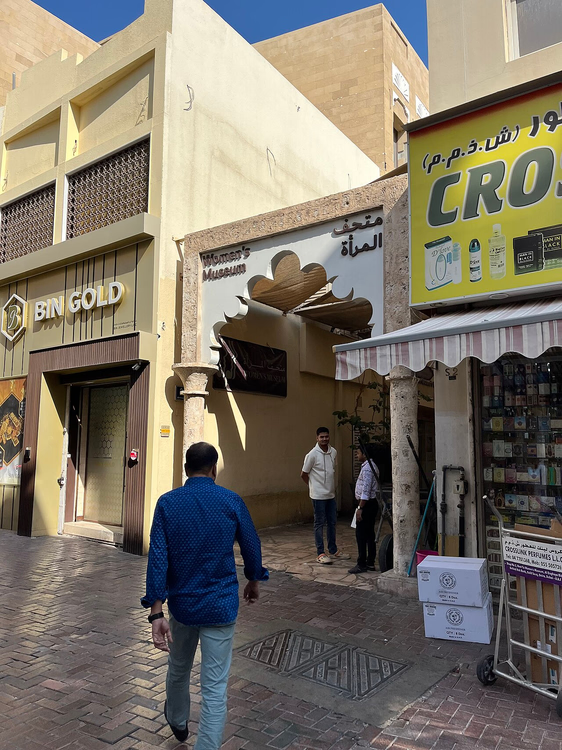
The Women's Museum (Bait Al Banat) is in Deira, with the Gold Souk as a landmark. It was opened on the initiative of Rafia Obaid Ghubash to show the role of women in Emirati society. The collection includes traditional jewelry, costumes, perfumes, and household items.
A separate section presents photographs and documents about women in politics. There is a collection of women's passports that shows how the status of women in the country has changed. An hour is enough for the visit.
The catch: the museum is small and not always open, so check the hours in advance. The spice souk is nearby and easy to combine with the visit.
Moroccan baths at the Palace of Beauty

The Moroccan baths at the Palace of Beauty take about two hours. The treatments begin with cleansing the skin with dry and wet steam, and the products are prepared by hand using old recipes. The rooms are filled with the scent of incense.
After the steam, you relax in the bathhouse, swim in the saltwater pool, or sit in the relaxation room. The therapists offer hair treatments, manicures, and pedicures. Bring a swimsuit and beach gear: the Palace owns a stretch of coastline.
The catch: appointments fill up quickly, so book in advance. Prices here are above the city average.
Night city tour with a boat ride
The night tour lasts about 4 to 5 hours and starts with the Dubai Fountain show. Then you walk with a guide through a night oriental bazaar: Souk Al Bahar stays lively even late in the evening. It is one of the city's most memorable sights.
The highlight of the evening is a boat ride along the most colorful quarter. The night ends on the 44th floor of a skyscraper, with a panorama of the entire city. The format is convenient if you want to see Dubai lit up without long walks.
The catch: the group can have up to several dozen people. Dinner is usually not included in the program.
Day four: day trips from Dubai
Spend day four outside the city. From Dubai it is easy to get out to the desert, to Abu Dhabi, or to travel through all the emirates. Tours are usually group trips, by bus or jeep, and take from five hours to a full day.
Tour of six emirates
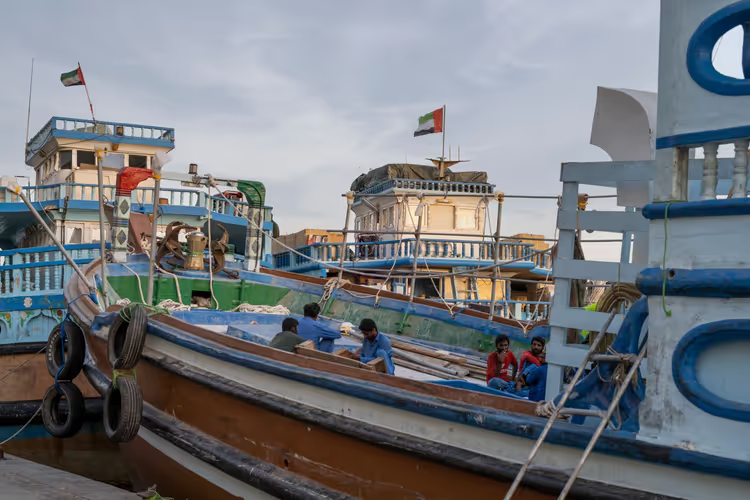
A group bus tour of six emirates lasts about 12 hours. The itinerary covers the whole country, so in one day you will see the contrast between futuristic Dubai and the traditional emirates. First comes dazzling Dubai, followed by Sharjah with the largest mosque in the Middle East and its watchtowers.
Next is Ajman, where traditional dhow sailing boats are still built by hand using techniques that are five centuries old. Fujairah will be remembered for its mountains running all the way to the Indian Ocean and lunch at the hotel of the ruling sheikh. The route ends with Ras Al Khaimah and the ancient town of Julfar, then Umm Al Quwain.
Book in advance: six emirates tour on GetYourGuide. The catch: it is a long day, and you will spend a lot of time on the bus.
Desert safari
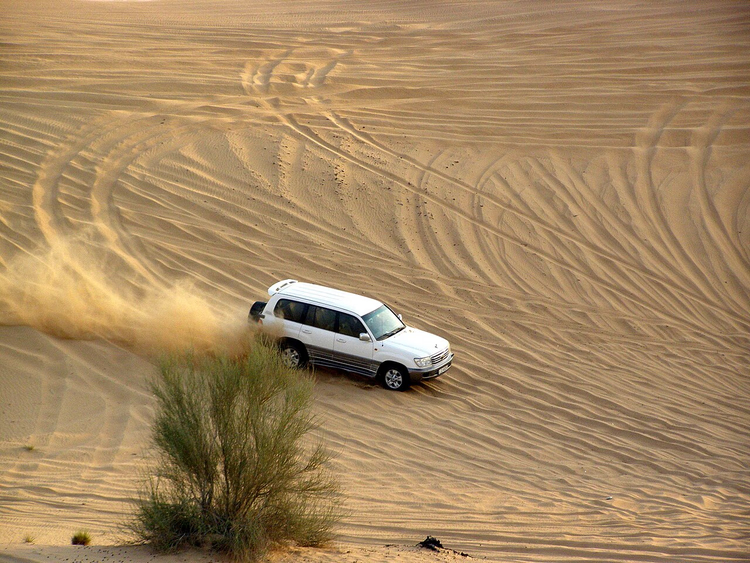 © :en:Siddeshindia ( talk | contribs ) · CC BY-SAPhoto: :en:Siddeshindia ( talk | contribs ), CC BY-SA (https://creativecommons.org/licenses/by-sa/3.0), Wikimedia Commons
A desert safari lasts about five and a half hours. High dunes rush past the windows of the 4x4, and for thrill-seekers there are quad bikes and camel rides. Stops are made along the way to photograph the sunset in the dunes.
The evening is spent in a Bedouin village with a fire show. A barbecue is laid out right under the stars, served with national sweets and shisha. If you like, you can have your photo taken in traditional clothing and get a henna tattoo.
The classic option is a dune safari with dinner. The catch: early in the morning and late in the evening it is cool in the desert, so bring a sweater.
The oasis city of Al Ain
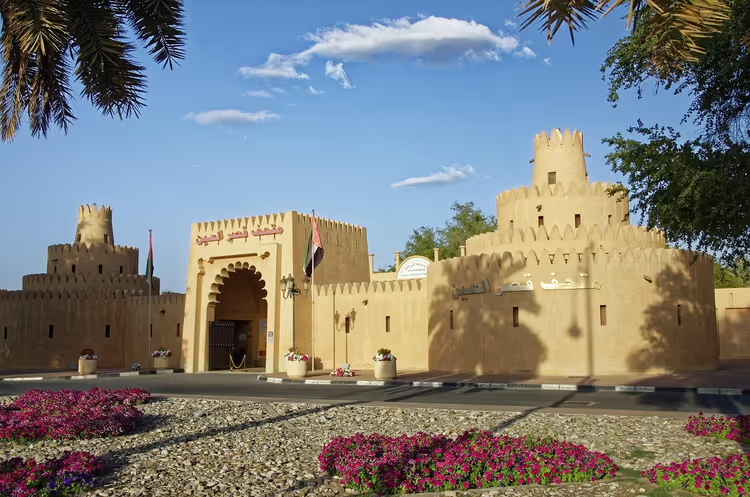
Al Ain is known as a retreat for sheikhs tired of cities made of glass and concrete. Sand-colored buildings and evergreen trees create a concentrated atmosphere of the East. The tour takes about ten hours and is packed with sights.
The main highlight of the itinerary is a palace museum that resembles a fort with battlements and watchtowers. Inside there are collections of weapons and cars, plus a school and a Quran hall. Further along the route are hot springs with sulfur and mineral waters and a traditional Arab bathhouse.
Along the way there is a stop at Jebel Hafeet mountain. It is always cooler at the top, and the view takes in Oman and the Emirates. The trip ends with a visit to a large zoo.
Trip to Abu Dhabi
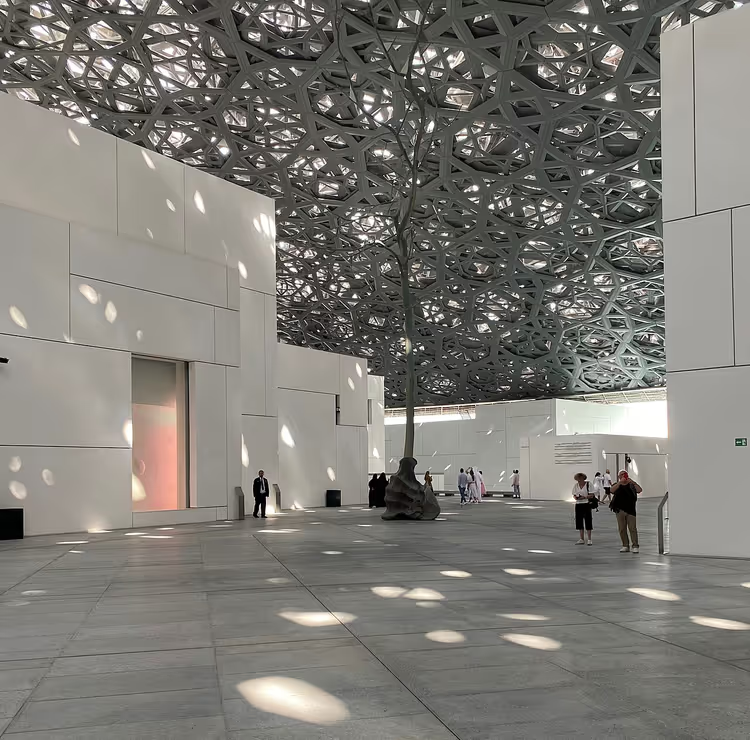 © Boubloub · CC BY-SAPhoto: Boubloub, CC BY-SA (https://creativecommons.org/licenses/by-sa/4.0), Wikimedia Commons
The eight-hour tour of Abu Dhabi brings together the capital's main attractions. Not long ago the site of the metropolis was a fishing village, and today it is a collection of the Emirates' most original architectural designs. The itinerary includes the local Louvre, whose dome seems to float above the water.
Exhibits for the Louvre Abu Dhabi were loaned by museums in France: Versailles, the Louvre itself, and the Centre Georges Pompidou. Next you will see the Sheikh Zayed Mosque with its enormous complex and elements that made it into the Guinness Book of Records. At the end comes the local "Leaning Tower" and a bridge built from designs by Zaha Hadid.
Inside the Louvre it is worth lingering by the network of water channels and under the openwork dome. The mosque has a dress code, so covered clothing is mandatory. Group tours depart from Dubai hotels, and the whole route takes a full day. The catch: the drive one way takes about an hour and a half, and there is not much free time in the city.
Dubai evening lights
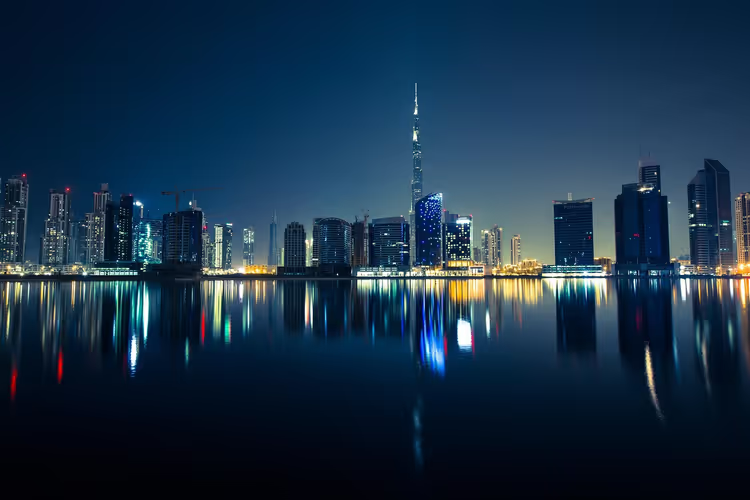
The evening city tour lasts about five hours and shows Dubai all lit up. The focus is on several iconic sites, about which the guide shares more than daytime groups hear. This includes the Dubai Frame, connecting the ancient and the modern, and the upscale Marina.
You will see a district with narrow streets in the atmosphere of old Arabia, where everything is sold from household goods to family coffee recipes. The itinerary also includes Palm Jumeirah and a final visit to the Dubai Fountain. This format is convenient if you want to see as much as possible in lights in a single evening.
The catch: the itinerary is packed, and your feet will get tired. Check in advance whether dinner is included in the price.
How to get from the airport to the center
From Dubai International Airport to the center you can get there by bus, metro, or taxi. Public transport is well developed and convenient if you have little luggage. With large bags it is better to take a taxi or book a transfer.
Bus. Buses run at night too, so this option works for late flights. During the day you do not wait long; at night the interval is longer. The routes are designed to cover the main hotels, so choose the number based on your hotel's area.
Metro. The Dubai Metro is simple: just two lines, red and green. If you need the city center, take the red line; for other areas the green line works. Payment is by Nol card, the fare depends on the number of zones, and a trip to the center usually covers several stations. The metro does not run at night, which matters for late arrivals. Stations have air conditioning and elevators, so getting down with a small suitcase is easy.
Taxi and transfer. Taxi and transfer are a bit more expensive, but more comfortable and reliable, especially at night. You can hit traffic, but you usually get to the center faster than you might expect. If the city is unfamiliar to you, this is the most stress-free option. Drivers accept cards, but keep some small cash on hand just in case.
It is more convenient to arrange a transfer in advance so you do not have to find a car on the street. Below you can compare Kiwitaxi options.
Tours and tickets in Dubai
Guided tours, skip-the-line tickets and activities — most offers can be cancelled free of charge.
See offers on KiwitaxiThe widget loads once you give your consent.
4-Day Dubai route on a map
Below is a map with the route points by day. Save it to your phone so you don't have to build the route from scratch, and mark the places you want to shift in time.
What to see in Dubai in 4 days
Places on the map
- Dubai Marina A skyscraper district around a canal, kilometres of promenade for a walk
- Jumeirah Mosque A white mosque in Fatimid style, non-Muslims admitted with a tour
- Jumeirah Open Beach A free public beach with a view of the Burj Al Arab and the Marina's towers
- Wild Wadi A water park at Jumeirah Beach Hotel with slides and artificial waves
- Palm Jumeirah An artificial palm-shaped island with hotels and beach clubs
- Butterfly Garden Tropical-climate domes where butterflies live year-round
- Dubai Miracle Garden A sculpture garden made of live flowers, open October to May
- IMG Worlds of Adventure The city's largest indoor theme park with Marvel and dinosaur zones
- Ski Dubai A ski resort inside Mall of the Emirates, five indoor runs
- Burj Khalifa The world's tallest building, observation decks on floors 124, 125 and 148
- Dubai Fountain A musical fountain in a lake at the tower's base, shows every half hour
- Dubai Opera A dhow-shaped concert hall for two thousand spectators
- Dolphinarium An indoor dolphin and seal show, there's a mirror maze
- Zabeel Park A large green zone in the centre with barbecue areas and jogging paths
- Dubai Frame A 150-metre frame with a glass bridge and a transparent floor
- Dubai Aquarium A three-storey tank in Dubai Mall with a glass tunnel and rays
- Dubai Zoo A historic zoo in Jumeirah, the animals moved to Dubai Safari Park
- Green Planet An indoor tropical forest under a dome, four levels with sloths and toucans
- Glow Garden An LED-lit park in Zabeel Park, open only after dark
- Bastakiya The old Al Fahidi quarter with clay houses and wind towers
- Al Fahidi Fort The city's oldest building, from 1787, the Dubai Museum reopens after restoration
- Sheikh Saeed's House Museum The ruling family's house in Shindagha, walls of coral and photo exhibits
- Pearl Divers' Village An open-air museum in Al Shindagha with a pearl exhibit and craftsmen
- Women's Museum Bait Al Banat in Deira near the Gold Souk, jewellery, costumes and documents
⁉️🤔 Frequently asked questions
How much does it cost to go up to the Burj Khalifa observation deck?
Prices depend on the floor and time of visit. Tickets for floors 124 and 125 are cheaper, while premium access to floor 148 costs more. Morning slots are usually a better deal than afternoon and evening ones. Check current rates on the official ticket website before buying.
What time of year is best to visit Dubai?
The most comfortable time is from November to March, when the heat eases and you can walk around for a long time. In summer the air heats up above forty degrees, and walking around the city becomes difficult. In September it is still hot, and some parks are closed. Plan visits for the morning and evening, and stick to air-conditioned places during the day.
Is the Dubai Museum in Al Fahidi Fort open?
Al Fahidi Fort was closed for a major restoration in 2021. After the renovation, the museum reopens in 2026 with new galleries and interactive halls. Before visiting, check the opening hours and prices on the official website, because the schedule may change in the first months after opening.
When is the Dubai Flower Park open?
Dubai Miracle Garden operates only during the cool season, roughly from October to May. In summer the park closes due to the heat and the flower beds and sculptures are refreshed. If you are traveling in September, the park is still closed. Check the exact opening date on the official website before your trip.
Is four days enough for Dubai?
Yes, four days is enough for the essentials: the Marina, Downtown, the old town, and one day trip. Beaches and parks break up the itinerary and give you a chance to rest from moving around. If you want to add both Abu Dhabi and a desert safari, plan a fifth day, otherwise the pace will be too intense.
In short: what to book
Four days in Dubai can be comfortably covered with three bookings. Buy observation deck tickets in advance, choose one day trip, and book a hotel near the metro. That way you won't lose time in lines and on the road.
- If it's your first time in the city: get Burj Khalifa tickets for just before sunset.
- If you're traveling with kids: add a water park and a desert safari.
- If you love history: set aside a day for Bastakiya and Dubai Creek.
- If you want to see as much as possible in a day: take a tour of six emirates.
Book Burj Khalifa observation deck tickets, compare Dubai hotels on Trip.com, and find park and museum tickets on Tiqets. That way the city opens up to you without rushing and unnecessary lines.

A small editorial team writing guides for independent travel. We travel ourselves, but we haven’t been everywhere, so we check prices, opening hours and how to get there against official sources.