
















Brazilian cuisine day by day: breakfast, lunch, afternoon snack and dinner
Brazilians eat often and with pleasure. Breakfast, lunch, an afternoon snack, and a late dinner are the four usual stops of the day here, and food has long been part of the local culture. The cuisine varies greatly by region: in the south people love meat and cuca, in the northeast cheese breads and couscous, in the Amazon fish and açaí (according to Visit Brasil, 09/2026). Going hungry in the country of carnival is hard to do.
We have put together what people eat in Brazil throughout the day, what the meals are called in Portuguese, and what to look for on the menu. Below you will find breakfast, lunch, an afternoon snack, and dinner, how restaurants operate, and a list of dishes worth trying. Let's start with the morning.
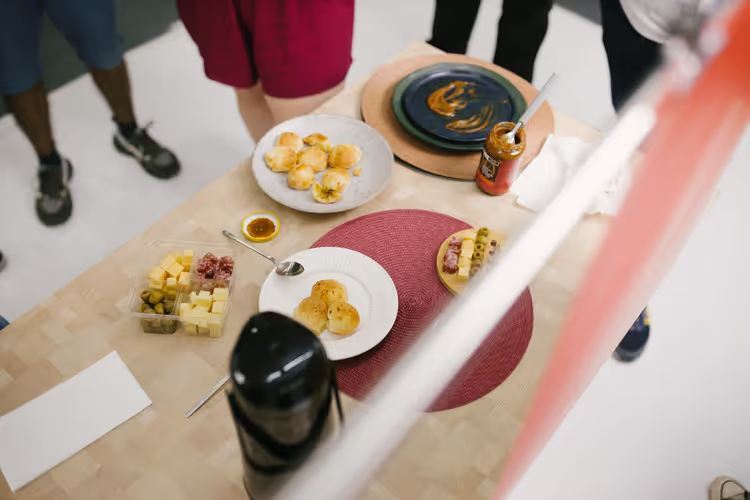
Breakfast: café da manhã and cheese bread
💡 In short:
- Breakfast in Brazilian style is called café da manhã (kah-FEH dah MAHN-yah).
- The morning basics: coffee, bread, cheese, fruit, and freshly squeezed juice.
Despite sharing a language with Portugal, breakfast here is called something different. In Brazil it is called café da manhã, and locals almost never skip the first meal of the day. The menu depends on the region, so on a single trip you can try several different breakfasts.
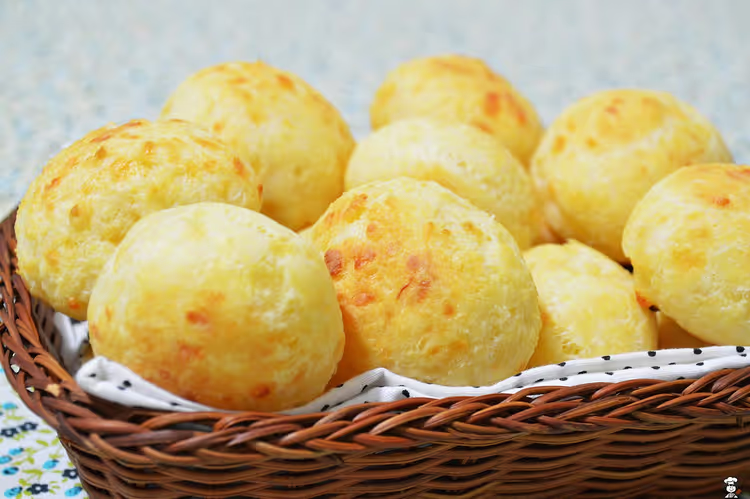
In the southeast, the day starts with salted bread (pão de sal), toasted bread (pão torrado), cheese bread (pão de queijo), or a loaf cake (bolo). In the south of the country, the table includes jam (geleia), cheese (queijo), and cuca, a flat cake made from wheat flour with sugar. In the Amazon, breakfast includes açaí, bananas, and coconuts, as well as flatbreads made from cassava flour.
In the northeast, the morning starts with couscous, with milk, eggs, or butter added to it. Almost everywhere, tapioca made from cassava root is on the table: in many restaurants it is brought out in small cubes as a snack. Brazilians love tapioca and eat it at any time of day, not just in the morning.
Everyone drinks coffee at breakfast. In an ordinary café, people most often order an espresso or an espresso with milk. Lattes and cappuccinos are not available everywhere, especially in small establishments. In the morning, Brazilians also eat papaya and drink freshly squeezed juice, which is genuinely excellent here.
 © Murilo manzini · CC BY-SAPhoto: Murilo manzini, CC BY-SA (https://creativecommons.org/licenses/by-sa/4.0), Wikimedia Commons
Lunch: rice, beans, and meat
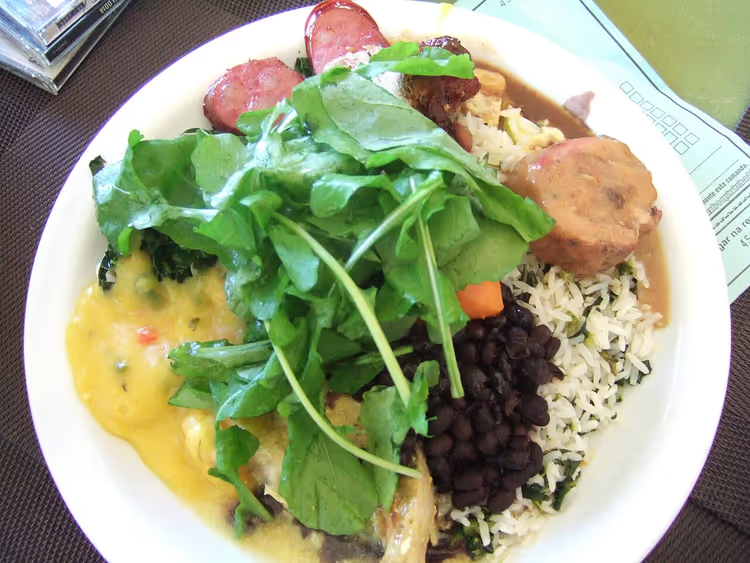
A typical lunch, or almoço (ahl-MOH-soo), consists of rice (arroz), beans (feijão), and meat (carne). Brazilians eat lunch in the middle of the day, so the country has many cafeteria-style places. They are open at lunchtime, and you cannot get in there in the evening.
Such places often charge a fixed price by weight: you pay for however much you put on your plate. This is a convenient way to try several dishes at once without overpaying. Here you choose what to put on your plate yourself, with the side dish and meat arranged next to each other on the same line.
Most often for lunch people order feijoada and consider it a symbol of the national cuisine. It is made from black beans, pork ribs and trotters, and cubes of beef, with rice served separately. The dish is served with farofa made from toasted cassava. The first mention of feijoada comes from Recife, in the state of Pernambuco (according to Wikipedia, 09/2026).
On weekends, lunch often turns into churrasco. A birthday, a win by your favorite club, or a get-together with friends: none of that matters, the main dish will still be meat. Churrasco here is not just a barbecue, but a whole event with no beginning and no end. Chicken, beef, pork, sausages, and chicken hearts go on the grill, with rice, farofa, garlic bread (pão de alho), and vegetables served alongside. All of this is traditionally washed down with a large amount of beer.
 © Lucia H Clark · CC BY-SAPhoto: Lucia H Clark, CC BY-SA (https://creativecommons.org/licenses/by-sa/3.0), Wikimedia Commons
Afternoon snack: coxinha and pastel
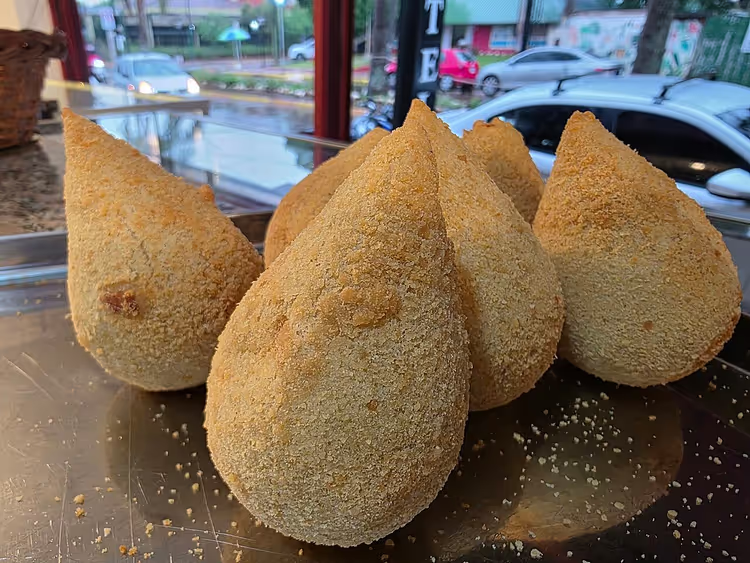
Toward the end of the workday, Brazilians like to have coffee with milk and eat something made from dough. This meal is called lanche (LAHN-sheh). Coxinha goes well with coffee: a small bun made from wheat flour, potato, and chicken. You will find it in almost any small café, and every Brazilian adores it. Although coxinha originated in São Paulo, it is now eaten throughout the country (according to Wikipedia, 09/2026).
Besides coxinha, people have pastel for an afternoon snack, a fried pastry with filling. Inside there is meat, cheese, banana, or cinnamon. Fried pastries exist in many countries, but Brazilians are convinced that pastel was invented right here, and they do not want to share it with anyone.
 © Horacio Cambeiro · CC BY-SAPhoto: Horacio Cambeiro, CC BY-SA (https://creativecommons.org/licenses/by-sa/3.0), Wikimedia Commons
Dinner: meat, fish, and mate
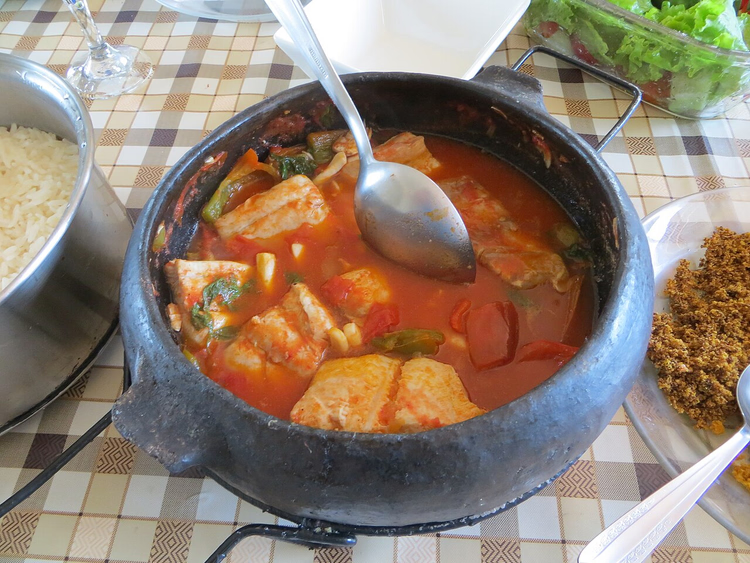
For dinner (jantar), Brazilians more often choose meat or fish (peixe), with rice or vegetables as a side. Brazilians eat dinner late, and restaurants only fill up late in the evening. For locals, dinner is tied to family: you can sit for a long time, talk, and share the day's news.
After the main course, people almost always drink coffee and have dessert. Brazilians also like tea, but it bears little resemblance to what you may be used to. Instead of the usual brewed tea, here people drink mate made from holly leaves, and although it has nothing to do with tea, locals call it exactly that: tea. Mate is drunk throughout the day, often instead of coffee.
 © DAR7 e Eloy Olindo Setti · CC BY-SAPhoto: DAR7 e Eloy Olindo Setti, CC BY-SA (https://creativecommons.org/licenses/by-sa/3.0), Wikimedia Commons
How restaurants operate
Restaurants in Brazil do not have a single schedule, so check opening hours in advance. Otherwise you risk showing up to a closed door, especially in the evening. In the morning, Brazilians go to a padaria, a bakery where you can have fresh coffee and pick up some pastries.
During the day, places serving main dishes open up, and some restaurants only accept guests at lunchtime. Then they close for a few hours and reopen closer to the evening. There are also places that operate exclusively in the evening. You can also find a restaurant open from morning to evening, but there are fewer of those.
Top Brazilian treats worth trying
Brigadeiro: candies made from cocoa, butter, and condensed milk, a favorite Brazilian treat.
Guaraná: a sweet carbonated drink named after a South American vine.
Churros: Spanish churros Brazilian style, a tube with condensed milk.
Guava paste (goiabada): eaten like jam and added to candies, cakes, and pastries.
Sweet rice (arroz doce): served with milk, cinnamon, nuts, and coconut.
⁉️🤔 Frequently asked questions
What time do Brazilians eat lunch and dinner?
Brazilians eat lunch in the middle of the day and dinner late in the evening. Lunch is often the main meal, while breakfast and the afternoon snack happen at home or at a nearby café. Keep this in mind if you want to try local dishes: by evening, many lunch places are already closed.
What is feijoada made from?
The base of feijoada is black beans with pork and beef. The dish is served with rice, oranges, and farofa. A detailed description is in the lunch section.
Is it true that people in Brazil do not order lattes?
Lattes do appear on menus, but locals more often order an espresso with milk. Coffee here is drunk in the morning and after lunch, often in small cups.
What is lanche and how is it different from lunch?
Lanche is the name for a small snack in the second half of the day. With coffee and milk, people have coxinha, pastel, or pastries, and sometimes it replaces a full dinner. Lunch, on the other hand, remains hearty and always includes rice, beans, and meat.
What do Brazilians call tea?
In Brazil, tea often refers to mate, a drink made from holly leaves. More about it is in the dinner section.
In short: what to book
If you are in Brazil for the first time, start with feijoada at lunch and coxinha for an afternoon snack: these two dishes give you a sense of the local cuisine. If you like sweets, go for brigadeiro and guava paste. If you want a hearty evening, head to a churrasco and do not forget about mate instead of regular tea.
Plan lunch in advance: many lunch places are only open during the day. For a full list of regional dishes and their descriptions, see the official tourism website of Brazil.

A small editorial team writing guides for independent travel. We travel ourselves, but we haven’t been everywhere, so we check prices, opening hours and how to get there against official sources.