
















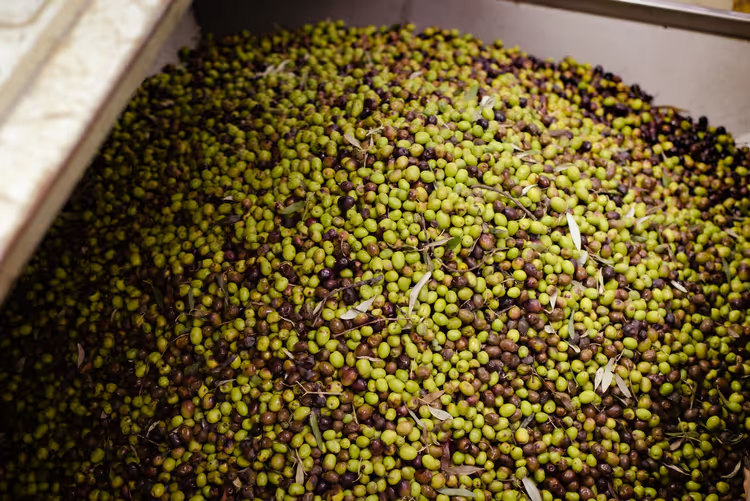
9 Souvenirs from Greece that will make it home
Almost every tourist brings food home from Greece in their suitcase. Olive oil, feta, and honey top the list of gifts. The only problem: some purchases won't survive the flight and the heat.
We've put together souvenirs that are easy to find in almost any city in the country. For each one, we've noted where to buy it, how to transport it, and what to look for when choosing.
The main guideline is simple. Feta (European Commission registry) and Kozani saffron (Kozani producers' website) are protected by PDO status. The PDO or PGI mark on the packaging confirms the origin, but not all Greek products have it.
Ad: this article contains affiliate links, we earn a commission if you book through them, at no extra cost to you.
Our picks: 9 souvenirs from Greece
💡 In short:
- Choose food in glass or vacuum packaging: that way your purchase will survive the trip.
- Look for cheese and oil at the supermarket, and honey at the market, but not at the airport.
- Check for PDO and PGI labeling: it distinguishes an authentic Greek product.
- EU protected product status: 09/2026, verified in the geographical indications registry.
The table shows what works best for you.
Souvenir | Who to bring it for | How to transport it |
|---|---|---|
Olive oil | people who cook | checked luggage, wrap the bottle in clothes |
Feta | Greek salad lovers | cooler bag, short shelf life |
Honey | family and colleagues | checked luggage, pack glass separately |
Saffron | people who cook | carry-on, light and expensive |
Sweets | those with a sweet tooth | carry-on, melt quickly in summer |
1. Olive oil
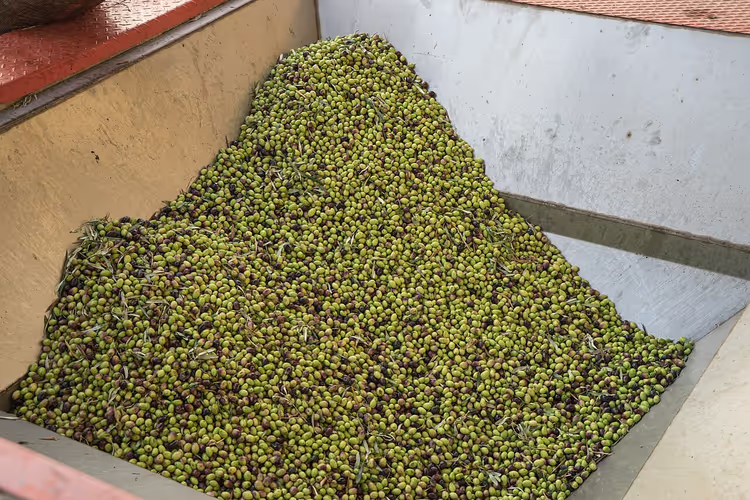
Greece is among the world's top three olive oil producers (according to Olive Oil Times, 09/2026). It's sold both in souvenir shops and regular supermarkets.
At the supermarket, the price is lower and the selection is wider. Look for Extra Virgin on the label: the term means the highest category of oil with a strong aroma.
Get a medium-sized bottle. You'll wrap it in clothes and check it in your luggage.
- The catch: a bottle won't be allowed in carry-on, only in checked luggage.
2. Olives
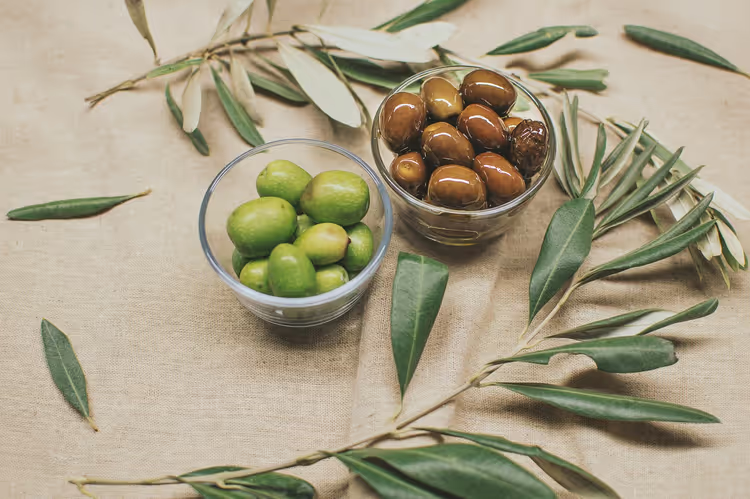
Greeks don't marinate olives; they brine or stuff them. The color depends on ripeness: green ones are picked earlier, black ones later.
Buy olives at the market or supermarket. A glass jar makes a better gift than plastic: those olives are usually pasteurized.
Quality olives are shiny with thin skin. Overly dark olives have undergone chemical treatment, so choose them only as a last resort.
- The catch: a glass jar is heavy and breaks easily in your suitcase.
3. Cheese
 © Silar · CC BY-SAPhoto: Silar, CC BY-SA (https://creativecommons.org/licenses/by-sa/3.0), Wikimedia Commons
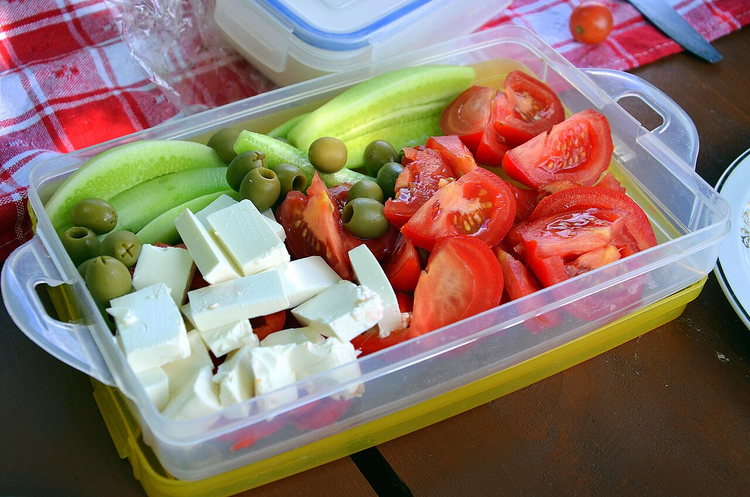
The most famous Greek cheese is called feta. It is made from sheep's or goat's milk, and no Greek salad is complete without it. Feta received PDO status in 2002 (according to the official feta page).
The second popular cheese is called graviera. It is produced on Crete, Lesbos, and Naxos, and each version has its own flavor: the Cretan one is made from sheep's milk, the Naxos one from cow's milk. Graviera is also protected by PDO status (according to the EU registry).
You can easily tell this cheese apart by its labeling. Buy feta at the supermarket: it needs special storage conditions. Graviera keeps longer and will survive the trip in your luggage just fine.
- The catch: without refrigeration, feta spoils quickly, so carry it in a cooler bag.
4. Greek wine and spirits
 © Ioannis Protonotarios · CC BY-SAPhoto: Ioannis Protonotarios, CC BY-SA (https://creativecommons.org/licenses/by-sa/4.0), Wikimedia Commons
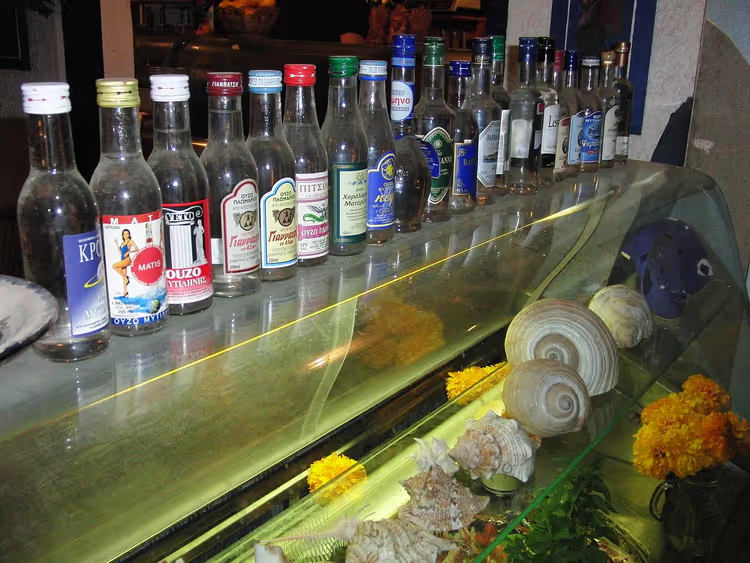
In Greece, you should try ouzo and tsipouro. Ouzo is infused with anise, cloves, and almonds, and is drunk as an aperitif. Tsipouro is made from grape pomace, and anise is added too.
Not everyone buys a bottle of raki: it has a sharp, acquired taste. Metaxa, on the other hand, appeals to almost everyone; it is made from wine and grape brandy. There are cheap options and premium ones.
The most famous local wine is called retsina. It is produced only in Greece, and only certain regions have the right to the protected PGI designation (according to Wines of Greece, 09/2026). Resin is added to the wine on purpose, which gives it its distinctive aftertaste.
Greece is called the birthplace of winemaking. Dionysus, the god of wine, was worshipped here, and wine was made long before many neighboring cultures. The selection is wide, so ask the seller, and they will pick an option to match your taste.
If you are bringing a gift for a group, get a full-size bottle: it is a better value.
- The catch: raki is not for everyone, and not everyone likes retsina because of the resin aftertaste.
5. Local sweets
 © Nicole Bratt from Seattle, WA, USA · CC BY-SAPhoto: Nicole Bratt from Seattle, WA, USA, CC BY-SA (https://creativecommons.org/licenses/by-sa/2.0), Wikimedia Commons
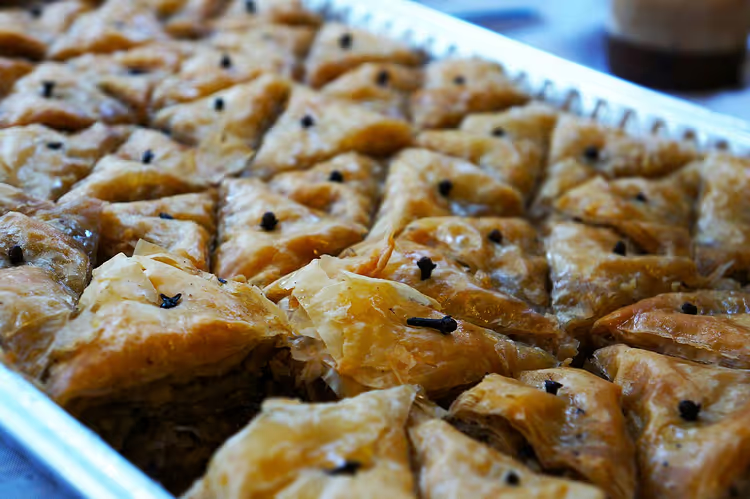
Baklava is familiar to many, but in Greece it is like a layered pie drenched in natural syrup. Dough, nuts, and honey, nothing extra.
Kozinaki is made from pistachios, almonds, or peanuts with sesame and honey syrup. This sweet also works as a healthy snack on the road.
You will find sweets sold by weight or in nice boxes. A box is more convenient for a gift, buying by weight is a better value.
- The catch: in summer, baklava and kozinaki melt from the heat, so carry them in your hand luggage.
6. Honey
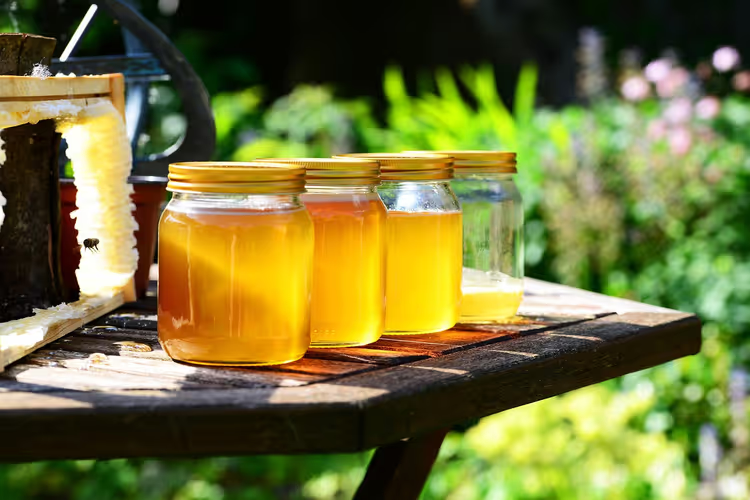
The most aromatic honey comes from apiaries on Crete, Rhodes, and Thasos. Thyme honey is considered the country's best variety (according to Enterprise Greece, 09/2026).
Buy honey at the market. There you can see the jar and ask the seller where the batch came from.
Mountain honey from high-altitude apiaries has a particularly rich flavor. This gift is appropriate in almost any company.
- The catch: a glass jar is heavy, and at security screening honey counts as a liquid.
7. Spices
 © PersianDutchNetwork · CC BY-SAPhoto: PersianDutchNetwork, CC BY-SA (https://creativecommons.org/licenses/by-sa/4.0), Wikimedia Commons
Spices are sold in souvenir shops. Buy them in individual packets or as ready-made blends: for gyros, Greek salad, moussaka.
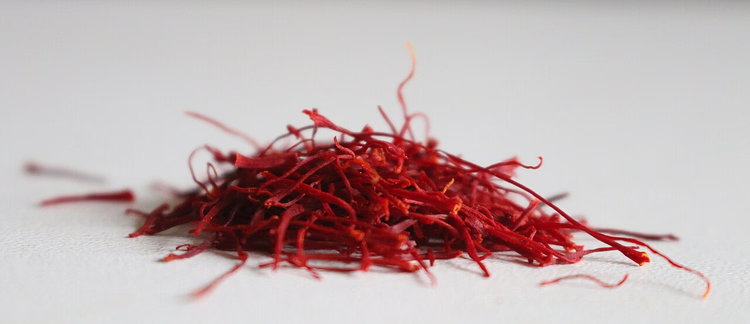
Look specifically for Krokos Kozanis saffron. It is harvested in the Kozani region and received PDO status in 1999 (according to Krokos Kozanis). A myth is tied to this flower: Hermes turned his dead friend Crocus into a purple flower with three stamens.
Saffron is added to dishes and tea. If you are traveling light, take it in your carry-on.
- The catch: ground spices lose their aroma after just a couple of months.
8. Natural cosmetics
Greek cosmetics are based on olive oil, so the skin takes to them well.
Choose soap with honey or jasmine, shampoo, conditioner, cream, shower gel, or scrub. You will find this kind of selection in perfume shops and pharmacies.
A set of soap and cream works well as a budget gift.
- The catch: liquid products can go in your carry-on only within the liquids limit.
9. Souvenirs to remember the trip
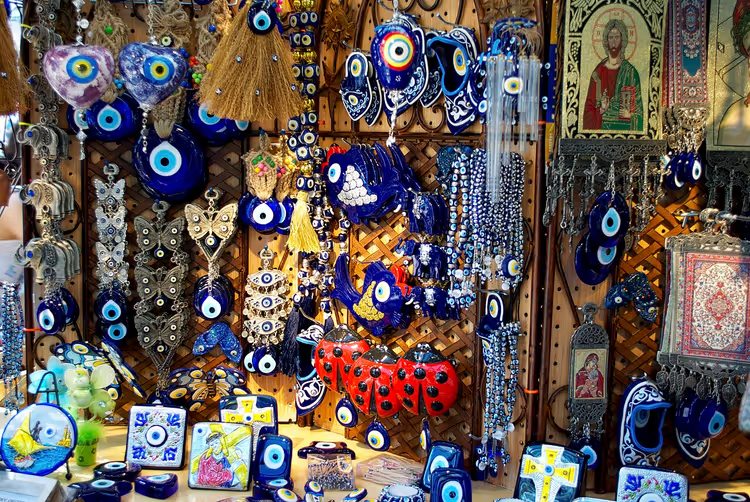 © Guruharsha · CC BY-SAPhoto: Guruharsha, CC BY-SA (https://creativecommons.org/licenses/by-sa/3.0), Wikimedia Commons
Any souvenir shop is full of trinkets. Besides ceramics and magnets, they sell canvases with landscapes and pens featuring views of landmarks.
Pilgrims bring home icons. Icons are a separate gift category, and it is better to choose them in a specialized shop.
Buy ceramics in sturdy packaging. Magnets are light, so you can take them in your carry-on. Whatever you choose, the gift will remain a warm reminder of the trip.
- The catch: ceramics and canvases do not handle rough baggage handling well.
⁉️🤔 Frequently asked questions
Can you bring olive oil in your carry-on?
No. Any liquid over the standard limit will have to be checked in. Wrap the bottle in clothes and place it in the middle of your suitcase. At security, honey also counts as a liquid, so put the jar in checked baggage too. Saffron and spices can go with you.
How do you tell real feta apart?
Look for the PDO label on the packaging. Real feta carries this status under EU rules and is made from sheep's or goat's milk. A similar cheese made from cow's milk costs less, but it does not qualify for PDO. Check the country of production and the product name.
What should you bring if you are flying with only a carry-on?
Take saffron, dry spices, cosmetics in small containers, and light souvenirs. Krokos Kozanis saffron weighs little and costs a lot, so it makes a convenient gift. Liquids and honey will not pass in your carry-on. Magnets and pens will also fit.
Where is it cheaper to buy souvenirs?
Food is a better deal at the supermarket: olive oil, feta, and olives cost less there than in a souvenir shop. Honey and spices are best bought at the market. Magnets and ceramics cost about the same almost everywhere, so choose based on quality.
In short: what to book
Souvenirs are easier to buy on site. In the supermarket, feta and olive oil are cheaper; at the market, honey is fresher. If you are short on time, go for things that do not spoil: oil, saffron, and cosmetics.
The selection matrix is simple. If you are bringing gifts for the whole family, plan on oil and honey. If you are traveling light, bet on saffron and spices. For cooking enthusiasts, feta, olives, and retsina will be enough.
And when you are ready for your next trip, check out hotels on Trip.com.

A small editorial team writing guides for independent travel. We travel ourselves, but we haven’t been everywhere, so we check prices, opening hours and how to get there against official sources.