
















 AIIllustrative image: AI-generated
What to bring from Thailand: 20 souvenirs that will make it home
Souvenirs from Thailand are harder to bring home than they seem. Fresh durian is not allowed in the aircraft cabin. Customs only lets rare animal skins through with documentation. Even fragrant soap melts in a hot suitcase and stains your clothes.
We picked 20 purchases that will arrive intact and won't cause problems at the border. On purchases from 2,000 baht in one store, tourists get a 7% VAT refund (as of 09/2026, Thailand's revenue department). All that's left is to decide what exactly goes in the suitcase.
How to choose souvenirs in Thailand
💡 In short:
- Buy food, cosmetics, and fabrics in supermarkets and markets, not at the airport.
- Keep your receipts: without them you can't get a VAT refund or prove product quality.
- Rules for exporting and importing souvenirs: 09/2026, verified on the website of the German Embassy in Bangkok.
Our picks: who to bring what for
Who | What to get | Why |
|---|---|---|
Family with kids | Fruit, nuts, milk oolong | Familiar taste and light weight |
For cosmetics | Coconut oil, aloe, herbal shampoos | Cheap in supermarkets |
For coworker gifts | Soap, spices, mini inhalers | Inexpensive and easy to split up |
For clothing and textiles | Silk, cotton, latex | Natural materials |
For electronics | Cameras, tablets, components | Wide selection and VAT refund |
The Thai market works simply: the closer to the airport, the higher the markup. In the city center you'll find the same products cheaper and without the rush. Bargain calmly, sellers almost always come down.
Export rules and VAT refund
Before your flight, check two things. First: import limits for souvenirs into Germany and the EU. Customs publishes these, and they change periodically. The alcohol limit and the duty-free threshold of €430 on purchases are listed there too. Second: the VAT refund. The threshold, export deadline, and the P.P.10 form are described on the website of Thailand's revenue department (as of 09/2026).
Cash also has to be declared. Amounts from €10,000 per person must be declared in writing (as of 09/2026, Auswärtiges Amt).
A separate topic is the CITES convention. It regulates products made from rare animal and plant species. According to the German Embassy in Bangkok, exporting and importing such items requires a permit (as of 09/2026). So ask the seller on the spot for a certificate for leather and pearls.
1. Fruit: mangoes, pineapples, and mini bananas
 © PattayaPatrol · CC BY-SAPhoto: PattayaPatrol, CC BY-SA (https://creativecommons.org/licenses/by-sa/4.0), Wikimedia Commons
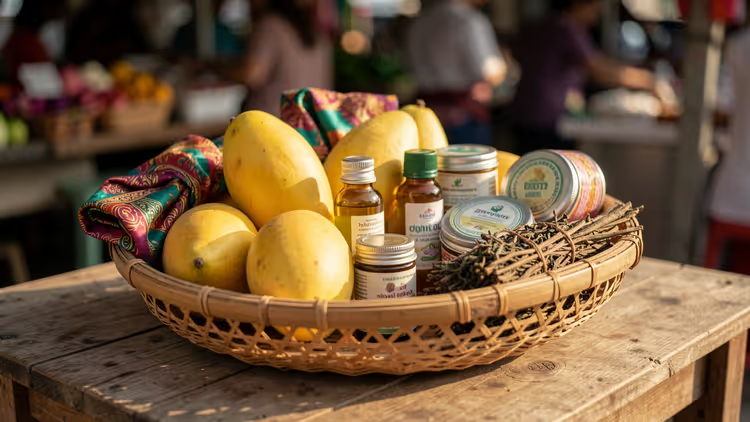
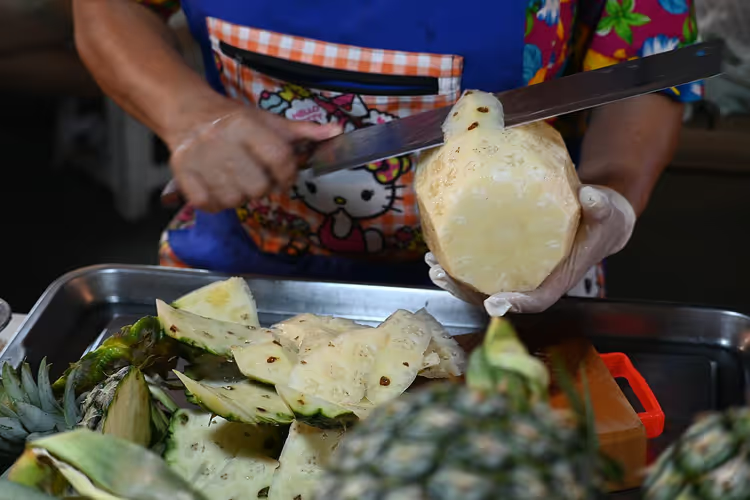
Fruit remains the most obvious gift, but there are restrictions on bringing it into the EU. Fresh mango requires a phytosanitary certificate. Another exception concerns fresh durian. Because of its pungent smell, it's not allowed in the aircraft cabin. People bring it home dried, as chips or candy.
For your suitcase, go with yellow mangoes, pineapples, and tiny bananas: they have a familiar taste and shape. Rambutan, longan, and dragon fruit will surprise your friends, but not everyone likes them. At the market, tell the seller the fruit is for travel, and they'll pick firm fruit and wrap it in paper.
- Where to buy: markets and supermarkets; the same fruit costs more at the airport.
- How to get it home: wrap the fruit in paper so it doesn't get bruised in transit.
- The catch: out of season, the selection is smaller and prices are higher.
2. Nuts: cashews and macadamia
 © PattayaPatrol · CC BY-SAPhoto: PattayaPatrol, CC BY-SA (https://creativecommons.org/licenses/by-sa/4.0), Wikimedia Commons
Thai nuts are different from the ones on European shelves. They're roasted in palm oil, so they're crunchy and not bitter. Even plain peanuts taste better here.
Local nuts are coated with pepper, coffee, coconut, honey, and even wasabi. The colorful nuts are packed in clear bags and sold in any store, including at the airport. The most expensive item on the list is macadamia: it has a hard shell and large kernels.
Macadamia is grown in the north of the country, as part of a royal project on mountain slopes. It has more monounsaturated fats than good olive oil, so people often buy it as a gift.
- Who it's for: anyone looking for an affordable, straightforward gift.
- How to check: look at the packing date; loose nuts go stale quickly.
- The catch: wasabi-glazed nuts aren't for everyone, the flavor is sharp.
3. Spices and sauces for tom yum
 © Preecha.MJ · CC BY-SAPhoto: Preecha.MJ, CC BY-SA (https://creativecommons.org/licenses/by-sa/4.0), Wikimedia Commons
Seasonings survive the trip best of all: they don't spoil and a year later still remind you of Thai cuisine. Ginger, tamarind, and kaffir lime leaves form the backbone of local dishes. They go into soups, curries, and salads.
Spices are sold loose at markets, in packets, and in supermarkets. Tom yum and pad thai kits are inexpensive and take up almost no space. A pinch of these blends also works well in everyday homemade soups.
- Where to buy: markets, spice gardens, and large supermarkets.
- How to check: read the ingredient list on the package, not the word "natural" on the front.
- The catch: almost every blend contains MSG; buy single-ingredient spices if you want to avoid it.
4. Tea: blue, pu-erh, and milk oolong
 © PonlawatThai · CC BY-SAPhoto: PonlawatThai, CC BY-SA (https://creativecommons.org/licenses/by-sa/4.0), Wikimedia Commons
The most original souvenir is blue tea made from dried butterfly pea flowers. Brew it with lime or lemon, and the drink turns cornflower blue instead of the usual green.
Alongside it, people buy Rose Buddha tea made from pink buds, tea from the fruit of the bael tree, and milk oolong with a creamy aroma. The packaging is bright, with Thai lettering, and makes a nice gift paired with a card. Not everyone likes the energizing pu-erh: it has an earthy aftertaste.
- Where to buy: markets, large supermarkets, and pharmacies.
- How to brew: one teaspoon per cup, water just below boiling.
- The catch: Thais consider milk oolong a flavored drink for tourists and hardly drink it themselves.
5. Cold-pressed coconut oil
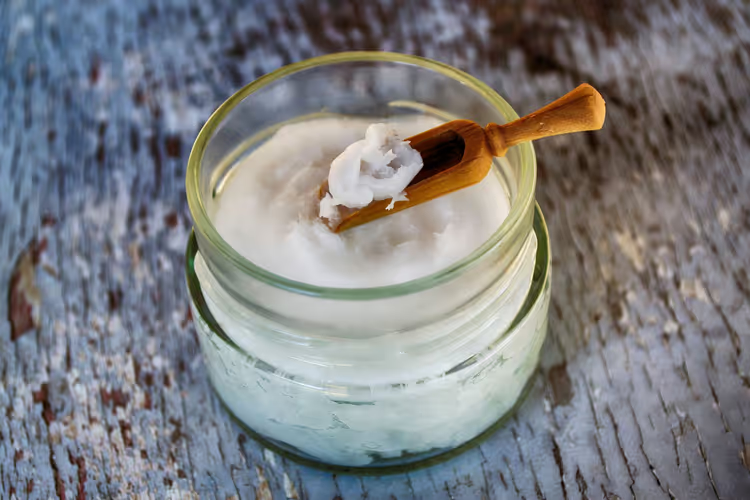
Coconut oil comes in two grades. For cooking, choose "Extra Virgin"; for skin and hair, "Virgin Coconut Oil" cold-pressed. This oil is clear in hot weather, but turns white and thickens when cool.
Cooking oil from the grocery section costs several times less than cosmetic oil and comes in small bottles. For cosmetic use, buy from cosmetics departments rather than market vendors who press it in front of you. Factory-made product is cleaner and free of debris.
- What it's for: hair masks, face and body care, an even tan.
- How to check: good oil smells like coconut and isn't bitter.
- The catch: a small bottle of cosmetic oil costs noticeably more than the cooking kind.
6. Thai herbal tinctures
 © PonlawatThai · CC BY-SAPhoto: PonlawatThai, CC BY-SA (https://creativecommons.org/licenses/by-sa/4.0), Wikimedia Commons
Herbal tinctures are the most controversial item on the list. At markets, vendors recommend Bang Rung Rang Khai, made from dozens of herbs, and the Tau Chu Chang tincture, translated as "the old man who can lift an elephant." Both are sold as remedies for many ailments.
These tinctures are based on vodka or whiskey infused with herbs and bark. Manufacturers recommend taking them with honey and list the dosage on the label.
- Who it's for: those who enjoy strong herbal drinks.
- How to check: read the ingredients and dosage on the label, not the seller's claims.
- The catch: both tinctures are sold as a cure-all, with no medical evidence from the manufacturer.
7. Natural toothpaste
 © PonlawatThai · CC BY-SAPhoto: PonlawatThai, CC BY-SA (https://creativecommons.org/licenses/by-sa/4.0), Wikimedia Commons
Round tins of brown toothpaste are familiar to many tourists. These pastes are made with herbs, and come in whitening, children's, and regular versions. The product foams heavily, so only a drop is needed per brushing.
A tin lasts a long time, making it one of the most economical souvenirs. In regular tubes, people buy the Darlie brand: inexpensive and familiar to locals. The brown paste in tins is sold right on city streets.
- Where to buy: any retail chain; markets and airports are more expensive.
- How to check: look at the ingredients and volume; some tins are sold only in sets.
- The catch: the brown paste foams so much that some buyers find it inconvenient.
8. Vitamins and dietary supplements
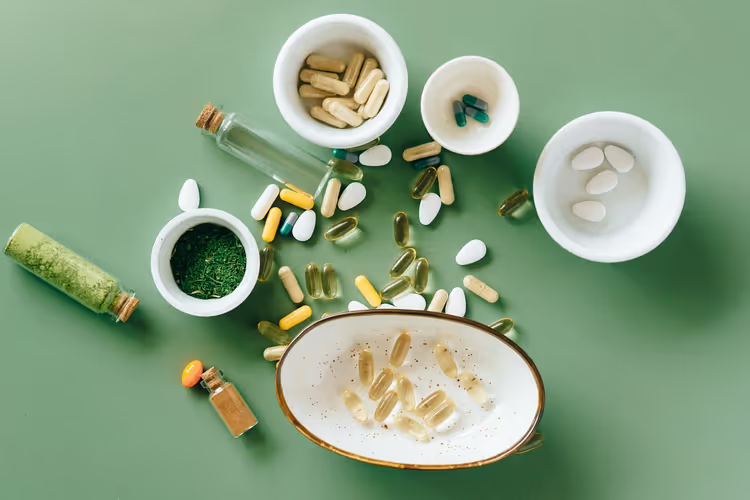
Asian supplements are marketed as completely natural: made from fruits, plants, and minerals. You won't get two suitcases of these products through customs, but you can bring a few packs for yourself.
When choosing, read the ingredients: that's what determines whether a supplement will work for you and your family. Some lines are made for women, others for men, and you'll find capsules, juices, and dried goji berries. Some products are sold in pharmacies rather than souvenir shops.
- Who it's for: people who already take supplements at home.
- How to check: compare the ingredients and expiration date; labels are also printed in English.
- The catch: a "natural ingredients" claim on the box proves nothing; the effect depends on the dose of the active substance.
9. Bottled noni juice
 © ImagePerson · CC BY-SAPhoto: ImagePerson, CC BY-SA (https://creativecommons.org/licenses/by-sa/4.0), Wikimedia Commons
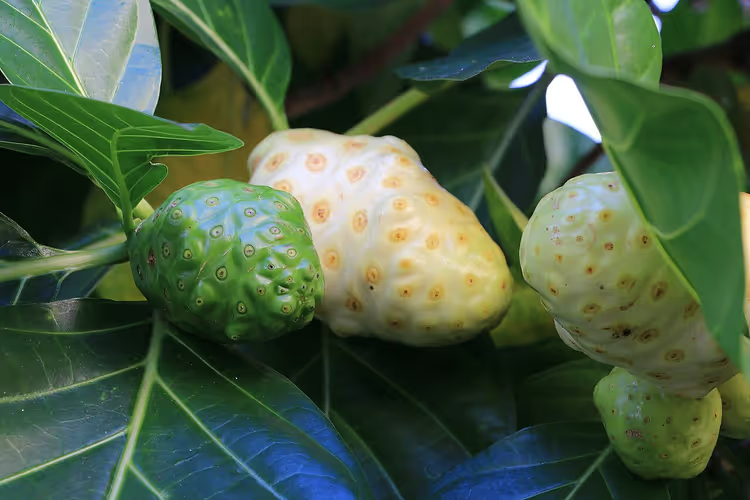
Noni juice is made from the fruit of the morinda citrifolia tree, which bears fruit year-round. The fruit looks like a cactus. Raw noni smells like moldy cheese, so it's almost never sold fresh.
Stores sell processed "noni juice" or "nam luk yo": the taste is milder, the smell is weaker, and the ingredients remain natural. It's sold in small pharmacies and private cosmetics shops, mostly on the islands. The fruit itself is not sold.
Thais present this juice as a remedy for most ailments. On some Pacific islands, noni fruit is a staple of the local diet. The juice is rich in vitamins, enzymes, and antioxidants, so it's recommended for prevention. It's not considered a medicine, though, so take promises of curing everything at once with a grain of salt.
- Who it's for: people looking for a drink you can't find in Europe.
- How to check: look at the bottling date and the juice percentage on the label.
- How to store: after opening, keep the bottle in the fridge and finish it within a couple of weeks.
- The catch: even the processed juice has an unusual taste and smell; start with a small bottle.
10. Natural handmade soap
 AIIllustrative image: AI-generated
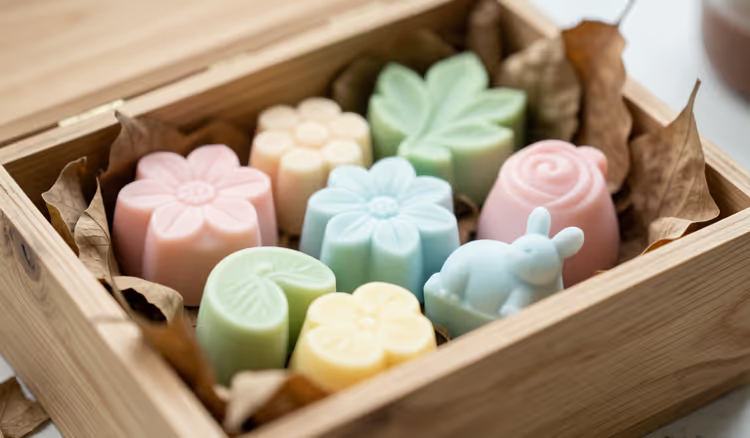
Fruit-shaped soap solves the gift question for several people at once. It's cheap, won't break in your suitcase, and will definitely get used. Soap is made in the shape of miniature flowers, fruits, and animal figurines.
Artisans sell carved sets in wooden cases that look more expensive than regular packaging. The base is olive, coconut, and palm oils, with honey, silk, apricot kernels, plant extracts, and powdered milk added. This product is genuinely natural, not rebatched from industrial soap base.
- Who it's for: people bringing lots of small gifts for colleagues.
- Where to buy: markets and souvenir shops; the selection is wider there than in supermarkets.
- The catch: sets in wooden cases cost noticeably more than regular bars of soap.
11. Cosmetics from natural ingredients
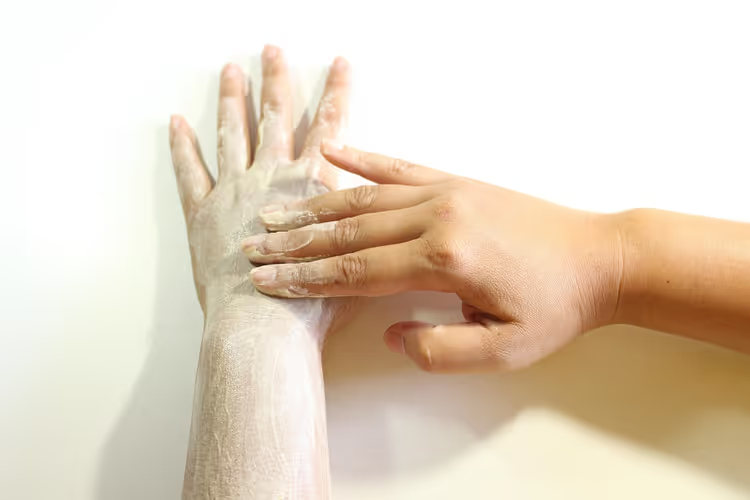
In Thailand people buy body care products: salt scrubs, shower gels, lip balms. The "Crystal" deodorant gets good reviews. It doesn't clog pores or leave marks on clothes, and you wet it with water before use.
Snail cosmetics are a whole separate story. Thai lines are just as good as Korean ones, and you'll find the widest selection in Phuket, Pattaya, and Bangkok. Natural shampoos with herbal extracts are sold in full lines along with hair masks.
- Who it's for: people who understand ingredients and are willing to read labels.
- How to check: look for the ingredients in English and the manufacturing date.
- The catch: ordinary industrial cosmetics are also sold here under the "natural" label; the ingredients matter more than the name.
12. Aloe vera gel for after sun
No sunburn remedy you bring from home works as well as local aloe gel. The clear gel is sold in bright green tubes in pharmacies and regular stores. It moisturizes the skin and soothes irritation.
The gel heals minor cuts and scratches, and it's used for massage and body wraps. Before buying, do a patch test: apply a drop to the inside of your arm. If there's no redness after ten minutes, the product works for you. Don't use it if you have rosacea.
- Who it's for: people who spend a lot of time at the beach.
- Where to buy: pharmacies and supermarkets; beach vendors charge more.
- The catch: cheap tubes have a watery formula with little useful content besides aloe.
13. Medicines: balms and inhalers
The most popular pharmacy souvenirs are Thai balms. They're similar to familiar warming balms, but the lid opens more easily. Packaging colors indicate the effect: some warm and reduce inflammation, others help with sprains, bites, and muscle spasms.
The balms are made from natural oils, herbal extracts, and snake venom. Along with them, people bring mini inhalers: the colorful "sniffers" look like lip balm and cost very little. Essential oils are also popular here, but many are sold heavily diluted.
- Who it's for: people who already use warming ointments.
- How to check: read the ingredients and expiration date; balms usually have a short shelf life.
- The catch: diluted essential oils from shops are almost no different from the ones sold back home.
14. Paintings by Thai artists
Thai artists paint seascapes and city views in oil with a bright, saturated style. The palette knife creates a thick layer of paint, so the canvas looks alive and doesn't copy the European palette.
The word "Thai" itself means "freedom" in the local language. That lightness comes through in the subjects: artists paint sea breeze, sandy beaches, and evening cities without academic strictness. The color scheme is built on saturated tones, a palette you almost never see from European masters.
Most canvases depict beaches, blue water, boats, and Phuket's city quarters. A purchased painting needs to be packed properly. Roll the canvas separately and carry it in a rigid tube, otherwise it will crease in your suitcase. Small works are sometimes sold already stretched on a frame; in that case, pack them in luggage between layers of cardboard.
- Who it's for: people who want to bring back a real piece, not a fridge magnet.
- Where to buy: galleries and markets; haggle confidently with street vendors.
- The catch: framing it at home will cost more than the painting itself.
15. Clothing and shoes from natural fabrics
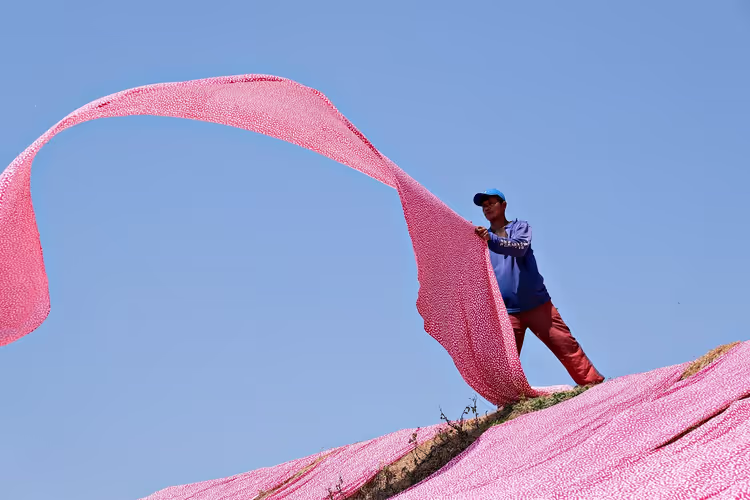
Locally made cotton clothing is the most affordable way to fill your suitcase. Simple street and beach wear is made from natural materials and dyed in bright colors. Kids' sizes won't be a problem: locals sew for people of shorter stature.
Leather shoes are also cheaper here than from European manufacturers. There's no point bringing branded clothing from here; prices match European ones.
For yourself, pick up colorful cotton shirts and natural silk items: scarves, shawls, or just fabric by the meter. The best deals are in shopping malls, not island markets.
- Who it's for: people who like light fabrics and aren't looking for brands.
- How to check: look at the seams and the fabric content label; cheap polyester exists here too.
- The catch: on the islands, the same cotton shirt costs more than on the mainland.
16. Latex sleep products
 AIIllustrative image: AI-generated
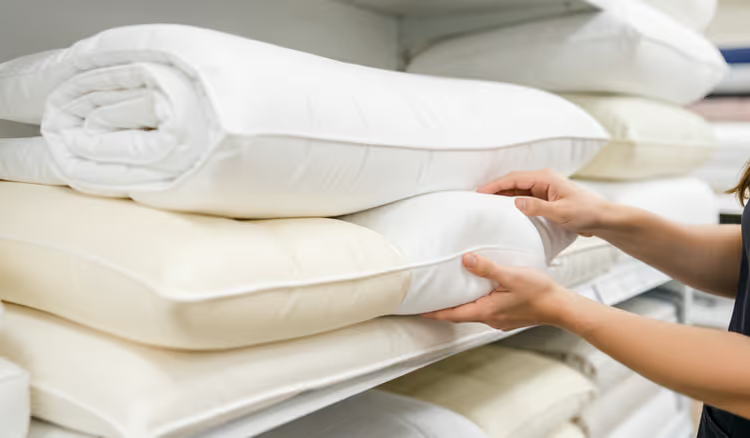
Latex pillows, blankets, and mattresses are sold in many cities. Their properties are on par with orthopedic products, but you'll need to account for the size: large purchases go in checked baggage.
Markets are full of fakes, so it's important to know the differences. Natural latex is matte, usually cream or yellowish in tone, and repels water. Fakes tend to be white, absorb moisture, and start crumbling over time. Genuine products are sold at rubber factories and specialized stores, where they also provide a quality certificate.
- Who it's for: people who've already slept on a latex pillow and want a second one.
- Where to buy: rubber factories and large shopping malls.
- The catch: markets are full of fakes; certified natural latex isn't sold everywhere.
17. Pearls from Phuket farms
 AIIllustrative image: AI-generated
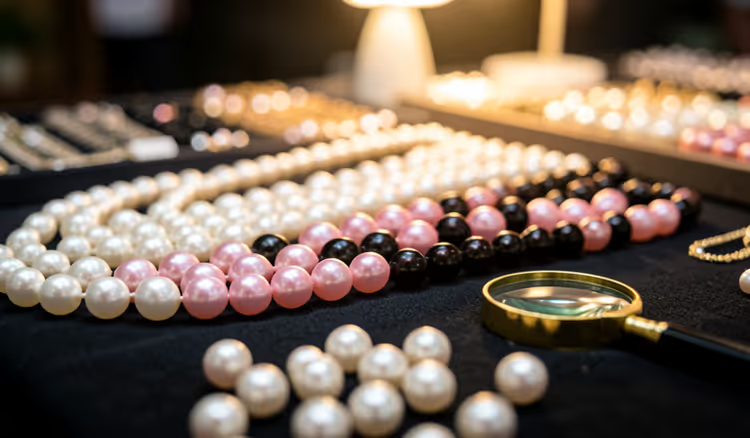
Pearls are sold everywhere: in jewelry salons, stores, and market stalls. White, pink, and black beads differ in shape and luster, so the price depends on the appearance of each one. The country's largest farms are located in Phuket, and certified salons operate there as well.
You can spot a fake right in the store. When drilled, real pearls do not chip, and the nacre glows from within.
- Who it's for: those looking for jewelry, not costume jewelry.
- Where to buy: salons and farms; there is a lot of defective stock on the beach and at the market.
- The catch: defective beads from the market are almost always costume jewelry, not fine jewelry.
18. Leather goods

Wallets, belts, bags, and cases for electronics are made from exotic leather, and such items last for years. Crocodile products remain the most expensive: the pattern on each hide is unique, and processing requires manual labor.
To avoid bringing home a counterfeit, ask for a quality certificate. Genuine leather is never smooth: it feels warm to the touch and is covered with wrinkles and scales. Documents for products made from rare species are issued at the same place where they are sold.
- Who it's for: those willing to pay for a durable item.
- How to check: warm the material with your palm and look at the cut edge; faux leather has an even, uniform edge.
- The catch: exporting rare-species leather is regulated by CITES; without documents, your purchase may be confiscated at the border.
19. Electronics and photo equipment
Photo equipment and electronics cost noticeably less here than in Europe. In large stores with a VAT Refund for Tourists sign, you can get part of the tax back. When bringing goods into the EU, purchases up to €430 pass duty-free; expensive equipment must be declared. The best selection is in Bangkok; on the islands, the range is noticeably narrower.
Originals from global brands are sold here alongside copies. Laptops, cameras, tablets, and computer components offer the best value. Check items for defects right at the checkout: proving anything once you are home will be difficult.
- Who it's for: those who know the exact model and price back home.
- How to check: verify the model, storage capacity, and package contents with the seller and on the receipt.
- The catch: the warranty often applies only in the country of purchase.
20. Natural silk
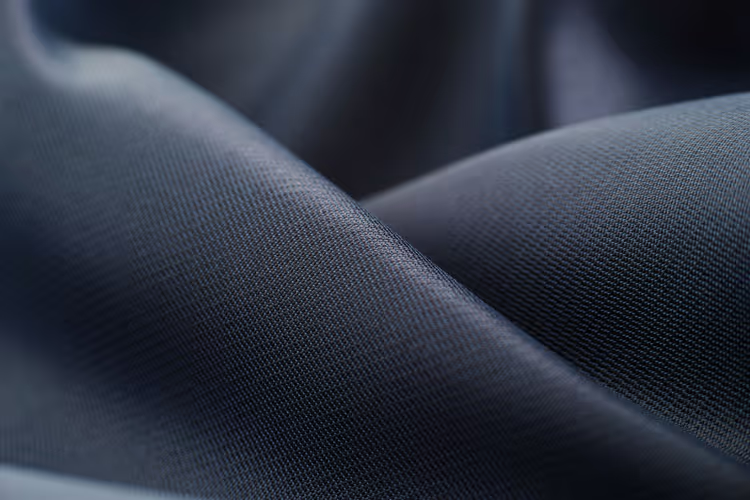
Natural silk is valued abroad, so many factories blend it with synthetics. This makes the item cheaper, but it still looks decent if you know exactly what you are buying.
Spotting a fake is easy. Real silk shimmers with several shades, burns, and smells like burnt hair. Synthetics have only a white sheen and remain too smooth, with no knots or pills.
Thai silk is used not only for clothing but also for bedding. Unusual souvenirs include silk paintings, which artisans make by hand.
- Who it's for: those who appreciate fabrics and are willing to care for them.
- How to check: ask about the density and composition; an honest seller has samples.
- The catch: real silk is expensive, and a cheap cut of fabric in a shop is almost certainly blended with synthetics.
⁉️🤔 Frequently asked questions
Will I get VAT back on purchases in Thailand?
Yes, if you shopped at a store with a VAT Refund for Tourists sign. The minimum is 2,000 baht in one store per day and 5,000 baht across all receipts, and the goods must be exported within 60 days (as of 09/2026, Revenue Department). Keep your receipts and the P.P.10 form; without them, the refund will not be processed.
What will customs not allow in luggage?
Fresh durian in the cabin, products made from rare animal and plant species without a CITES permit, and items made from coral. Buy exotic animal leather only where they provide export documents (as of 09/2026, German Embassy in Bangkok). Other souvenirs usually pass inspection without any issues.
Where can I buy souvenirs cheaper?
At city markets and large supermarkets, not at the airport or in hotel shops. The closer to the terminal, the higher the markup on the same goods. In shopping malls in major cities, prices are lower than on the islands, and you always get a receipt there.
Which fruits travel best?
Yellow mango, pineapples, and small bananas. Sellers pick them slightly unripe and wrap them in paper so the fruit survives several days of travel. Importing fresh mango into the EU requires a phytosanitary certificate.
What should I bring if my suitcase is already full?
Spices, tea, soap, and mini inhalers. They are light, unbreakable, and take up no space. Add some tea blends and a box of toothpaste. These purchases cover gifts for colleagues and cause no trouble at security.
In short: what to bring home from Thailand
Twenty items on the list cover almost any need. If you are flying with family, bring fruit, nuts, and milk oolong: even kids will appreciate them. If you need gifts for colleagues, bring soap, spices, or mini inhalers. For yourself, bring coconut oil, aloe gel, and herbal cosmetics.
If you have little space, choose tea, spices, and soap. If your suitcase has room, add a latex pillow or silk. Before departure, check import limits and collect your receipts for the VAT refund: that way gifts will not turn into problems at the border.

A small editorial team writing guides for independent travel. We travel ourselves, but we haven’t been everywhere, so we check prices, opening hours and how to get there against official sources.