

















When to go to Vietnam: weather by region and rainy seasons
One country packs in three different climates. While the north is chilly and damp, the south has steady heat, and the center is waiting for typhoons. A mistake with dates can cost you your whole vacation: instead of the beach, you get downpours, canceled boats, and scrapped excursions.
We broke down the weather across Vietnam's three regions and outlined who should go where and when. The main rule is simple: don't pick the country as a whole, pick a specific region.
According to Auswärtiges Amt (14.09.2026, agency website), strong typhoons hit the central provinces and the Mekong Delta from June through November. So plan the center as a separate step and don't tie flights to it.
Ad: this article contains affiliate links. We earn a commission if you book through them, at no extra cost to you.
Vietnam is so different
Vietnam's climate changes with latitude. The country is conventionally divided into three zones: northern, central, and southern. The distance between them is significant, so one trip can easily combine cool mountains and hot beaches.
💡 In short:
- North: comfortable weather comes in mid-spring and the second half of autumn.
- Center: dry from February through August, but typhoons are already possible from June.
- South: warm all year round, the best window runs from December through April.
- Seasons and risks: 09/2026, checked on the Auswärtiges Amt website.
Region | Best months | What to expect | Risks |
|---|---|---|---|
North | April-May, October-November | four seasons, cool winters | rain from mid-May |
Center | February-August | dry season, warm sea | typhoons from June through November, more frequent in the rainy season |
South | December-April | steady heat all year | downpours from April-May |
Match your plans to the region. Want a beach with no surprises? Look south. Need mountains and green slopes? Plan for the north. And choose the center when you're ready to keep an eye on the weather forecast.
Northern Vietnam
The north lives by four seasons. Winter here is cool and damp, summer is hot and rainy, and mid-spring and the second half of autumn are considered the best times to visit. During these months, rainfall is minimal and the water warms to a comfortable temperature. If your dates fall in April-May or October-November, book accommodation in Hanoi or near Ha Long Bay in advance.
 © Thomas Hirsch / User:Ravn · CC BY-SAPhoto: Thomas Hirsch / User:Ravn, CC BY-SA (http://creativecommons.org/licenses/by-sa/3.0/), Wikimedia Commons
On the northern coast, Ha Long Bay is the most popular choice. It's cool there in winter, and January is the coldest month. In the mountains it's noticeably colder: temperatures can drop low at night, and snow sometimes falls. Bring warm clothes even for a couple of days.
Mid-May marks the start of the rainy season. It lasts until early October, and most of the annual rainfall comes during these months. The air stays warm throughout. If you're traveling during this period, leave buffer days: the downpours can last a long time.
The north also has a practical side. The area is considered developed, and it's home to the capital, Hanoi, with its museums, markets, and excursions. In spring, Sapa deserves special attention: the mountain slopes turn green and the views are stunning. It's convenient to arrange accommodation in advance: hotels in Hanoi on Trip.com.
Central Vietnam
The center works differently. The rainy season starts in late August, with its peak in late October and early November. At the same time, the south is still getting rain while the north is entering its dry season. The best months for a vacation here are spring and summer. The most popular choices are Da Nang, Hoi An, and Nha Trang.
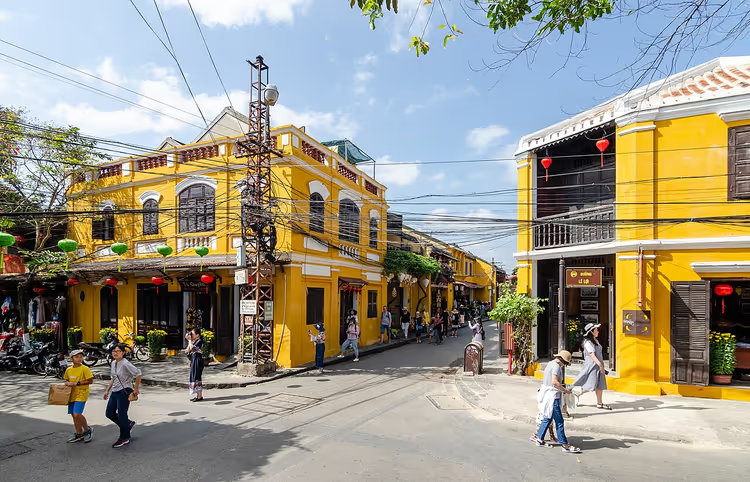 © Steffen Schmitz ( more photos ) · CC BY-SAPhoto: Steffen Schmitz ( more photos ), CC BY-SA (https://creativecommons.org/licenses/by-sa/4.0), Wikimedia Commons
It's convenient to compare accommodation in advance: hotels in Da Nang on Trip.com.
This is also where most of the destructive typhoons make landfall. The central provinces are hit most often, and the strikes come during the rainy season. According to Auswärtiges Amt (14.09.2026, agency), typhoons in these provinces are possible from June through November and bring flooding, landslides, and infrastructure disruptions. During those dates, you should monitor the forecast and keep a time buffer.
Dry weather is a pleasure from February through August. There's almost no rain, the air gets very warm, and the sea stays warm. These months are best for a beach vacation, but typhoons are already possible from June. Bring light clothing and sun protection.
Weather in southern Vietnam
The south stands out for its steady pattern all year round. The difference between winter and summer temperatures here is small, which is why this region has the most resorts. You can vacation almost year-round, which is convenient for trips that aren't tied to a season.
 © Vivu Vietnam · CC BY-SAPhoto: Vivu Vietnam, CC BY-SA (https://creativecommons.org/licenses/by-sa/4.0), Wikimedia Commons
But there's a wet season here too. The first rains arrive in April or May and last until late autumn. Most of the annual rainfall comes during this period. In July and August, downpours are especially frequent, and the sun hides behind clouds for long stretches. The tropical climate has one upside: rain mostly falls at night.
It's convenient to arrange accommodation in the south in advance: hotels in Ho Chi Minh City on Trip.com.
Typhoons are rarer in the south than in the center, but they do reach the Mekong Delta as well. Keep the forecast and your hotel's phone number handy. Southern resorts are best visited from early winter through April.
During these months, the weather is reliably warm and the water is good for swimming. January and February bring milder weather. The most exhausting heat comes in April, when the sun is especially intense. Plan excursions for the morning and bring water with you.
With these pointers, you can easily pick dates for your vacation. Then choose a region based on your interests: sea, mountains, or old towns.
⁉️🤔 Frequently asked questions
When is the best time to go to Vietnam?
There's no single date for the whole country. The best months by region are in the table above. First choose a region, then a month.
Which region should I choose for a beach vacation?
For steady heat, go south: it has the most resorts, and you can swim almost all year. The center works if you want to combine the sea with excursions, but check typhoon risks in summer. The north is chosen for the mountains, Ha Long Bay, and mild autumn.
Is typhoon season dangerous for tourists?
The strongest typhoons hit the central provinces from June through November. They bring flooding and transport disruptions, so boats and excursions may be canceled. The south has fewer storms, but they can't be ruled out entirely.
When is the rainy season in Vietnam?
In the north, rain falls from mid-May to early October; in the south, from April or May to late autumn. In the center, the wet season starts in late August.
Can you swim in Vietnam in winter?
Yes, especially in the south. The water stays warm there all year round, and January and February bring mild weather without exhausting heat. In the north, swimming in winter is uncomfortable: the air is cool, and snow sometimes falls in the mountains. For a winter beach trip, choose southern resorts.
In short: what to book
For sea and steady heat, go south from December through April. For mountains, choose the north in spring or autumn. For a beach plus excursions, the center works, but typhoons are already possible there from June.
You've picked your dates, so now is the time to book accommodation: find a hotel for your chosen dates.

A small editorial team writing guides for independent travel. We travel ourselves, but we haven’t been everywhere, so we check prices, opening hours and how to get there against official sources.