
















Seven new wonders of the world: where they are and how to plan a trip
The first list of the wonders of the world was compiled back in antiquity. The modern list was determined by open voting. The results were announced on July 7, 2007 in Lisbon (verified 09.2026 on the official project page). More than 100 million people took part in the vote.
The new list includes only man-made structures that still stand today. Each monument is open to tourists, and the most popular ones require tickets with fixed entry times.
How the new wonders of the world differ from the ancient ones
💡 In short:
- The list was compiled by voting, not by a decision of scholars.
- The list includes seven man-made monuments from seven countries on four continents.
- The Pyramids of Giza were on the ancient list, but were not included in the new one.
The ancient list of seven wonders was compiled more than two thousand years ago (according to New7Wonders). The organizers of the new project repeated the format itself, but selected monuments that still exist.
Below you will find each monument in order: where it stands, when it was built, and what to consider before your trip.
1. The great wall of China
 © CEphoto, Uwe Aranas · CC BY-SAPhoto: CEphoto, Uwe Aranas, CC BY-SA (https://creativecommons.org/licenses/by-sa/3.0), Wikimedia Commons
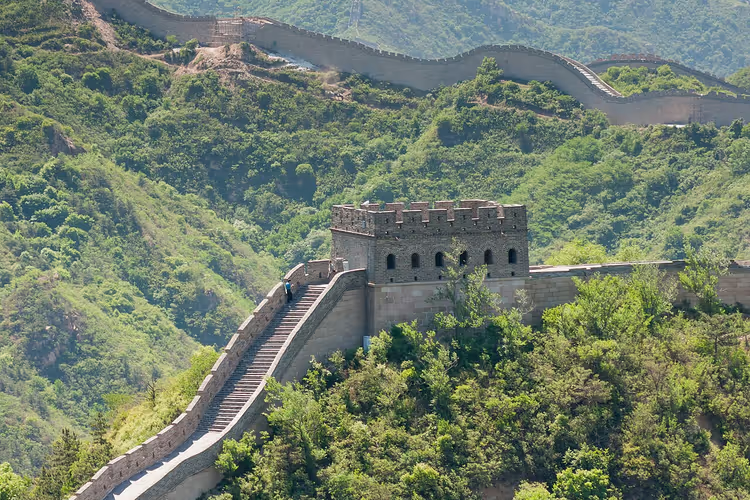
The modern wall consists of many sections and stretches across the northern regions of China. The first defensive lines appeared as early as the 7th century BC, and the most recognizable segments were built during the Ming Dynasty in 1368-1644 (according to Wikipedia). The total length of all branches, according to a 2012 survey, reaches 21,196 km, and along the ridge there are sections with a road 5-8 meters wide.
- Where: northern China, the sections closest to Beijing are called Badaling and Mutianyu.
- How to get there: buses and commuter trains run from Beijing, the trip takes about an hour and a half.
- Who it's for / Not for: for those ready to climb stairs; Mutianyu has noticeably fewer people than Badaling.
- Good to know: Badaling is crowded in any season, so allow extra time and bring water.
2. The Colosseum
 © FeaturedPics · CC BY-SAPhoto: FeaturedPics, CC BY-SA (https://creativecommons.org/licenses/by-sa/4.0), Wikimedia Commons
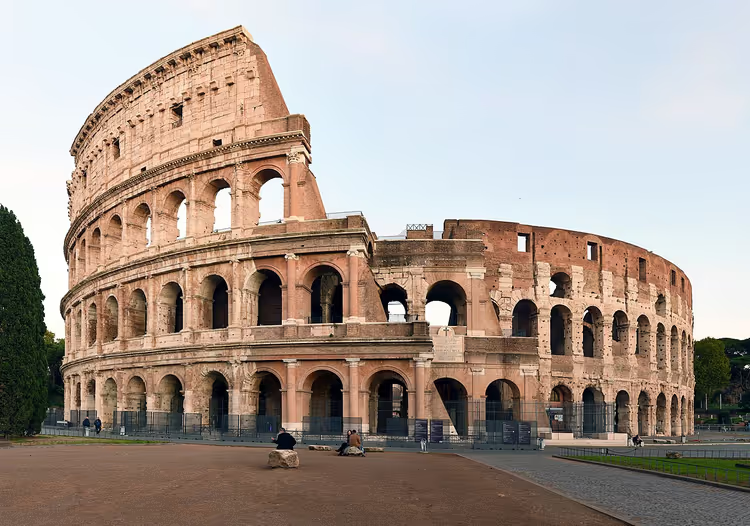
The amphitheater was built in Rome in the 1st century AD under the Flavian dynasty. It held tens of thousands of spectators and was used for gladiator fights and public spectacles (according to Wikipedia). Today it is one of the most visited monuments in Italy, and entry is timed.
- Where: central Rome, next to the Roman Forum and the Arch of Constantine.
- Tickets: one ticket covers the Colosseum, the Forum, and the Palatine Hill, so book your time slot in advance.
- Good to know: there are often long lines at the ticket office, and there is almost no shade inside the amphitheater.
3. Machu Picchu
 © Christoph Strässler · CC BY-SAPhoto: Christoph Strässler, CC BY-SA (https://creativecommons.org/licenses/by-sa/2.0), Wikimedia Commons
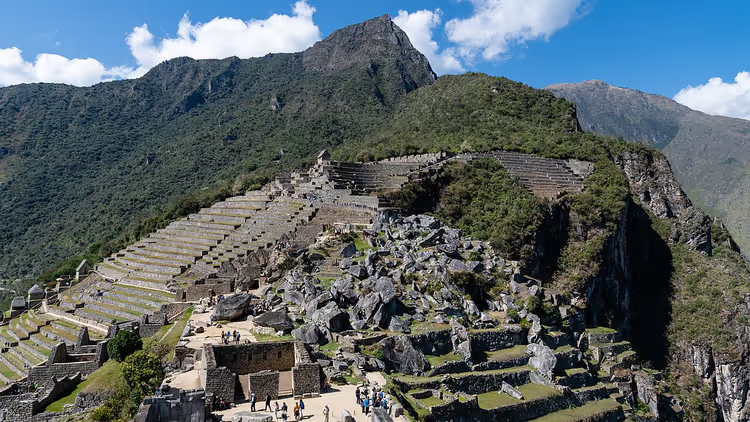
Machu Picchu was built by the Incas in the 15th century on a mountain ridge in the Andes. The city sits at an altitude of 2,430 meters above sea level and consists of stone terraces, temples, and residential quarters (according to Wikipedia). The Spanish never found it, so the structures have survived well to this day.
- Where: Peru, on a ridge above the Urubamba River valley.
- How to get there: by train to Aguas Calientes, then by bus or on foot uphill.
- Good to know: entry is by timed slots, and the number of visitors per day is limited, so buy tickets in advance.
4. Petra
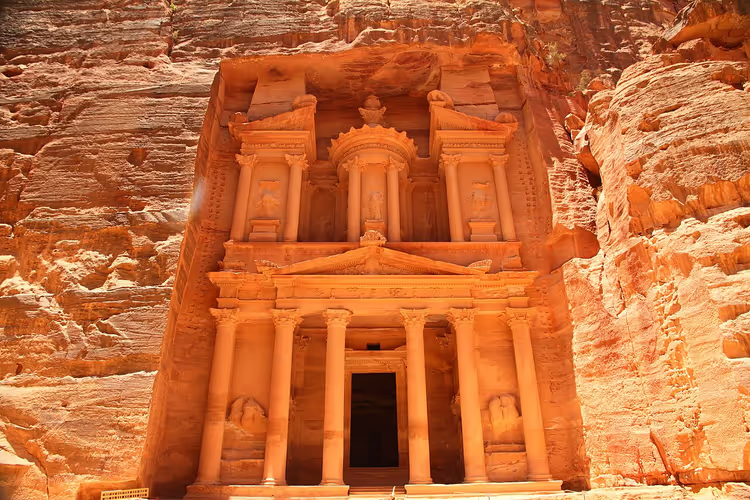 © Davidchocron · CC BY-SAPhoto: Davidchocron, CC BY-SA (https://creativecommons.org/licenses/by-sa/4.0), Wikimedia Commons
Petra is carved into pink cliffs in southern Jordan. A narrow gorge called the Siq, about 1.2 km long, leads to the city, and the first thing a traveler sees is the facade of Al-Khazneh, or the Treasury (according to Wikipedia). Petra was the capital of the Nabataean Kingdom and stood on trade routes between the East and the Mediterranean.
- Where: southern Jordan, nearest town Wadi Musa.
- What to see: the Treasury, the facades of the royal tombs, the amphitheater, and the Ad Deir monastery.
- Good to know: you will do a lot of walking, so bring water, a hat, and comfortable shoes.
5. Taj Mahal
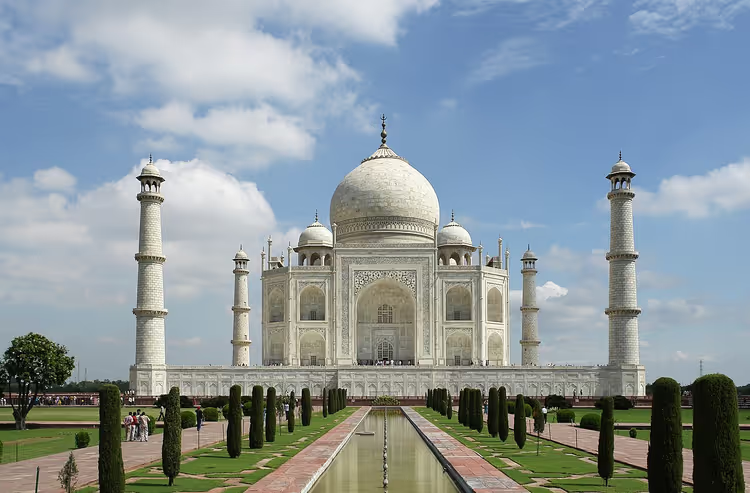 © Yann ; edited by Jim Carter · CC BY-SAPhoto: Yann ; edited by Jim Carter, CC BY-SA (https://creativecommons.org/licenses/by-sa/4.0), Wikimedia Commons
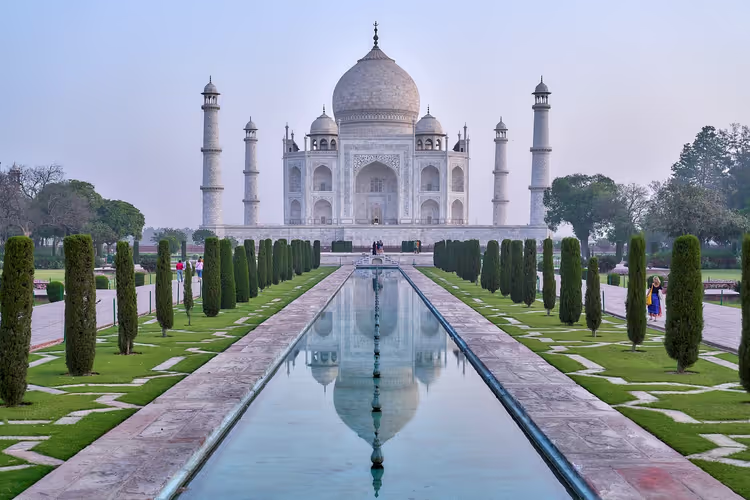
The Taj Mahal was built by Emperor Shah Jahan in memory of his wife Mumtaz Mahal. The white marble mausoleum was constructed in Agra roughly from 1632 to 1653, with thousands of craftsmen working on it (according to Wikipedia). The complex includes a mosque, a guest house, and gardens with canals.
- Where: Agra, Uttar Pradesh, on the banks of the Yamuna River.
- Good to know: the mausoleum is closed to tourists on Fridays; on other days it is open from dawn to dusk.
- Who it's for / Not for: for those who appreciate symmetry and stone; there is no loud entertainment here.
6. Christ the Redeemer
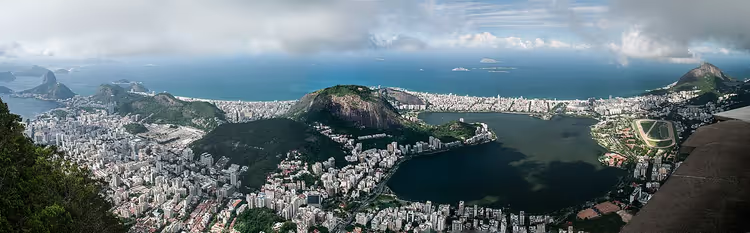 © Jean-Marc Astesana from Voisins le Bretonneux, France · CC BY-SAPhoto: Jean-Marc Astesana from Voisins le Bretonneux, France, CC BY-SA (https://creativecommons.org/licenses/by-sa/2.0), Wikimedia Commons
Christ the Redeemer stands on top of Corcovado Mountain in Rio de Janeiro. It was built from 1922 to 1931: the figure is 30 meters tall, the arm span is 28 meters, and together with the pedestal the monument rises to almost 38 meters (according to Wikipedia). The viewing area below the statue offers a panorama of the city, the bay, and the beaches.
- Where: Rio de Janeiro, Brazil, Tijuca National Park.
- How to get there: by cog railway from Cosme Velho station or by taxi to the viewing platform.
- Good to know: on cloudy days the view is obscured, so check the forecast in the morning.
7. Chichen Itza
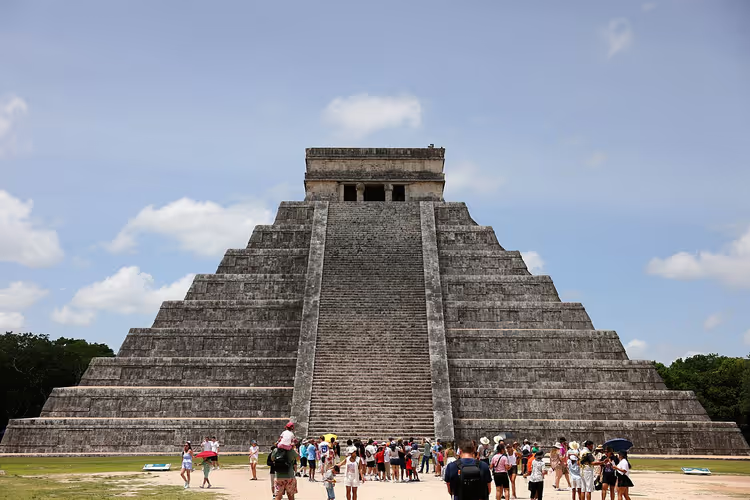 © Gage Skidmore · CC BY-SAPhoto: Gage Skidmore, CC BY-SA (https://creativecommons.org/licenses/by-sa/4.0), Wikimedia Commons
Chichen Itza was a major Maya city on the Yucatan Peninsula in Mexico. The main structure of the complex, the pyramid of El Castillo, has 365 steps, matching the number of days in a year (according to Wikipedia). Scholars date the city's peak to the 10th to 12th centuries, when tens of thousands of people lived here.
- Where: Yucatan Peninsula, nearest city Valladolid.
- What to see: the pyramid of El Castillo, the Temple of the Warriors, the El Caracol observatory, and the Sacred Cenote.
- Good to know: climbing the pyramid has been prohibited since 2006, and it gets very hot in the open sun during the day.
⁉️🤔 Frequently asked questions
How many new wonders of the world are there in total?
Seven. The final list includes the Great Wall of China, Petra, Chichen Itza, Christ the Redeemer, the Colosseum, Machu Picchu, and the Taj Mahal. There is no official ranking among them, all sites are equal, and the names were announced in random order on July 7, 2007.
Which wonders of the world have survived from antiquity?
Of the seven ancient wonders, only the pyramids at Giza have survived to this day. We know about the others only from descriptions by ancient authors. The pyramids received honorary status in the 2007 project, but were not included in the new list, to give a chance to other monuments from around the world.
Where are the seven new wonders of the world located?
Three sites are in Asia: the Great Wall of China in China, Petra in Jordan, and the Taj Mahal in India. Two are in South America: Machu Picchu in Peru and Christ the Redeemer in Brazil. Two more are in Europe and North America: the Colosseum in Italy and Chichen Itza in Mexico.
Do I need to buy tickets in advance?
Yes, for the most popular sites. The Colosseum and Machu Picchu admit visitors by time slots, and the number of people per day is limited. In summer, convenient morning slots sell out several days before the date, so buy tickets online in advance, from home.
Which wonder should I visit first?
It all depends on your route and the time of year. For a short trip around Europe, the easiest place to start is the Colosseum in Rome. If you are planning the East, combine Petra in Jordan and the Taj Mahal in India. For a longer journey, choose Machu Picchu or the Great Wall of China.
In short: what to book
The order in the list does not define a route, so choose a site based on season and logistics. Book tickets with fixed entry times before your trip, otherwise only inconvenient time slots will be left.
- If you have a short trip to Europe: get the Colosseum and the Roman Forum on one ticket.
- If Asia interests you: combine Petra, the Taj Mahal, and the Great Wall of China.
- If you want mountains and nature: choose Machu Picchu or Corcovado.
- If you are going to Mexico: add Chichen Itza and the cenotes of the Yucatan.
Get tickets in advance and allow at least half a day for each site: that way you can see everything without rushing and have time to rest.

A small editorial team writing guides for independent travel. We travel ourselves, but we haven’t been everywhere, so we check prices, opening hours and how to get there against official sources.